
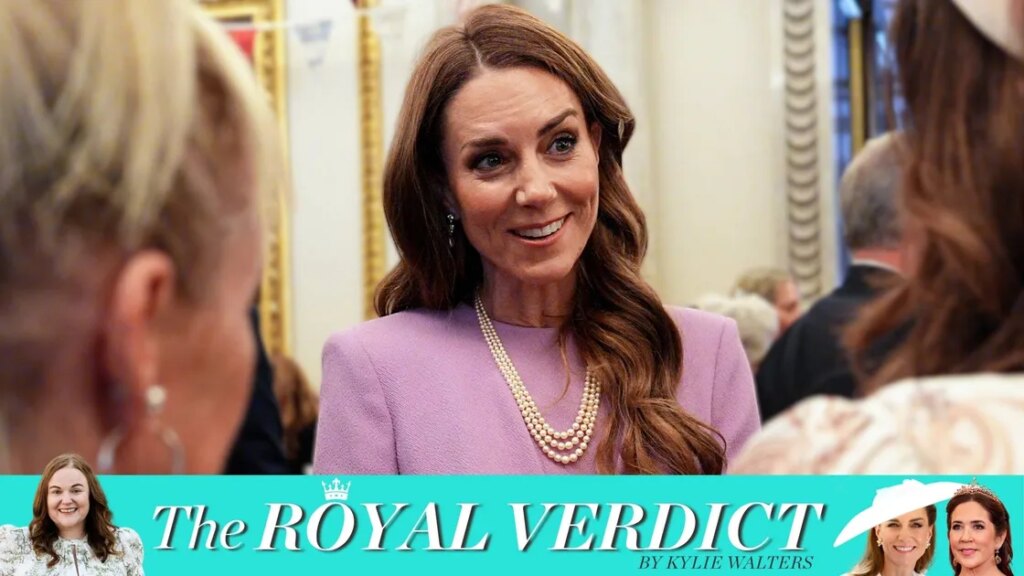
Dressed in a lilac Emilia Wickstead dress and the three‑strand pearl necklace she inherited from Queen Elizabeth II, the Princess of Wales stepped out at Buckingham Palace on April 21 looking every inch the monarch whose 100th birthday she was there to honour.
The image was unmistakable. With her colour choice and jewels, Princess Catherine evoked the late Queen with a clarity that felt both intentional and deeply symbolic.
It is no surprise that the former Kate Middleton would lean into such imagery.
The 2022 death of the Windsor matriarch left an indelible mark on the royal family and the monarchy has been navigating unfamiliar territory since.
Why does the royal family need a MVP?
For seventy years, Elizabeth II was the institution’s one constant and her presence shaped public expectations of what royalty should represent, how it should look and how it should behave.
As former British Prime Minister Tony Blair told the BBC, “She was not ‘a’ Queen but ‘the’ Queen and I don’t think we’ll see her likes again.”
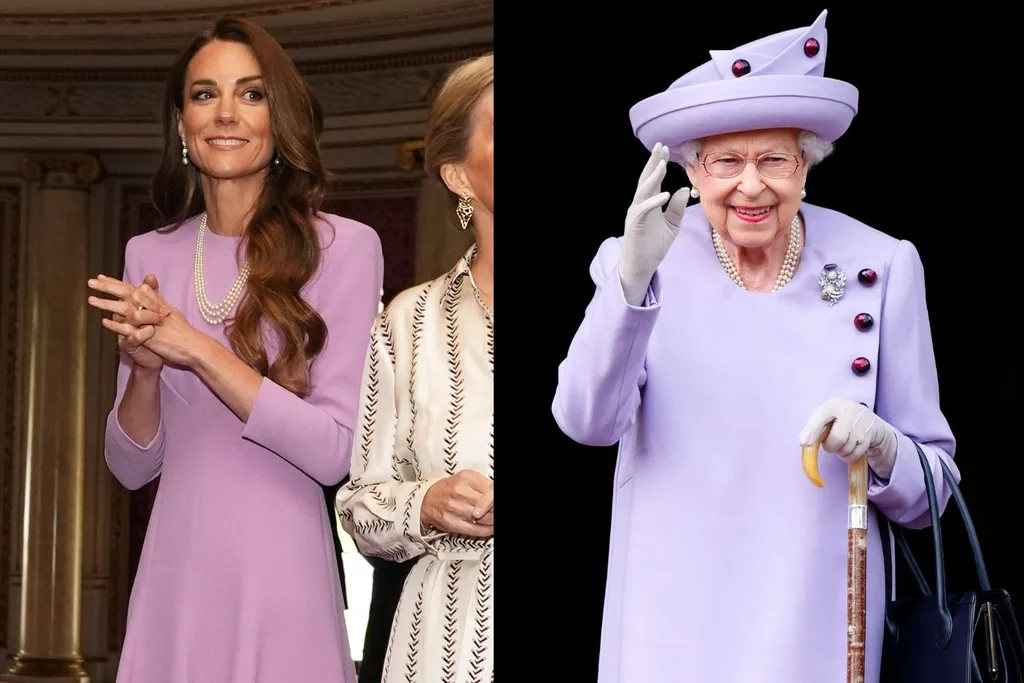 Kate is helping to steady the monarchy following the death of Queen Elizabeth. (Credit: Getty)
However, it is Kate who is now increasingly called up to fill that void. And in 2026, the monarchy’s most valuable player is, without doubt, the Princess of Wales.
The need for such a figure has never been more pressing.
With a shrinking roster of working royals, a series of health crises, and the reputational fallout from years of scandal and internal division, the monarchy is operating with less margin for error than at any point in recent memory.
In this environment, the institution requires a steady and uncontroversial presence — someone who can project stability while the rest of the Firm recalibrates.
“Kate is very popular, a good mother and she looks great doing the job,” royal biographer Robert Jobson tells me.
“But, behind the scenes, I think she is very different from how people imagine. She is a lot more involved. She is the one holding everything from the family to the work together.”
Power of reliability and relatability
Kate’s ascent to this position has not been a dramatic rise. It has been measured, deliberate and rooted in a clear understanding of what the monarchy needs to survive the post‑Elizabethan transition.
In a royal landscape that has seen more than its fair share of disruption, reliability has become one of the monarchy’s most valuable currencies.
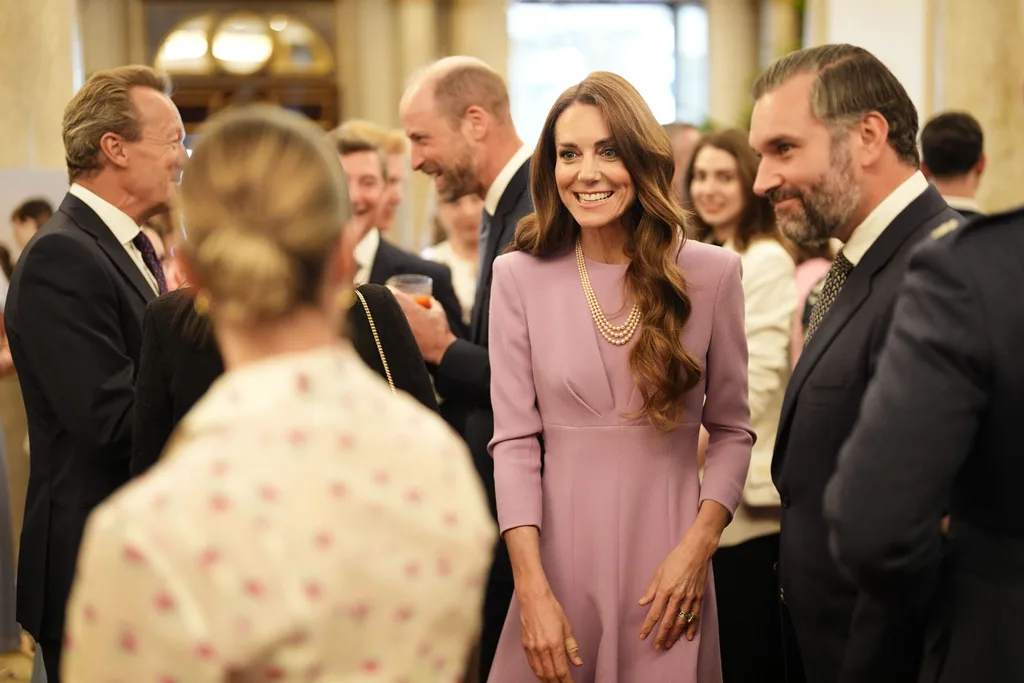 Kate is proving to be a popular and reliable member of the royal family. (Credit: Getty)
Following her time off for cancer treatment in 2024, Catherine offers this in abundance.
There are no surprises with her or off‑message moments. She shows up, follows the brief and leaves the monarchy in better shape with her calm and consistent presence.
While her life has been spent living in gilded palaces for almost 15 years now, she also offers the royal family a valuable asset that money can never buy.
She is one of its few members who has “lived in the real world”, giving her relatability that those born into The Firm can never truly possess.
“Whatever way you look at it, William comes from an incredibly privileged background,” Jobson tells me.
“But Kate grew up in a house where people had to pay the mortgage each month. She used to ride the bus to work in London. She is a modern queen for the 21st century, not one stuck back in the 1800s.”
Showing up when it matters
The royal family has faced significant challenges in recent years, navigating health and family feuds under the relentless scrutiny of a digital world.
In this environment, every appearance carries weight and the princess has responded by refining her public role with precision.
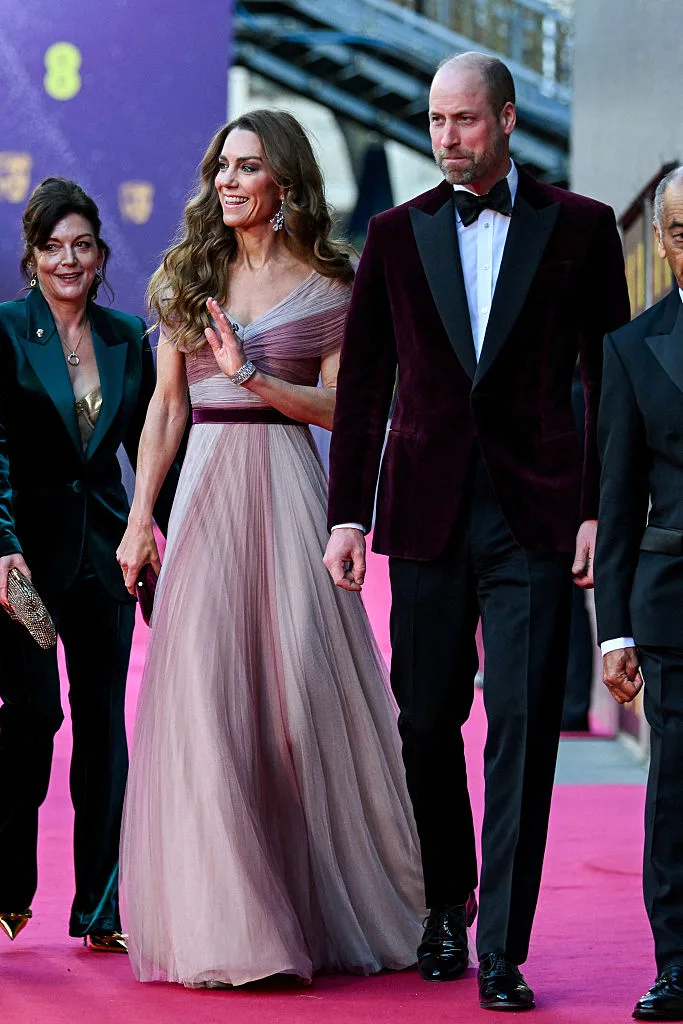 Kate stepped out at the BAFTA’s during a time of crisis for the royal family. (Credit: Getty)
Her communication style is central to this. Kate does not give explosive interviews or correct the record, unnecessarily breathing more life into a story when speculation spirals.
She is also the one the palace turns to in moments of intense pressure.
When headlines were dominated by the fallout surrounding the February arrest of Andrew Mountbatten-Windsor, it was Catherine who attended the BAFTAs and shifted the conversation back to the work of the royal family.
At a time when the public is fatigued by drama — royal or otherwise — her quiet consistency only adds to her appeal.
A carefully curated public image
Catherine’s public image is not accidental but the result of years of refinement.
In an era where visibility is often equated with relevance, she has taken the opposite approach. She appears when it matters and says little, giving her gravitas when she does.
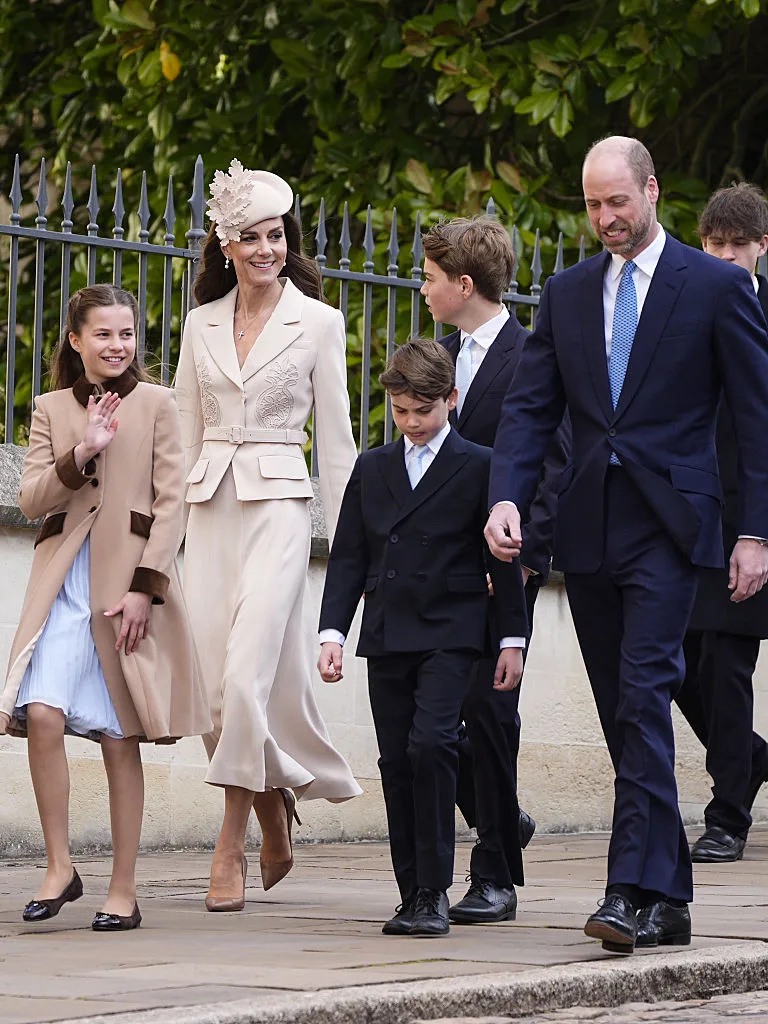 Kate’s outfit as she arrived at the Easter Sunday church service with her family was full of symbolism. (Credit: getty)
Fashion has also become one of her most effective tools.
Whether rewearing familiar pieces or selecting designers with subtle symbolic resonance, her wardrobe has become a language of its own.
It communicates continuity, respect and an awareness of the moment she is stepping into.
Emotional intelligence as a strategy
If Catherine’s rise to MVP status feels inevitable now, it is worth remembering how gradual it has been.
In the early years following her 2011 marriage to Prince William, she was often criticised for being workshy and not carrying out enough engagements.
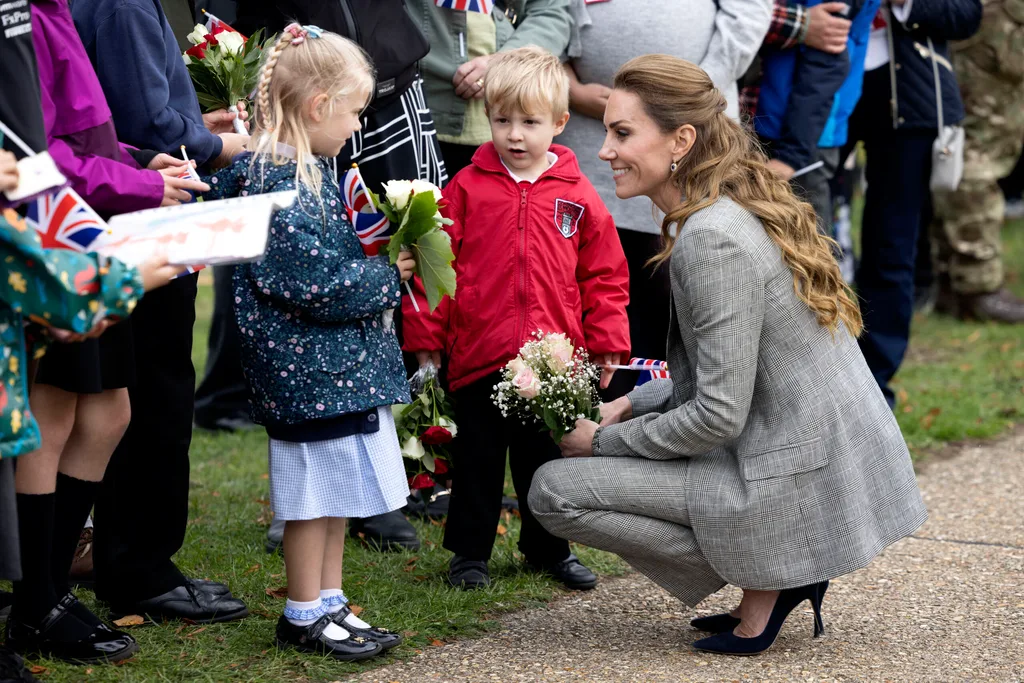 Kate gets down to a child’s level when meeting kids, showing her use of emotional intelligence. (Credit: Getty)
In hindsight, we see she was listening, learning and engaging to discover what was important to her and how she could help.
She has not sought to dominate the narrative, but has played a long game, allowing public perception to evolve organically. That patience has paid off.
What truly sets Catherine apart is her emotional intelligence. In an era of public disclosure, she understands the tone required of the modern monarchy.
At engagements, she is known for letting others lead the conversation, often lowering herself to a child’s eye level or drawing focus back onto those she is meeting rather than herself.
She delivers warmth, but it is measured; she connects without oversharing.
This balance is not easy to achieve and requires a deep understanding of both the institution and the public mood.
In essence, Kate has become far more than an influencer; she is influential in the areas that matter most to her.
A moderniser with purpose
Beyond symbolism, Kate has become the royal family’s most effective moderniser. Her work on early childhood development has given the monarchy a clear, contemporary purpose.
It is a long‑term project that aligns with her strengths, is research‑driven, collaborative and focused on tangible social impact.
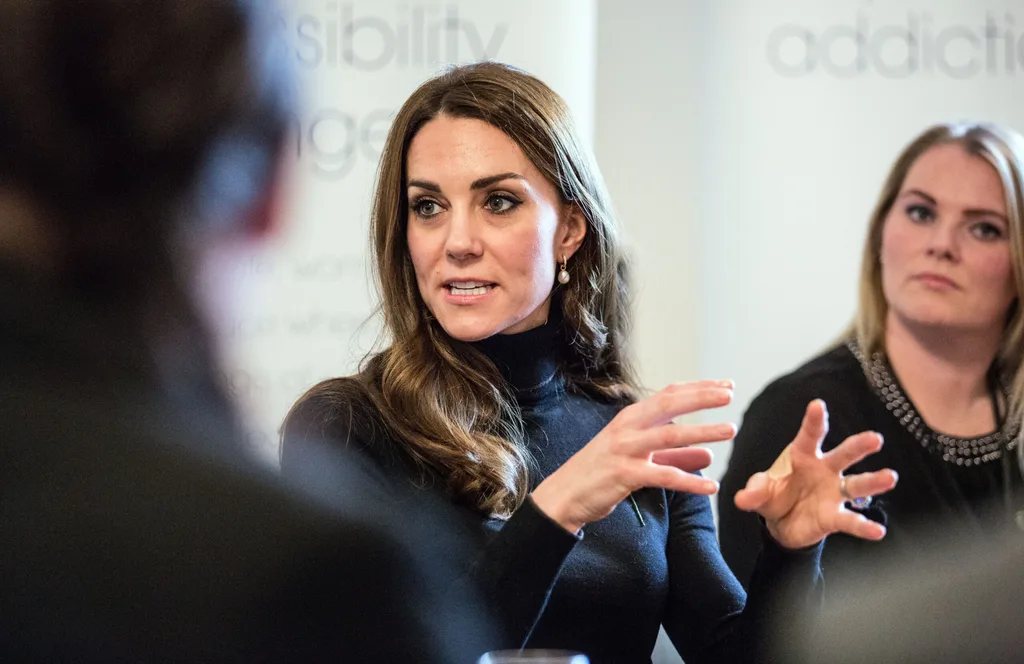 When Kate speaks about issues effecting early childhood, people listen. (Credit: Getty)
It also positions her as a future queen who understands that the monarchy must contribute meaningfully to public life, not simply observe it and cut the occasional ribbon.
“William and Catherine are united in wanting to make a change for good,” Russell Myers, author of William & Catherine: The Intimate Inside Story, tells me.
“They know the institution needs to evolve to survive and I think they are great custodians for a modern monarchy.”
The royal family’s safest pair of hands
Looking back, Kate’s evolution has been gradual but unmistakable.
The early Duchess of Cambridge, with her glossy blow‑dries and trend‑driven dresses, has given way to a Princess of Wales who dresses with intention and carries herself with the quiet authority of someone who understands the weight of her role.
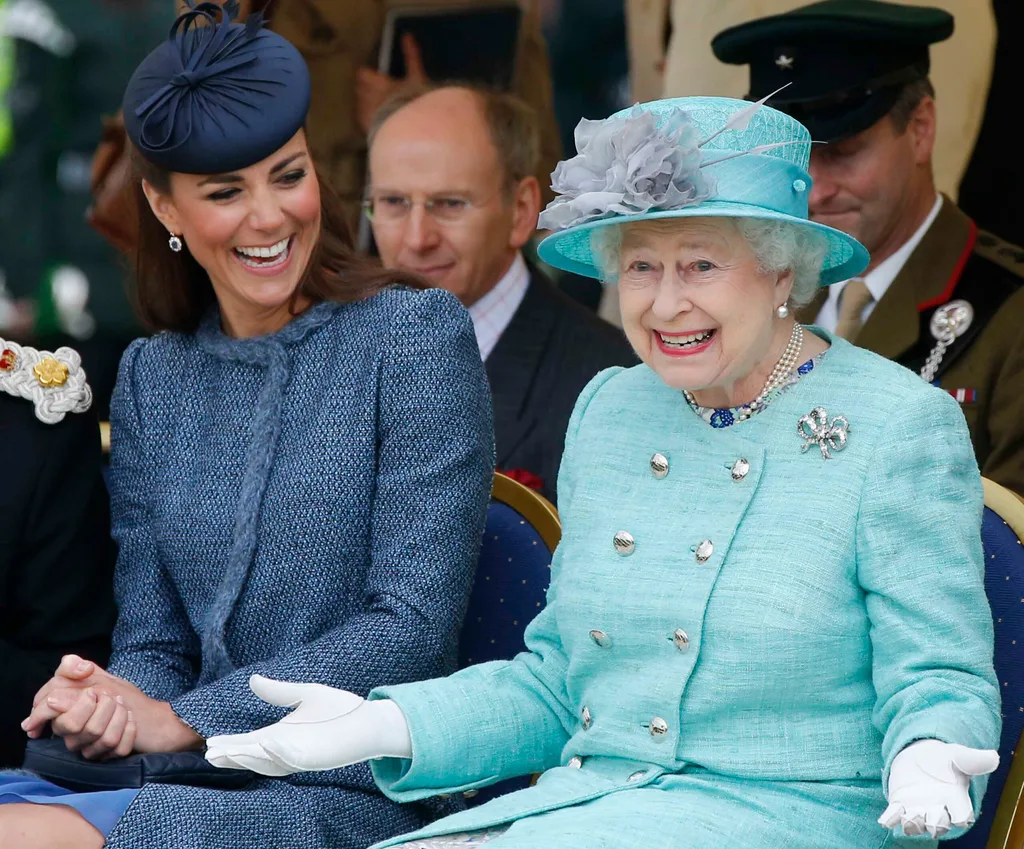 Kate and Queen Elizabeth shared a close relationship and now the Princess of Wales is filling the void left by her death. (Credit: Getty)
She has grown into the space once occupied by Queen Elizabeth II without imitating her. Instead, she has created a version of modern monarchy that feels distinctly her own.
In the end, being the royal family’s MVP wasn’t about charisma or spectacle. It was about trust.
Catherine has become the figure the institution can rely on to represent its values with clarity and calm.
The post‑Elizabethan era was always going to require adjustment. What it has also revealed is the strength of a figure who was, for a long time, underestimated.
Catherine has undeniably come into her own. And in the years ahead, her steadiness may prove to be the monarchy’s most valuable asset yet.
Read more expert opinion and analysis in WHO’s The Royal Verdict with Kylie Walters here.
Related

Kylie Walters
Kylie Walters is WHO’s Senior News and Features Writer and resident royal expert. After a decade in recruiting, she fulfilled her teenage dream of joining Girlfriend as editorial coordinator and she’s never looked back. Following roles across that’s life!, Take 5 and Daily Mail Australia, Kylie joined WHO in 2020, where she now writes The Royal Verdict, Australia’s only weekly column dedicated to modern monarchy. A specialist in royal reporting, Kylie has covered some of the most significant royal moments of the past decade, including the first Australian tours of King Charles and Queen Camilla, and of King Frederik and Queen Mary in their new roles.
Her career highlight remains reporting from London for WHO during King Charles III’s coronation, where she attended the official Coronation Garden Party at Buckingham Palace and was presented to the Duchess of Edinburgh.
When she’s not writing, you’ll find her watching Bridgerton or enjoying high tea.
Sign up for our newsletter
Sign up for the latest news from Who including offers and discounts we choose to share with you
Disclaimer: By joining, you agree to our Privacy Policy & Terms of Use
About your privacy Are Media Pty Limited collects your personal information through this site to process registrations, send out newsletters, communicate offers, discounts, competitions, or surveys, and to provide you with targeted advertising based on your online activities. Our Privacy Policy contains information on how you can access or correct your personal information, which entities we may disclose your personal information to (including overseas recipients), how to opt out of targeted advertising, and how to lodge a complaint.
Related