
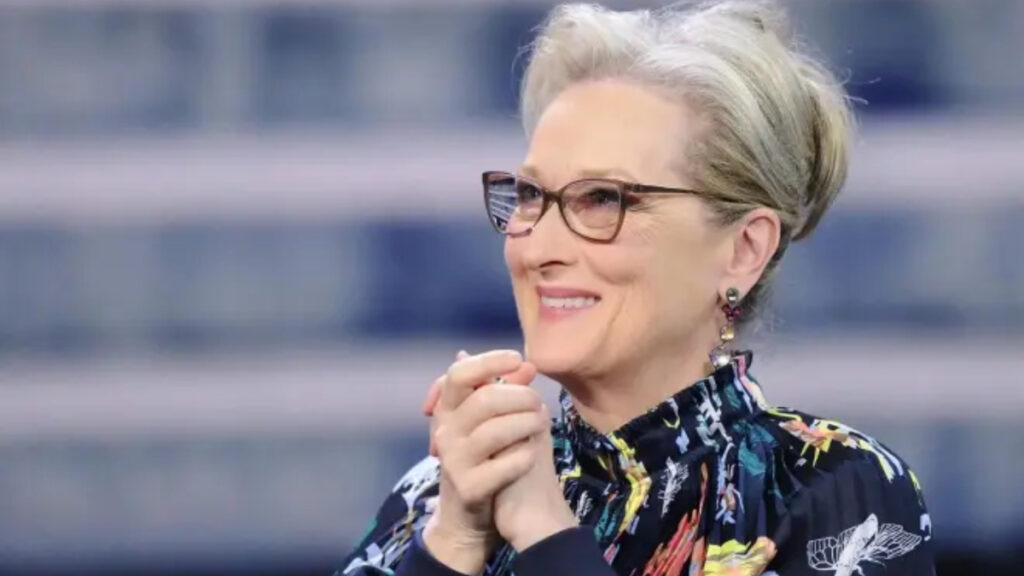
For more than half a century, Meryl Streep has been one of the most recognizable and respected figures in film, building a career that has shaped generations of actors, but behind the awards, iconic performances and global recognition lies a financial story that reflects not just success, but deliberate choices about what kind of artist she wanted to be.
With an estimated net worth of around $100 million in 2026, Streep stands among Hollywood’s most successful performers. Yet unlike many of her contemporaries, her earnings have not been driven purely by blockbuster roles or franchise deals. Instead, her career has been defined by a balance between commercial success and artistic ambition.
Meet Sylvester Stallone’s daughters, unveiling their careers and passions
That philosophy has often meant accepting smaller paychecks for projects she believes in. In a 2016 interview with NPR, Streep acknowledged the pressure that comes with her reputation.
“I think it happens more when I have to be Meryl Streep and it just seems like too big of a thing for anybody to be,” she said, adding that acting remains “another kind of transport… a playground,” highlighting how she views her work beyond financial reward.
Streep’s journey began far from Hollywood’s spotlight. After studying at Vassar College and the Yale School of Drama, she moved to New York in the mid-1970s, performing on stage before transitioning to film.
Her early breakthrough came with The Deer Hunter in 1978, a role that earned her first Academy Award nomination and opened the door to a string of critically acclaimed performances.
Within a year, she had won her first Oscar for Kramer vs. Kramer, setting the tone for a career that would eventually include three Academy Awards and a record 21 nominations.
Over the decades, she has taken on roles across virtually every genre, from historical dramas to musicals and comedies, reinforcing her reputation as one of the most versatile actors in the industry.
Financially, that versatility has translated into a wide range of earnings. Streep is known to command up to $20 million for major film roles, yet her pay has varied significantly depending on the project.
She earned around $5 million for The Devil Wears Prada after negotiating a higher offer, but accepted just $1 million for The Iron Lady, a sum she later donated to support the National Women’s History Museum.
The business behind the performances
Streep’s approach to compensation has often reflected her willingness to prioritize creative control over maximum earnings. Her experience negotiating for The Devil Wears Prada offers a rare glimpse into how she navigates the industry.
Speaking to Variety, she described turning down the studio’s initial offer, calling it “not perhaps reflective of my actual value to the project,” before securing a better deal.
At the same time, she has embraced high-paying roles when they align with her interests. Reports suggest she earned eight-figure salaries for projects like The Prom and close to $800,000 per episode for television appearances such as Big Little Lies.
These figures place her among the highest earners in the industry, even if she does not consistently top annual salary rankings.
Her most commercially successful film, Mamma Mia!, grossed nearly $610 million worldwide, demonstrating her enduring appeal to global audiences.
A legacy that goes beyond earnings
Even as the entertainment industry shifts toward streaming and new formats, Streep continues to evolve. Her recent work in television, including Only Murders in the Building, shows her ability to adapt while maintaining the same level of critical respect.
While some actors chase peak earning years, Streep’s career has been defined by longevity. Her financial success is the result of decades of consistent work rather than a handful of blockbuster paydays.
It’s a model that has allowed her to remain relevant across generations, balancing artistic credibility with commercial viability.
In an industry often driven by short-term success, Streep’s career offers a different blueprint in a commitment to the craft that has shaped both her legacy and her place in Hollywood history.