
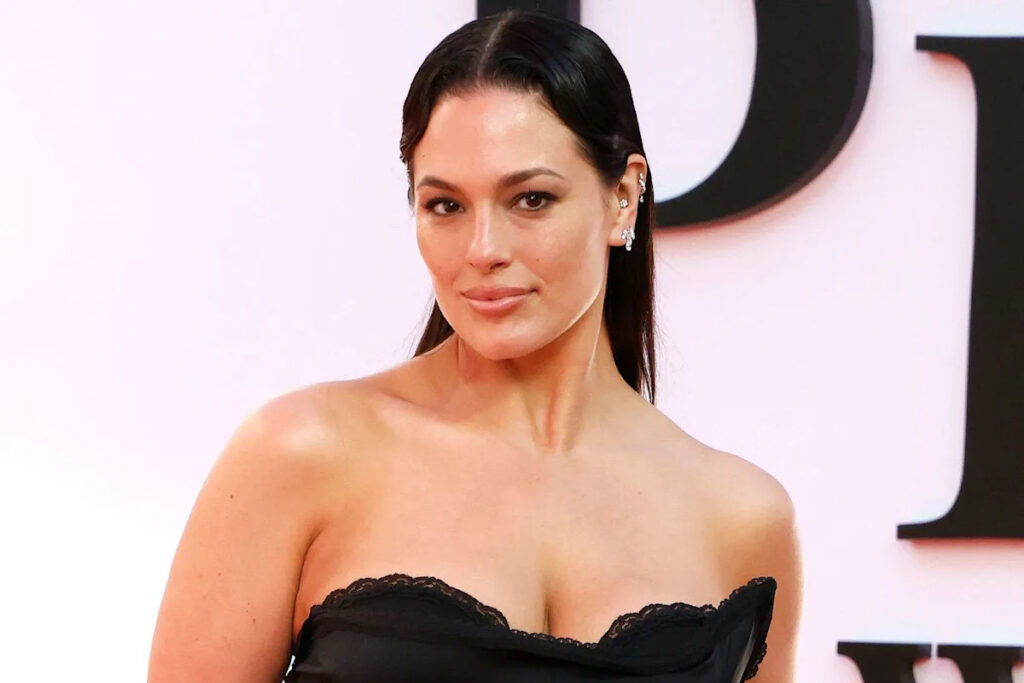
NEED TO KNOW
Ashley Graham criticized the rise of GLP-1 weight-loss drugs, calling it a “smack in the face” after the body positivity movement
Graham also compared the growing popularity of the drugs to a “pendulum” swinging back, but said she does not consider it a complete reversal of progress
“This drug isn’t going to wipe out a whole statistic of women,” she said of GLP-1s
GLP-1 medications have become popular in and out of Hollywood — a trend that Ashley Graham says is “a smack in the face” in the wake of the body positivity movement.
The supermodel and activist — who has long built her brand around body positivity — opened up about the still-burgeoning trend, which has seen countless celebrities share their experiences with weight-loss medications, in her cover story for Marie Claire’s annual Motherhood issue.
In the interview, published on Thursday, April 30, Graham, 38, addressed the popularity of weight-loss drugs and how it has re-centered thinness in the worlds of entertainment and fashion, stating, “It’s really disheartening.”
“There was a pendulum that swung that was so body acceptance, positivity, everybody be who they want to be. And now it’s going back this whole opposite way that feels like a smack in the face to the women who have felt like they’ve had a voice,” said the model and mom of three.
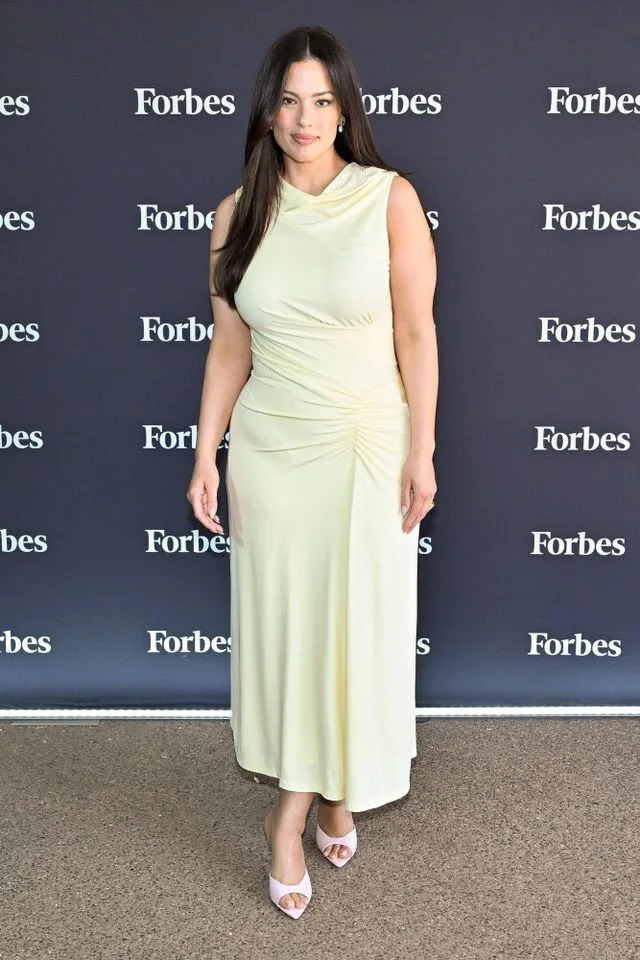
Ashley Graham in April 2026
Credit: Astrida Valigorsky/Getty
Regarding the fashion industry specifically, Graham told Marie Claire, “It goes with the times — and GLP-1s are a time… I know that there are, and there’s gonna still be, women who are considered plus-size forever.”
“This drug isn’t going to wipe out a whole statistic of women,” she added.
GLP-1 medications work to suppress appetite and have helped millions of Americans find weight-loss success by mimicking a natural hormone that helps regulate blood sugar levels and appetite, per the National Academy of Medicine. They are prescribed to help manage blood sugar in people with type 2 diabetes and to induce weight-loss by slowing stomach emptying, reducing appetite and increasing feelings of fullness.
Speaking with Marie Claire, Graham also said she does not consider the rise in GLP-1 use to be a complete reversal of the body positivity movement, noting that throughout her career, she has “seen more movement for plus-size women than some people give the whole industry credit for.”
“Why would I stop now and why would I get angry about the work I’ve done? I put my head down and I focus on the women we’ve built the community with,” said the model, who just dropped a JCPenney collection catering to plus-size customers.
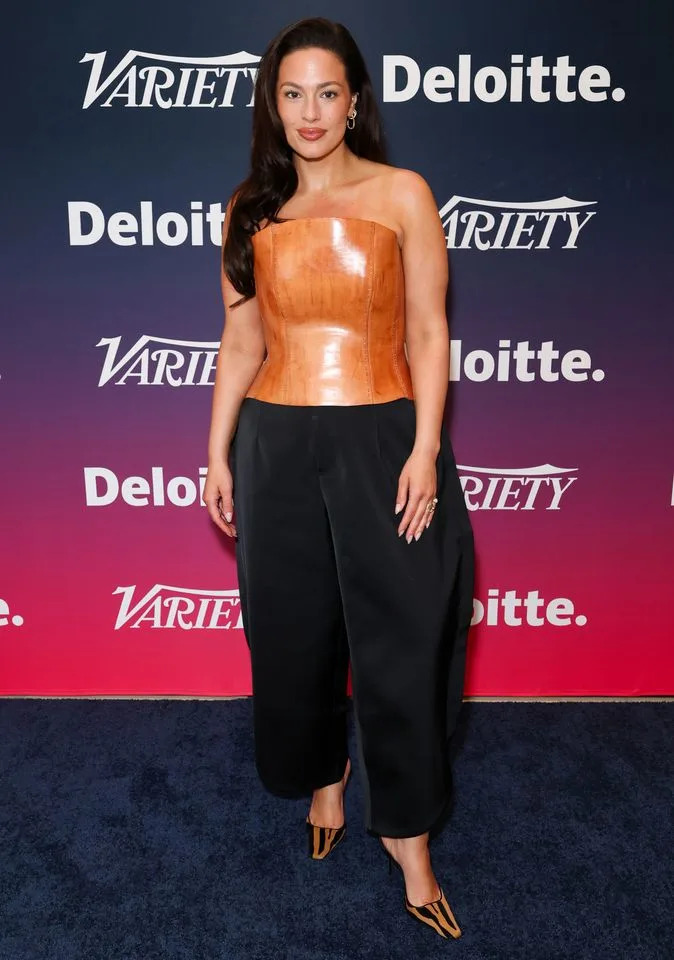
Ashley Graham in April 2026
Credit: JC Olivera/Variety via Getty
And she’s not the only one. “There’s so many [plus-size influencers and creators]… they’re all over the place with their sizes and their proportions and how they look and how they’re relatable,” Graham told Marie Claire.
“And to me, that’s the coolest part about all of this,” she continued. “Seeing that these girls, who were raised on social media at such a young age, are now coming in and they have a platform to say to the younger generation, ‘Be yourself, be who you want to be. If you have cellulite, who cares?’ “
“It’s incredibly important to continue to advocate for women of all shapes, all sizes and all backgrounds to have clothes that fit… to have people who don’t have confidence, have confidence in themselves,” Graham told the magazine, adding that her community is not “just curvy women.”
“I think it’s all kinds of women because, really, confidence at the end of the day, it doesn’t discriminate,” she added.
Never miss a story — sign up for PEOPLE’s free daily newsletter to stay up-to-date on the best of what PEOPLE has to offer, from celebrity news to compelling human interest stories.
Back when Graham launched her first collection with JCPenney in 2025, she told PEOPLE that her “goal has always been the same, from the start of my career to now — not making bodies a topic of conversation.”
“Talking about bodies and our sizes and what makes someone have a beautiful body is so tired at this point,” the model said at the time. “What I truly want for the women we designed this JCPenney collection for is to feel beautiful, sexy — all the things.”
Read the original article on People