
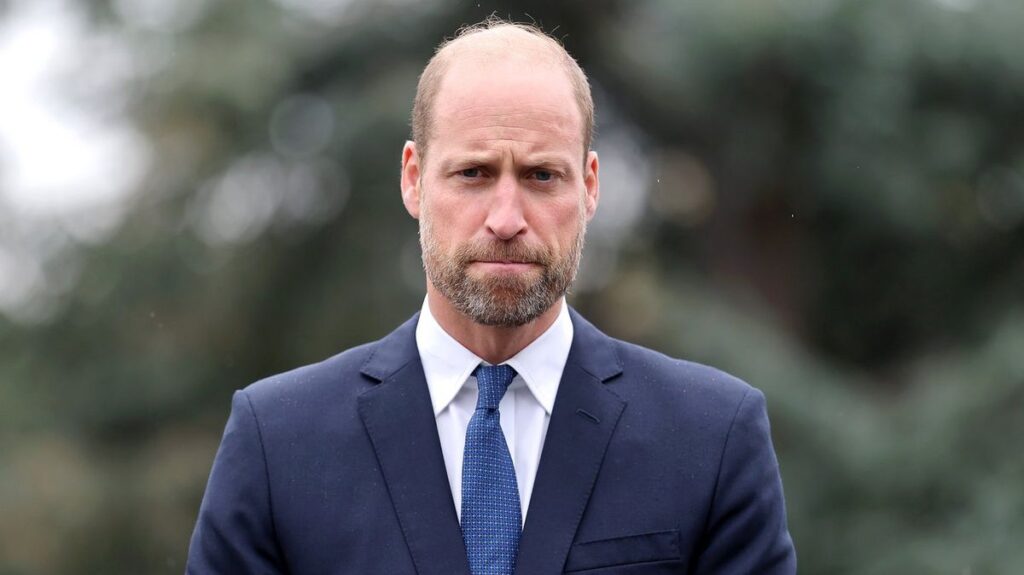
Prince William is among the UK’s top 0.002 percent of taxpayers, according to a new report unearthing exactly how much the royal is believed to be paying in income tax each year – and let’s just say it’s a few quid more than you or I might be paying…
William, who is not legally entitled to declare such information, has previously ignored pressure to share his tax bill.
Most of his income comes from the Duchy of Cornwall, a land estate worth £1.1 billion that he inherited from King Charles when he became heir apparent.
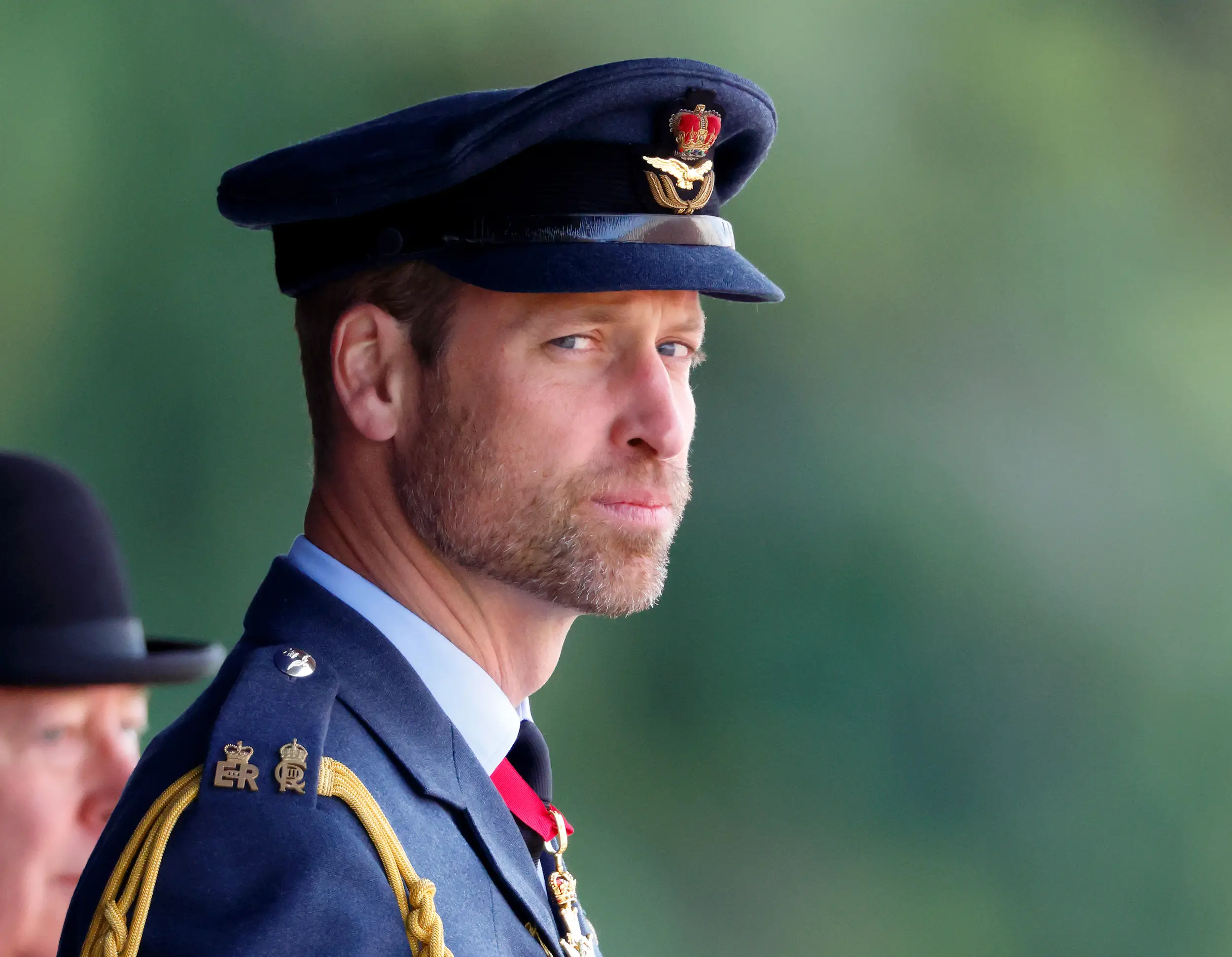 William has previously chosen not to declare his tax bill (Max Mumby/Indigo/Getty Images)
But while his own father would voluntarily publish a full, detailed breakdown of tax and household costs, William has decided against doing so, with end-of-year accounts for the Duchy of Cornwall in 2024 showing he had withheld the amount of tax paid on earnings.
At the time, royal sources claimed the amount paid was higher than that of Charles, but Kensington Palace declined to provide further detail, saying he paid an ‘appropriate’ level of income tax and that his choice not to publish further context reflected ‘what was required’.
An investigation by The Times has now revealed that William pays up to £7 million in income tax each year, noting how he has been under ‘increased pressure over transparency on tax after a Sunday Times investigation which revealed that the Duchy of Cornwall and the Duchy of Lancaster, which is awarded to the monarch, make millions by charging the army, navy, NHS and schools to use their land, rivers and seashores’.
“Some of the leases have since been renegotiated,” the outlet added.
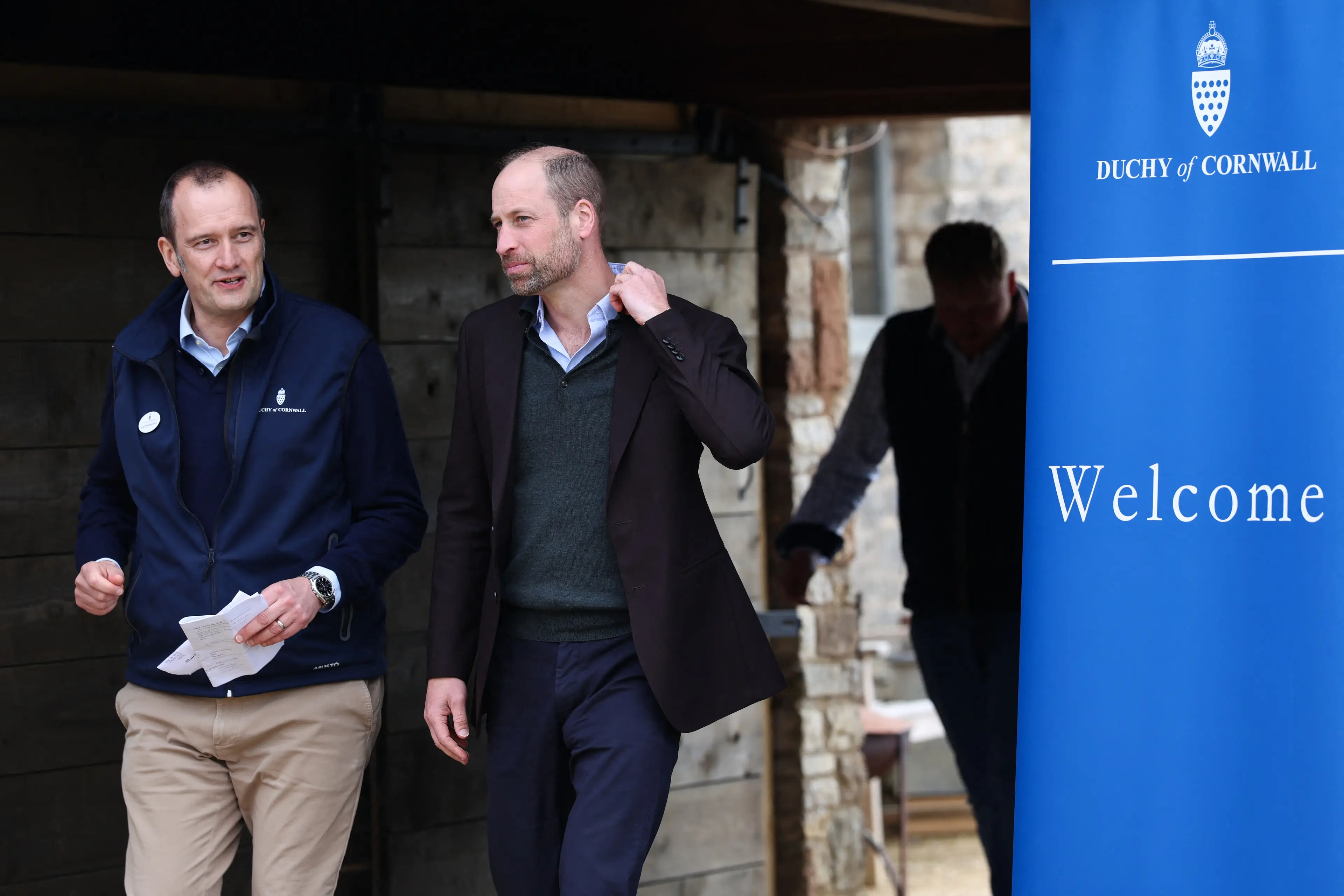 William receives the majority of his income from the Duchy of Cornwall (DARREN STAPLES/POOL/AFP via Getty Images)
The Times reports that the large bulk of William’s income comes from the £20 million+ he receives from the Duchy of Cornwall each year, which he voluntarily pays tax on.
The monarchy is not legally liable to pay income tax, capital gains tax or inheritance tax, thanks to an agreement made between Queen Elizabeth II and the Treasury back in 2013.
However, William has always chosen to pay income and capital gains tax, with The Times explaining how he is allowed to ‘deduct official expenditure from his duchy income before calculating his tax bill’.
In response to the report, a Kensington Palace spokesperson told The Times: “The Prince of Wales pays the top rate of income and capital gains tax on all his personal income, including receipts from the Duchy.’’
Tyla has reached out to Kensington Palace for further comment.