
On Friday, I went to see The Devil Wears Prada 2. I was in a screening with the post-work crowd at the beginning of a bank holiday, which meant Prosecco bottles, whooping, and the audience cackling at trite lines of dialogue during the film’s emotional climax.
There’s a lot to unpack from the movie, which reckons with the current magazine apocalypse, editorial pay-for-play, and the degradation of journalism at large. Its main preoccupation is the frustrated ambition of a media class whose dreams of a glossy career in fashion writing have shattered over years of lay-offs, down-sizing, dwindling budgets, and late invoices. For journalists like me, it’s a horror film, but in reality it’s a fluff film, so plucky millennial optimism somehow wins out over the tech oligarchy.
As a sex and relationships journalist, what interested me is the film’s subversion of the romance plot. This is a Career film, with a capital C; not a romance. Anne Hathaway’s Andy Sachs is currently child-free (she notes she has frozen her eggs) and single, feeling little compulsion to find a partner. It’s refreshing to acknowledge that a relationship is not the only way to find meaning in life. Your purpose can also be creativity, good friends, and holding onto your choice of career by your finger nails.
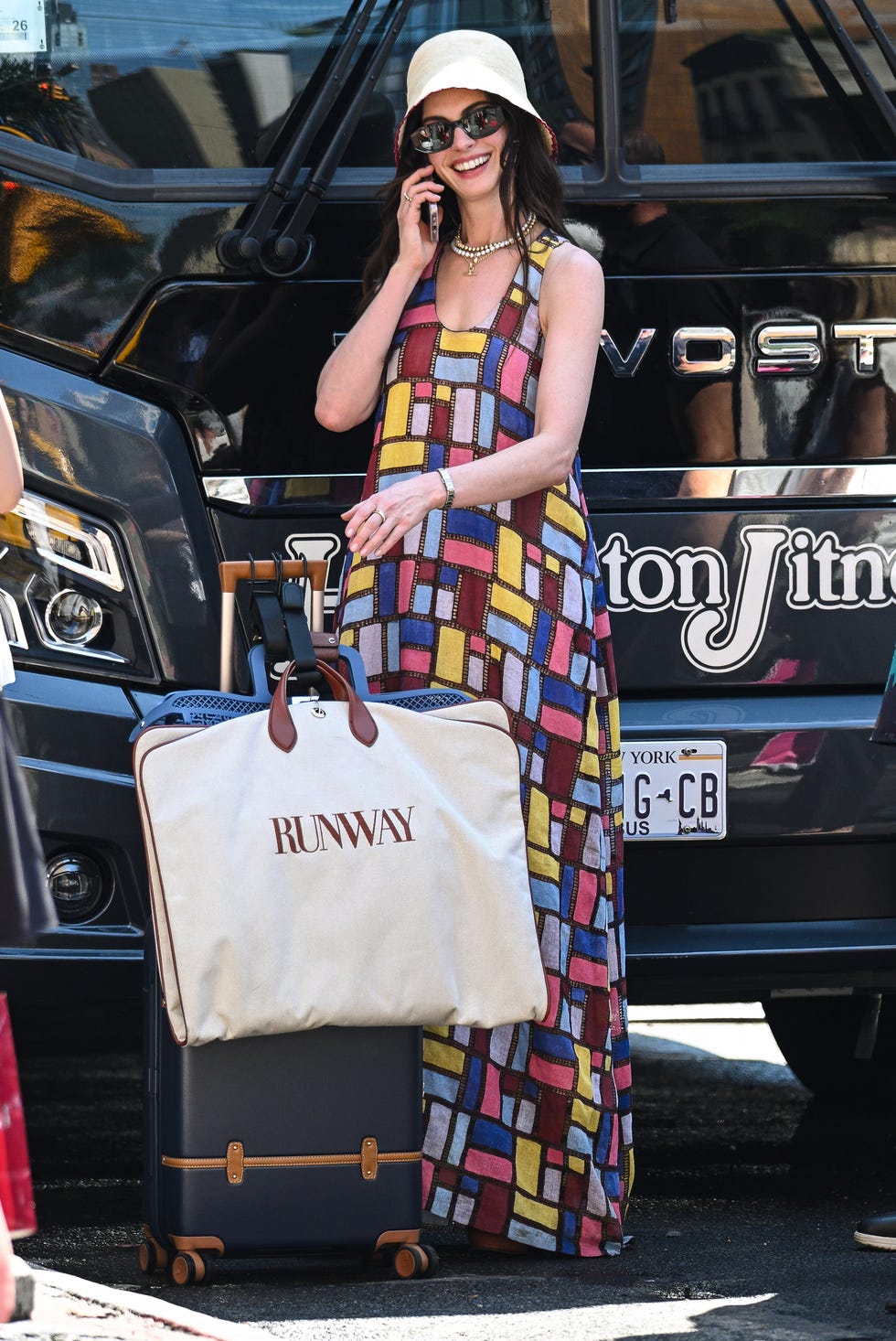

James Devaney//Getty Images
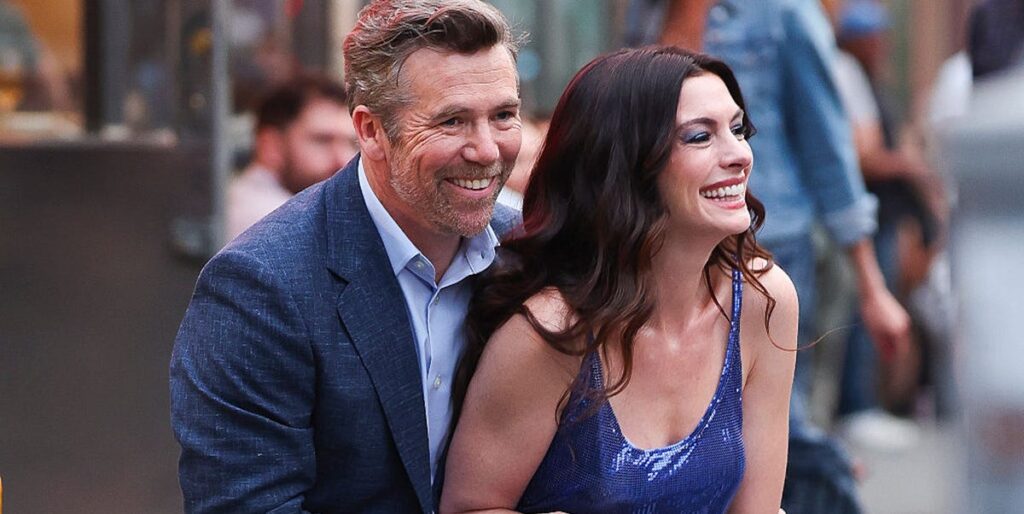
It’s worth noting, however, that Andy does have a male love interest in the film; even if you might not remember the poor guy’s name. But that’s by design: Peter, played by Patrick Brammall, is as one-dimensional as they come (no shade to Brammall, he was written that way). All we know about him is that he is a) Australian, b) works in construction, renovating (see: ruining) old buildings, c) is divorced, and d) really, really likes Andy.
To me, this is intriguing for a number of reasons. Firstly, in contemporary readings of the original 2006 film, Andy’s boyfriend Nate (played by Adrian Grenier) is considered to be a villain, threatened by her ambition and freshly-acquired designer clothes. Rather than risk a repeat, it seems like the creators of the sequel decided to swap Nate for a paper-thin man whose sole function is to remind us that employed, single men do exist.
Secondly, Revenge Wears Prada: The Devil Returns, Lauren Weisberger’s follow-up to the novel on which the franchise is based, is steeped in the wedding planning industrial complex: so much so that Andy literally winds up editing a wedding magazine. Rather than make the cinematic Andy as flimsy and romance-obsessed as her chicklit originator, the film version has relegated her love interest to mere window dressing. A win for feminism, I guess?
Everyone’s clicking on…
In many ways, the cinematic sequel to The Devil Wears Prada is about subverting the youthful optimism of its original: the characters are older, wiser, and reckoning with the fact their lives aren’t following some idealised, fairytale trajectory. With that in mind, the film depicts a number of relationships that reckon with the complex, multifaceted nature of juggling work, love, divorce, and family in 2026.
Andy’s bestie Lily (reprised by Tracie Thoms), for one, is a successful gallerist in her 40s and the single mother to young children. There’s Emily (Emily Blunt), who’s juggling her fixer-upper billionaire boyfriend (Justin Theroux) alongside a high-powered fashion job and a tetchy co-parenting situation with her ex. And, after going through a crushing divorce at the end of the first film (which is implied to be, at least partly, due to her workaholic ways) Miranda (Meryl Streep) has found love with a new, endlessly supportive husband Stuart (Kenneth Branagh), a man who must be in the top 1% for emotional maturity.
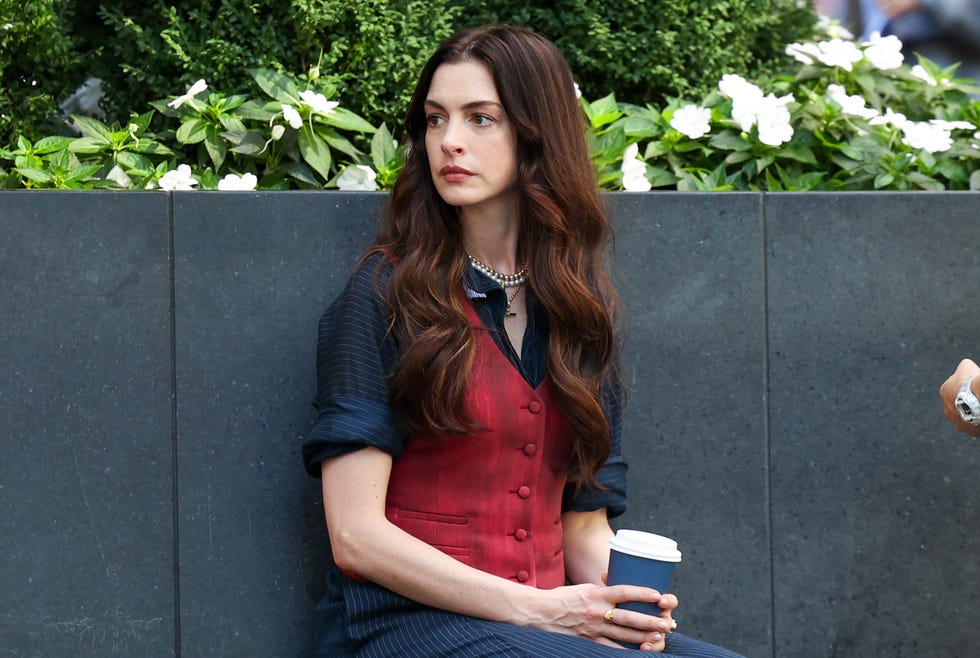
Jason Howard/Bauer-Griffin//Getty Images
With all of these different roadmaps for relationships, it’s difficult to comprehend why, exactly, Andy needed her one-dimensional boyfriend at all. What would be so wrong with a woman who isn’t looking for love? Why do we expect her to throw herself back on the dating market the second a nice man comes along?
After all, Andy’s job situation is challenging to the point of being untenable — it’s hard to imagine she would have the bandwidth to think of dating as a priority. And, beyond the complexities of Andy’s career, there’s also the small fact that being in a relationship isn’t compulsory. Why, in 2026, are we still so scared of a woman who is proudly single and child-free?
An abbreviated version of this article was originally published on PULP on Substack, a zine by Megan Wallace that unpacks the world of sexuality through musings on eros in culture and dispatches from the worlds of BDSM, fetish, and non-monogamy.
Related Stories
Megan Wallace (they/them) is Cosmopolitan UK’s Former Sex and Relationships Editor covering sexual pleasure, sex toys, LGBTQIA+ identity, dating and romance. They have covered sexuality and relationships for over five years and are the founder of the PULP zine, which publishes essays on culture and sex. In their spare time, they can be found exploring the London kink scene and planning dates on Feeld.