
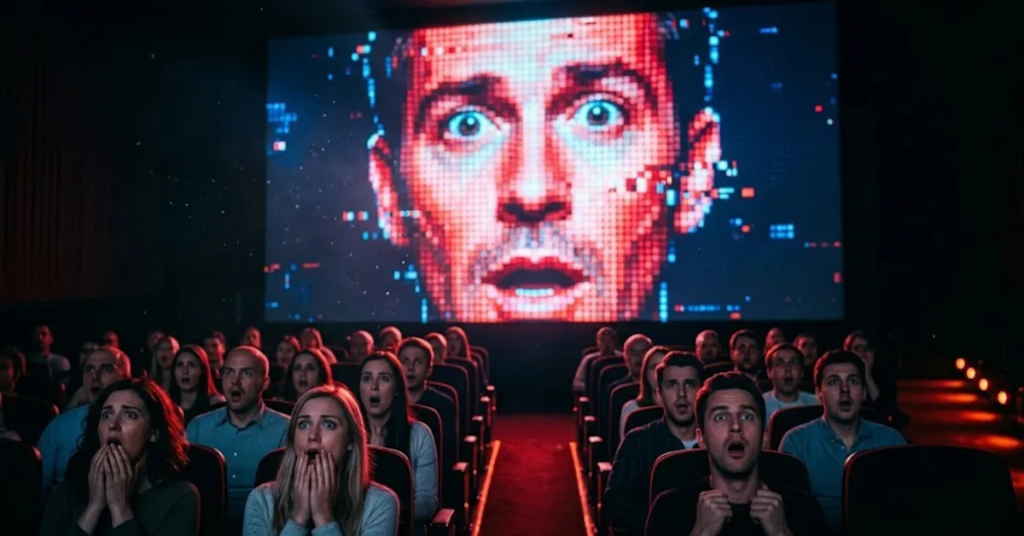
A few years ago, spotting a fake celebrity video was easy. The face looked rubbery. The mouth moved strangely. The voice sounded robotic. The whole thing felt like a cheap internet trick.
Not anymore. Today, AI-generated videos of famous actors can look polished enough to make millions of people stop scrolling, squint at their phones and ask the same uneasy question: Is this real?
Viral AI celebrity clips are spreading across TikTok, YouTube, Instagram, X and Facebook at a speed that studios, publicists and lawyers are struggling to match. Some are clearly jokes. Some are fan-made fantasy scenes. Others are convincing enough to confuse casual viewers — especially when they feature stars almost everyone recognizes.
For decades, Hollywood has carefully managed celebrity image. Studios controlled the trailers. Publicists controlled the interviews. Brands paid millions for endorsements. A star’s face and voice were valuable because they were limited. AI threatens to blow that system apart.
The Viral Clip Problem Hollywood Can’t Ignore
The panic is not just about one video. It is about what the videos prove. If artificial intelligence can make it appear that a famous actor said something, endorsed something, fought someone or appeared in a movie scene that never existed, then celebrity identity becomes dangerously easy to copy.
A fake Brad Pitt-style action clip. A fake endorsement from Taylor Swift. A fake political statement. Each one can travel farther than the correction. That is what frightens Hollywood most. The fake does not have to last forever. It only has to last long enough to get views.
By the time someone says, “This is AI,” the clip may have already been watched, shared, downloaded, reposted and stitched into other videos. The damage — or at least the confusion — has already happened.
Why People Can’t Stop Watching
AI celebrity videos are almost perfectly designed for clicks. They combine four things the internet rewards: famous faces, shock, confusion and debate. People click because they recognize the star. They keep watching because something feels slightly impossible. Then they share because they want someone else to confirm what they just saw. This creates a powerful loop.
One viewer posts, “Is this real?” Another says, “Obviously fake.” A third says, “AI is getting scary.” Someone else argues that it is harmless fun. The comment section becomes part of the entertainment.
That is exactly what algorithms like. The more people argue, the more platforms push the video. The more platforms push the video, the more people see it. The more people see it, the harder it becomes to separate the original from the reposts.
The Scariest Part: Video Used to Feel Like Proof
For many people, video has always carried a special kind of authority. If there was footage, it happened. That belief is fading fast. AI does not just create fake images. It can create fake motion, fake expressions, fake voices and fake emotional performances. A person can appear to smile, cry, yell, flirt, confess or apologize without ever doing any of it. That changes how people consume celebrity news.
The old question was, “Did you see the video?”
The new question is, “Where did the video come from?”
Why Studios Are So Worried
Hollywood is built on the value of faces. If those faces can be copied without permission, the business model gets messy fast.
If AI can generate a convincing version of a performer, could companies someday use digital replicas instead of hiring the person? Could old performances be remixed into new scenes? Could younger versions of actors be created forever? Could background performers be replaced by synthetic crowds?
Those questions helped make AI one of the biggest issues in recent entertainment labor negotiations. Actors have pushed for consent, compensation and control over digital replicas because the stakes are personal.
The Legal Fight Is Only Getting Started
The law is struggling to keep up. When someone makes a fake celebrity video, several questions collide at once.
Was copyrighted footage used? Was the actor’s likeness copied? Did the video imply a false endorsement? Did it damage the person’s reputation? Was it parody, fan art, misinformation or commercial exploitation?
The answer may depend on the video, the platform, the state, the country and how the clip was used. That uncertainty creates a legal gray area where AI creators can move quickly and celebrities are forced to react after the fact.
Some stars and representatives are exploring stronger protections around names, voices and likenesses. Platforms are also expanding detection tools and takedown systems. But the technology keeps improving, and bad actors can simply repost, edit or slightly alter content to avoid detection.
Regular People Could Be Next
The celebrity version of this problem gets attention because the faces are famous. But the same technology can target ordinary people.
A fake video of a celebrity might spark headlines. A fake video of a teenager, teacher, small-business owner, local official or employee could destroy a life before the truth comes out.
That is why deepfake panic is moving from entertainment gossip into everyday concern. If a famous actor with lawyers, agents and publicists struggles to remove fake content, what chance does an average person have?
That question makes the issue feel personal. It also explains why so many people are paying attention. The celebrity clips are the warning sign. The real fear is what happens when the technology becomes cheap, easy and common.
How to Spot an AI Celebrity Video
There is no perfect method, but viewers can slow down before sharing.
Check the original source. Was it posted by a celebrity, studio or verified outlet? Look for credible reporting. Search the clip title. Watch for strange lighting, inconsistent shadows, odd teeth, unnatural blinking, mismatched audio or a voice that sounds close but not quite right.
Be especially cautious when a video seems designed to trigger an instant emotional reaction. AI content spreads best when people react before they verify. The safest rule is simple: if a celebrity clip seems unbelievable, treat it as unverified until there is a trustworthy source behind it.
Hollywood’s Future May Depend on Consent
AI will not disappear from entertainment. People will use it. Some actors may even license digital versions of themselves under strict contracts.
The issue is not whether AI belongs in Hollywood. The issue is who controls it. A digital replica created with permission, payment and limits is one thing. A fake celebrity video made without consent is another.
That distinction may define the next decade of entertainment. The result will likely be messy: lawsuits, new contracts, takedown battles, warning labels, platform policies and public scandals.
But the direction is clear. Hollywood is entering an era where a star’s face is no longer just a face. It is data.
Can We Trust What We See Anymore?
That is the uncomfortable question underneath the celebrity chaos. AI deepfakes are not scary simply because they can fool people. They are scary because they make everyone suspicious of everything.
A real video can be dismissed as fake. A fake video can be defended as real. The truth gets stuck in the middle, competing against speed, emotion and algorithmic attention.
For Hollywood, that means a new kind of crisis.
For viewers, it means a new kind of responsibility.
The next time a shocking celebrity clip appears online, the most important reaction may not be to laugh, gasp or share.
It may be to pause.
Because in the age of AI, the most dangerous video on the internet is not always the one that looks fake.