
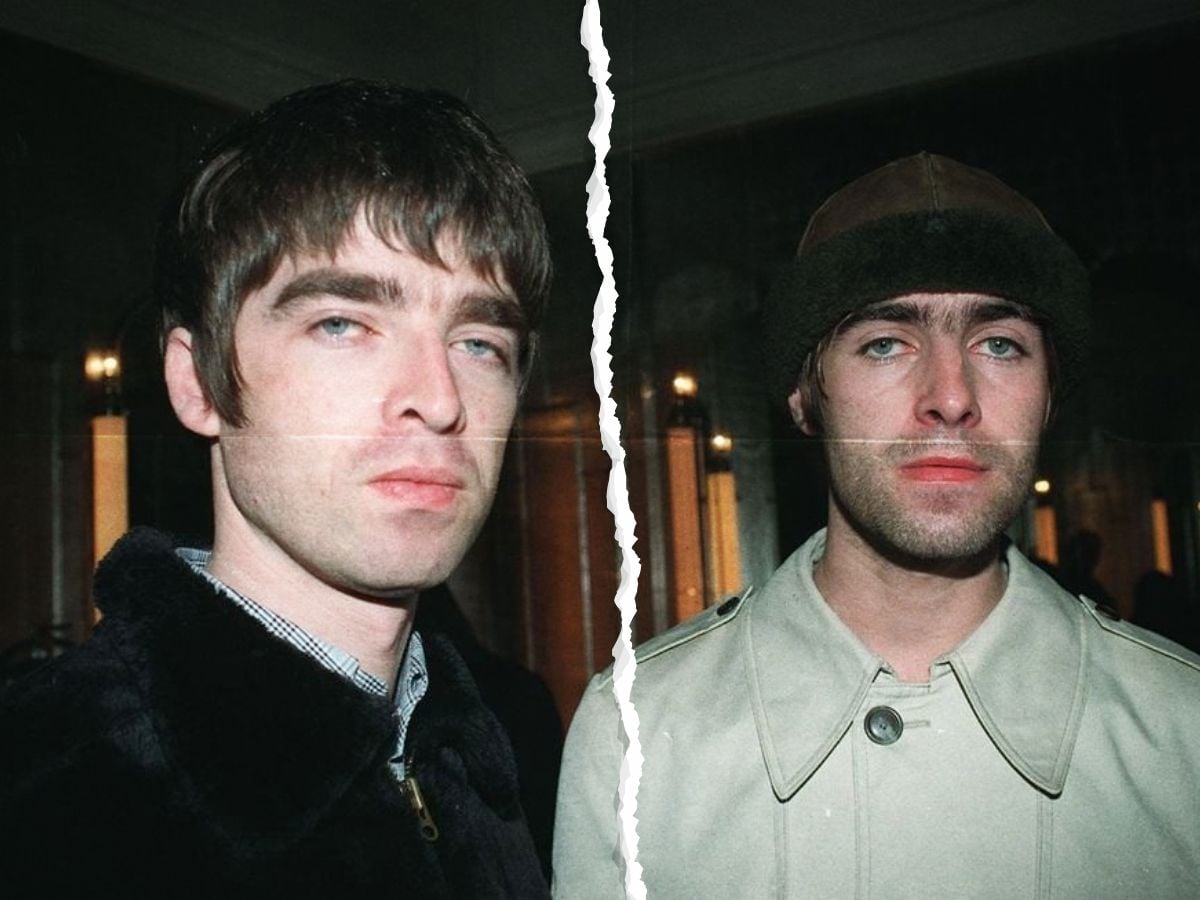
What better place to start than Oasis? The Mancunian band became Britpop behemoths when the central figures of the group, brothers Noel and Liam Gallagher, took the world by storm with their unique style, unstoppable arrogance and caustic charm. While Noel was the bona fide songwriter in the band, Liam was the mouthpiece, and together, they were a force to be reckoned with.
So potent, in fact, that when they did begin to turn on one another, as brothers will do, their explosive natures always led to a disaster. The group were constantly accused of in-fighting and physical violence, perhaps arguing as only brothers can. but it would lead to the end of the band. Eventually, the group split in 2009 following “the Paris altercation”, which saw Oasis break up for good and leave a generation of fans with no place to wear their bucket hats.
At this point, the relationship between the two brothers had deteriorated badly, and they were now travelling separately. It had become a lucrative job rather than a vocation, with Noel putting himself through personal turmoil in exchange for a more than handsome pay packet. “All that being said, we had two gigs left, and I reckon if I’d had got to the end of that tour and I’d had six months off, I would have just forgotten about it, got on with it,” Noel said to Esquire in 2015. “But the straw that broke the camel’s back was the night in Paris, and that was a fight. There’s no hidden darkness.”
The brothers continually batted away lucrative reunion deals for over a decade, with each fraternal member of the Gallagher clan taking it in turns to hint they may be interested. However, in 2024, things were finally put in motion, and Oasis reunited for what will be a globe-trotting tour. The group delivered one of the most talked-about reunion tours of all time. It remains to be seen whether it ever happens again.
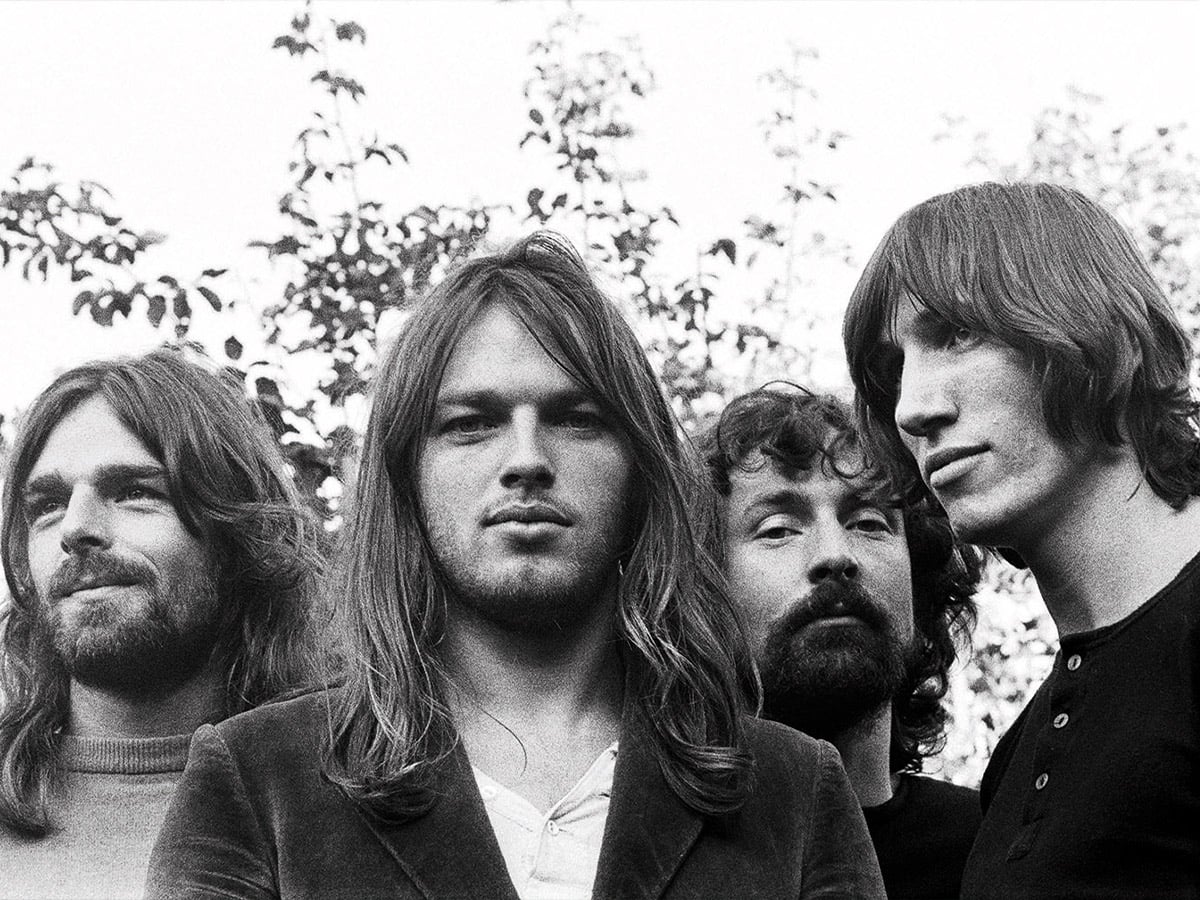
One of the most seismic bands of all time, Pink Floyd, have spent most of their years together in one feud or another. But the real rift is formed, and ever-increasing, between Roger Waters and David Gilmour, as the two men fought a war on the battlefield of ‘creative differences’.
Waters, a founding band member, has often been at loggerheads with Gilmour, who joined the group to replace their lead singer, Syd Barrett, in 1968. The group enjoyed some of the most unprecedented successes in rock music history., delivering record after record that topped charts and hailed the band as supreme overlords of prog rock. Still, as the years progressed, the two men were locked in a power struggle as their creative visions collided and, ultimately, Roger Waters left the band in 1985.
When Waters originally withdrew from the group, he immediately locked horns with Gilmour in a bitter legal battle that would last years. To announce his departure, Waters stated EMI and CBS, invoking the ‘Leaving Member’ clause in his contract, and as the main creative force in the band, he didn’t believe Pink Floyd could continue in his absence. Therefore in October 1986, Waters started High Court proceedings to formally dissolve Pink Floyd, labelling the group a “spent force creatively”.
David Gilmour and Nick Mason opposed this, stating that Pink Floyd was going nowhere and that Waters couldn’t declare it dead while the group was still trying to make music. Waters eventually came to an agreement, which saw him resign after careful legal considerations in 1987. Ever since then, the two men at each end of the Pink Floyd spectrum have continued to trade veiled insults and insinuations.
Since then, things have soured even further, with the feud taking on a more political stance in recent years. Though they briefly reunited in 2008 for the spectacular music event Live8, the chances of them ever getting back together again are about as likely as Gilmour growing his long hair back.