
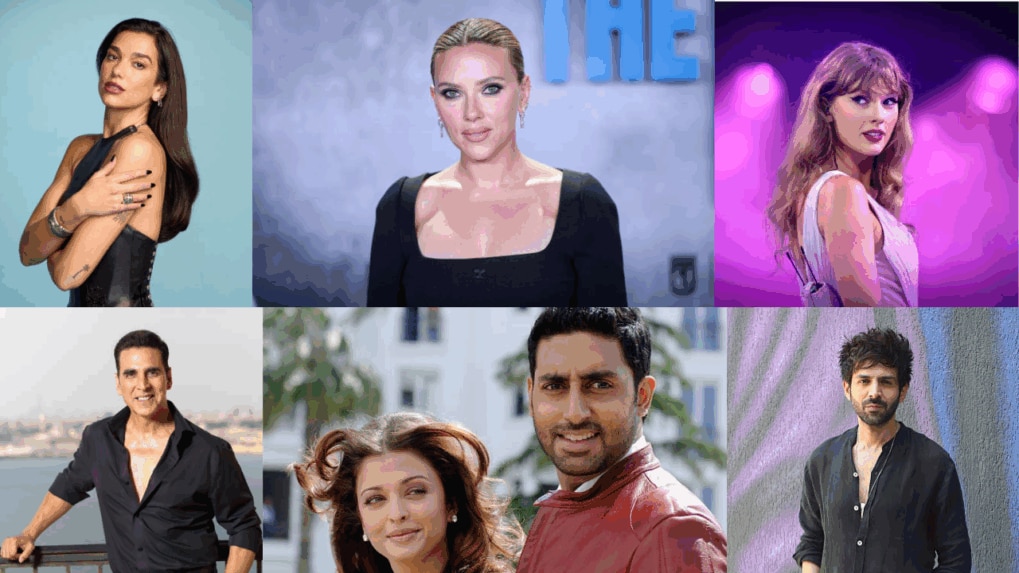
Dua Lipa’s lawsuit against Samsung over the alleged unauthorised use of her image is the latest flashpoint in a rapidly evolving legal landscape. What was once an occasional dispute over advertising rights has now become a global wave of litigation centred on one question: who owns a public identity in the digital age?
From AI-generated voices to deepfake videos and counterfeit endorsements, celebrities across industries are increasingly fighting to control how their image, voice and persona are used and monetised without consent.
From photos to pixels: the new battleground
The most significant shift in recent years has come with the rise of artificial intelligence. In 2024, actor Scarlett Johansson publicly objected to an AI voice assistant that sounded strikingly similar to her, despite her declining to collaborate. What followed was not just a dispute with a tech giant but a broader industry reckoning: can a voice — its cadence, tone and emotional inflection — be legally protected like a face?
Also read: Dua Lipa sues Samsung for $15 million over alleged unauthorised use of image on TV packaging
That question only became more urgent as AI-generated videos featuring Johansson and other celebrities began circulating online without consent, highlighting how easily identities can now be replicated and repurposed. In parallel, reported legal action tied to Taylor Swift’s likeness in AI-generated endorsements further underscored how technology is challenging the traditional boundaries of publicity rights.
Together, these cases mark a turning point where likeness is no longer limited to photographs but extends to synthetic reproductions that can mimic reality with unsettling accuracy.
India’s courtroom moment: personality rights go mainstream
Nowhere is this shift more visible than in India, where courts are witnessing an unprecedented surge in what are known as “personality rights” cases. These rights — though not codified in a single statute — allow individuals to control the commercial use of their name, image and persona, often under the broader umbrella of the constitutional right to privacy.
In 2025, actor Aishwarya Rai Bachchan approached the Delhi High Court after her images and identity were used across websites, e-commerce platforms and AI-generated content without permission. The court granted an interim injunction, directing the removal of such content and restraining further misuse, including deepfakes and impersonation through digital tools.
The issue escalated further when Aishwarya and Abhishek Bachchan filed a case against YouTube and Google over explicit AI-generated videos using their likeness. Seeking damages and a permanent ban, the petition also flagged a deeper concern: such content is often used to train AI systems, potentially multiplying its impact.
These cases are not isolated. Actor Kartik Aaryan recently secured relief from the Bombay High Court after his name and image were used in unauthorised merchandise and fake online accounts, with the court recognising the commercial and reputational harm such exploitation can cause.
Read more: Elon Musk faces backlash over ‘Instagram is for girls’ remark
Similarly, Abhishek Bachchan has moved courts to curb the sale of products and AI-generated content using his persona, with judges noting the risk of misleading consumers into believing false endorsements.
The legal push extends across the industry. Actor Akshay Kumar has approached Indian courts over AI-generated videos falsely depicting him in fabricated scenarios and endorsements — some of which went viral before being taken down.
Even beyond cinema, the issue has touched corporate legacy. In 2025, the estate of Ratan Tata secured legal protection against unauthorised use of his name and identity, with courts recognising his persona as a valuable and protectable asset.
Taken together, these cases signal a profound shift in how Indian courts are interpreting and enforcing personality rights — not just as a commercial concern, but as a matter tied to dignity, reputation and public trust.
A legal framework playing catch‑up
What emerges from this growing body of litigation is a clear pattern: the law is racing to keep pace with technology. Where earlier disputes involved straightforward image use in advertisements, today’s cases span AI deepfakes, voice cloning, social media amplification and algorithmic impersonation.
Courts in India have responded by expanding the scope of personality rights, linking them to constitutional protections and granting swift injunctive relief to prevent further harm. However, legal protection remains fragmented globally, with different jurisdictions relying on varying frameworks, from publicity rights to privacy laws, and no single standard governing digital likeness across borders.
Follow Storyboard18 on Google for the latest and breaking brand makers and industry updates, along with in-depth coverage of digital media and brand marketing. Stay informed with the latest perspectives only on Storyboard18.
First Published on May 19, 2026, 14:54:55 IST