
It feels like every major IT girl—or guy—has been busy launching a beauty line in recent years, with most endeavors straddling the skincare-meets-makeup market. But in such a saturated space, what does it take to succeed?
With rumors emerging that Harper Beckham, just 14, is working up a Gen Alpha-oriented skincare label, and Alix Earle and Olivia Jade dropping beauty brands in close succession, how will they compete? And who is already winning?
Rumors that Harper Beckham, 14, could be preparing to launch a Gen Alpha-focused skincare brand have only intensified discussion around the celebrity skincare gold rush.
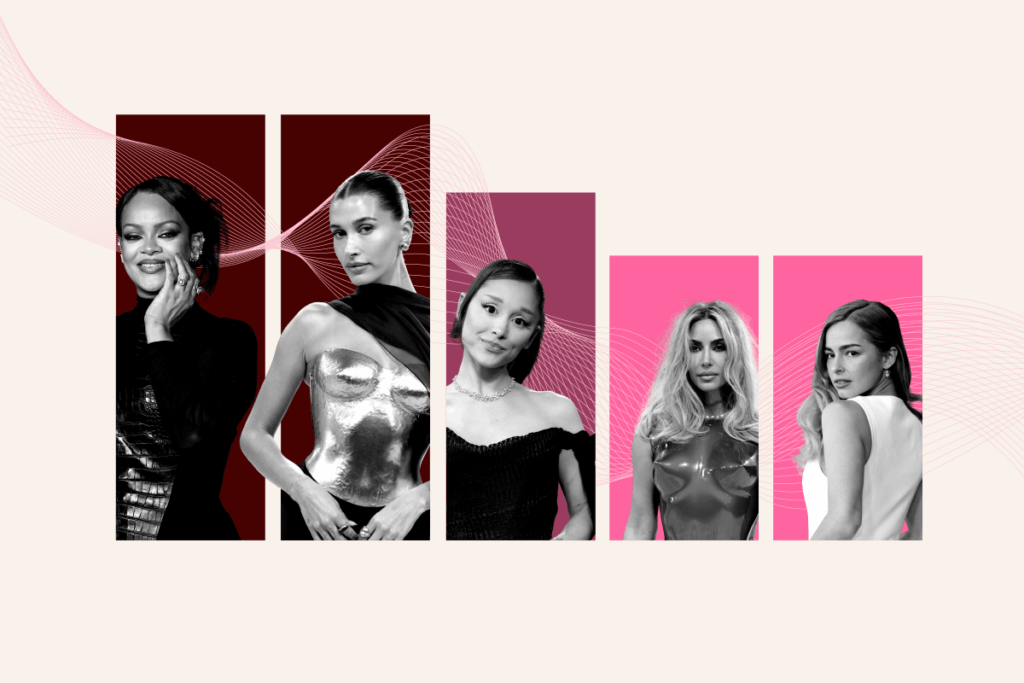
The reported line—thought to be called HIKU by Harper after a recently registered company name—would place Beckham in an already saturated market dominated by celebrity founders including Hailey Bieber, Selena Gomez, Rihanna and Ariana Grande, alongside newer entrants such as Alix Earle and Olivia Jade.
Yet recent failures show that celebrity status alone is no longer enough.
SKKN by Kim shut down last year, Kate Moss’ wellness line Cosmoss entered liquidation, and brands such as Item Beauty by Addison Rae and Selfless by Hyram disappeared from Sephora shelves after struggling to sustain momentum.
Why Everyone Wants a Skincare Brand
The celebrity beauty market has exploded because skincare and makeup are seen as a natural extension of personal branding.
“Celebrities are attracted to the idea of a beauty brand because it feels like a seamless transition,” Kelsey Hogan, founder of social media and marketing agency Claimed & Co., told Newsweek. “They think, people love me, they’ll love anything I sell.”
But Hogan said the brands that survive typically create something much larger than a product line.
“In order to win at this game, celebrities need to build what we call a ‘brand world’ around their product, where the consumer feels seen and welcome,” she said.
Experts say the modern celebrity skincare market increasingly resembles the celebrity perfume craze of the 2000s: endless launches, intense hype cycles, and only a handful of brands with long-term staying power.
The Celebrity Beauty Brands Winning BigFenty Beauty by Rihanna
When Rihanna launched Fenty in 2017 with 40 foundation shades, she rewrote the industry’s rules on inclusion.
The brand, a joint venture with LVMH, reportedly generated over $570 million in revenue within its first 15 months and is now valued in the billions. Its Fenty Skin extension, launched in 2020, cemented dominance across both categories.
Fenty Beauty has over 13.3 million Instagram followers at the time of writing.
 Rare Beauty by Selena Gomez
Rare Beauty launched with a mental health mission tied directly into its branding and has since become one of the market’s strongest celebrity beauty performers, reportedly reaching a valuation above $2 billion.
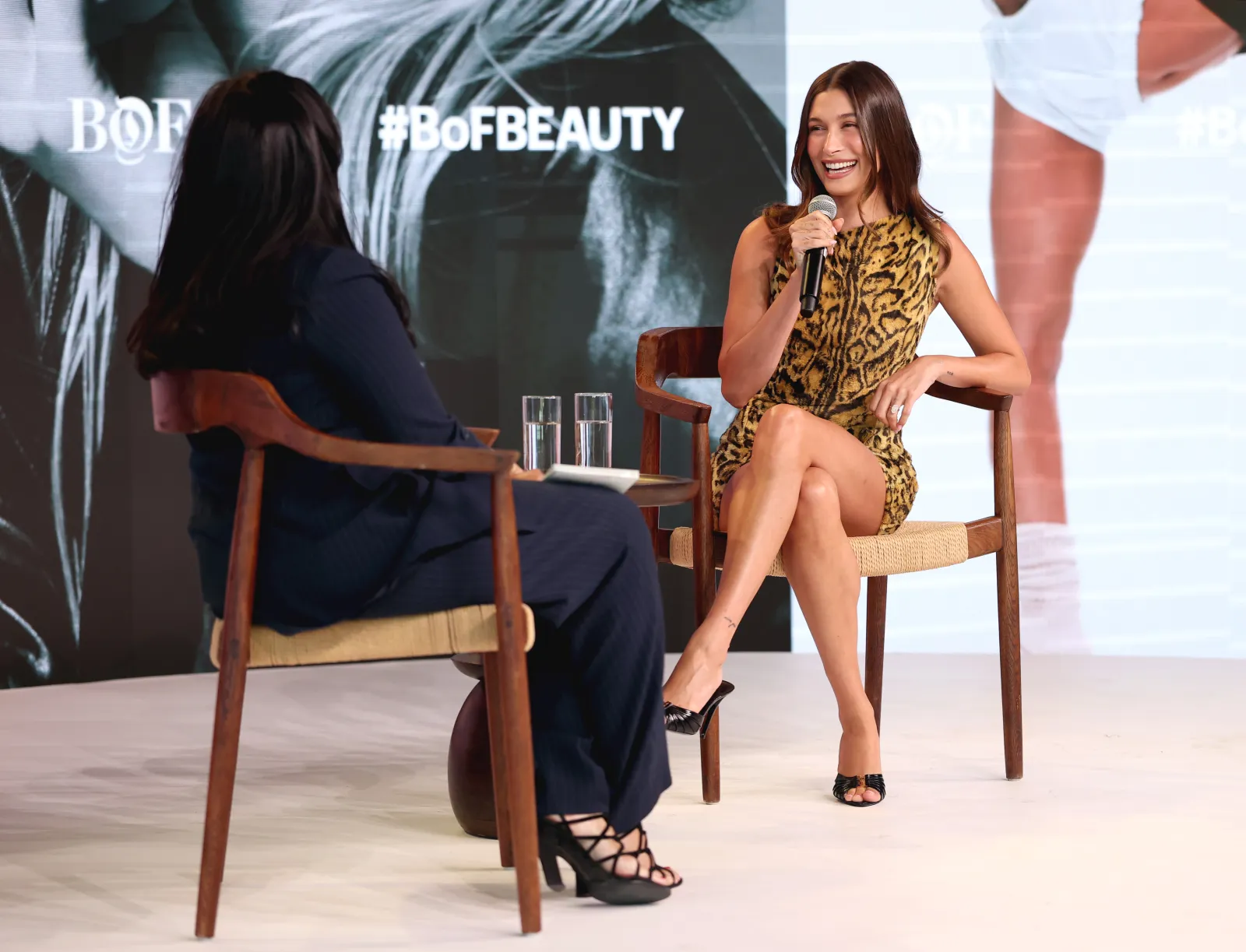
Rhode by Hailey Bieber
Hailey Bieber’s Rhode became one of the biggest beauty success stories of recent years after being acquired by e.l.f. Beauty in a deal reportedly worth up to $1 billion.
Founded in 2022, the brand leaned heavily into minimalist “clean girl” esthetics and viral products such as its Peptide Lip Treatment.
“Rhode is not just lip gloss or face wash, it’s a community,” Hogan said.
 R.E.M. Beauty by Ariana Grande
Named after one of singing sensation’s own tracks, R.E.M. Beauty, launched in 2021, has proven a steady if not seismic performer.
The brand’s playful aesthetic and Grande’s huge fanbase have helped maintain a strong retail presence at Ulta and Sephora.
It was estimated to be worth around $500 million in 2025, and has over 2.5 million followers on Instagram.
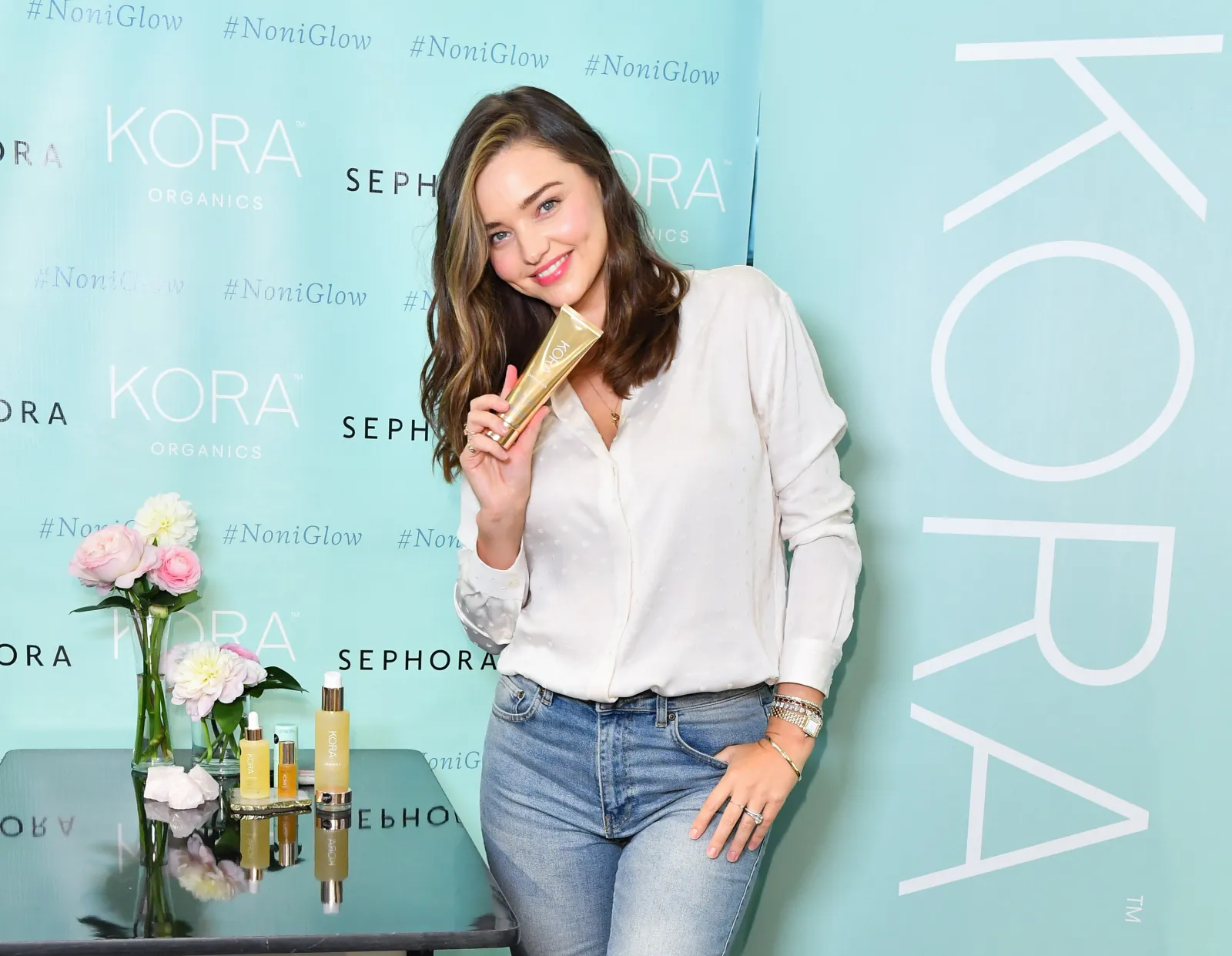
Kora Organics by Miranda Kerr
Miranda Kerr launched Kora Organics in 2009, long before celebrity skincare became mainstream.
The organic-focused brand has grown steadily through credibility and strong customer reviews rather than viral hype.
The company’s global revenue grew 400 percent between 2017 and 2022.
The brand has more than 480,000 followers on Instagram.
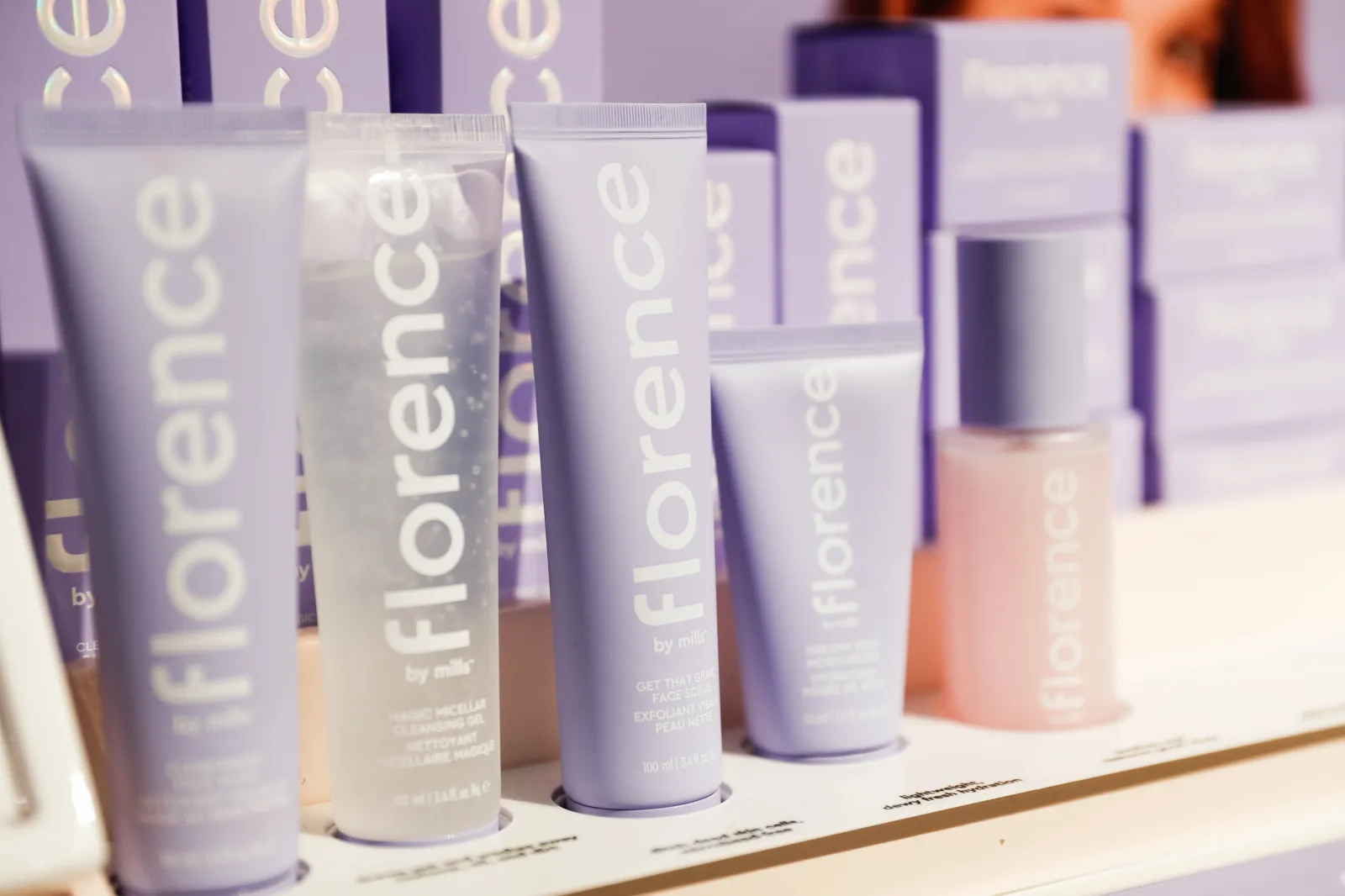
 Florence by Mills by Millie Bobby Brown
Launched in 2019 to capture the Gen Z market with clean, affordable formulas, Florence by Mills is an earnest performer rather than a luxury play.
Brown, 22, leveraged her Stranger Things platform for consistent brand awareness, and broad drugstore distribution gives the label an accessibility that more aspirational labels lack.
Growth has been solid if unspectacular, and the brand is now reportedly worth up to $15 million with over 3.7 million followers on Instagram. Though, some industry insiders worry that the label’s pastel packaging and teen-friendly visuals might not sustain appeal as Brown and her Gen Z fans grow older.
 Goop by Gwyneth Paltrow
Goop evolved from a lifestyle newsletter into a wellness and beauty empire reportedly valued at more than $250 million.
Actor Gwyneth Paltrow’s willingness to be polarizing, which includes disputed product claims, has proved a perversely effective strategy.
“When celebs get branding right and develop the brand world that focuses on the consumer, any product they launch under their name will be a hit and their base customers become the campaign with online sharing,” Hogan said.
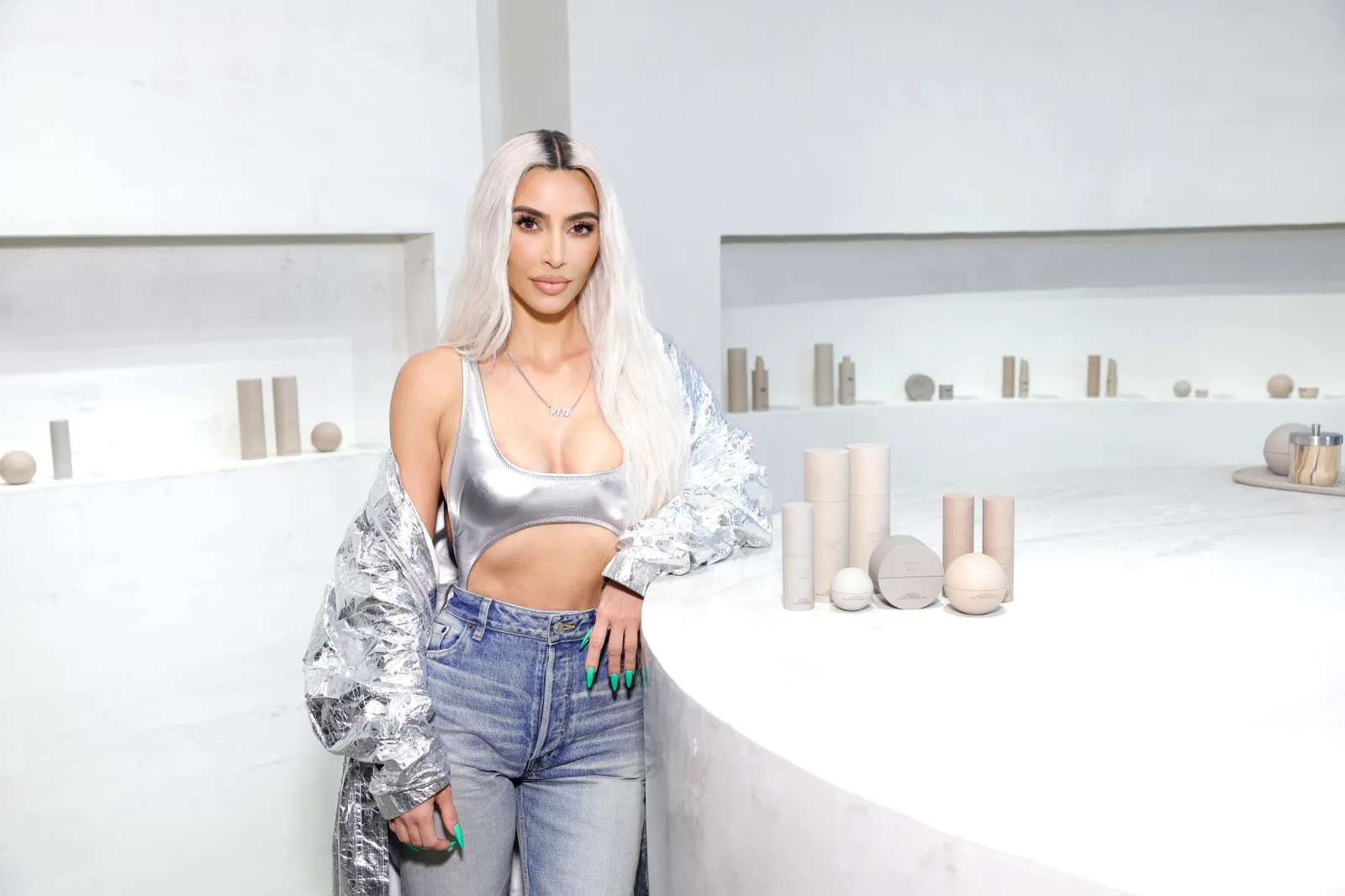
The LosersSKKN by Kim by Kim Kardashian
SKKN launched in 2022 with luxury packaging and premium prices, but struggled to connect with consumers despite Kardashian’s enormous fame.
By 2026, the brand had effectively shut down, becoming one of the clearest examples that celebrity status alone no longer guarantees success.
Fear not though, Kardashian’s other ventures have left her with a reported net worth of $1.9 billion.
“Many do get it wrong,” Hogan said, pointing out SKNN, “because they’re focused on selling their name with a product attached, leaving out a very critical element: community.”
 Kylie Skin by Kylie Jenner
Kylie Skin has maintained mixed reviews and far less cultural impact than Kylie Jenner’s hugely successful lip kits.
The brand now occupies a far quieter position in the market.
Blake Brown by Blake Lively
Launched in 2024 during a PR nightmare where Lively was embroiled in a public legal dispute with actor-director Justin Baldoni, Blake Brown, her haircare range, had its launch overshadowed by negative press and public scrutiny.
Though several positive reviews have come forward for the products, the overall label has yet to establish a meaningful market footprint.
Blake Brown, available at Target, has 368,000 followers on Instagram, despite Lively herself having over 40 million.
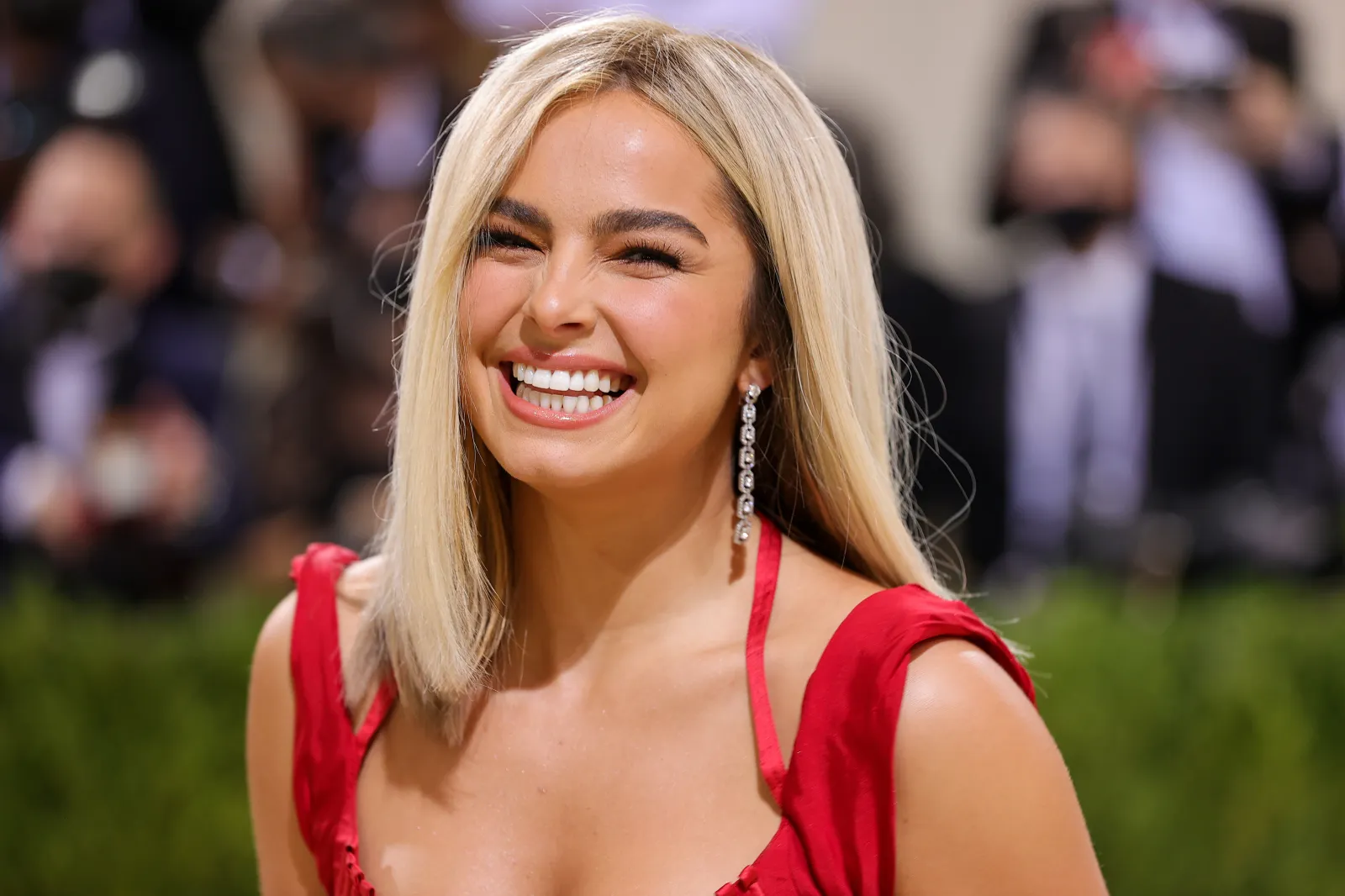
Item Beauty by Addison Rae
Item Beauty launched in 2020, targeting Gen Z fans with cruelty-free, affordable formulas.
Rae’s considerable TikTok audience, which launched her career before she pivoted to acting and music, fueled the line’s initial success. However, by 2023, it had been discontinued and was dropped from Sephora.
The brand never managed to transcend its founder’s social media fame.
 Selfless by Hyram by Hyram Yarbro
Skincare influencer Hyram Yarbro built a devoted audience on frank, informed product reviews, then launched Selfless by Hyram with The Inkey List in 2021, exclusively with Sephora.
Like Item Beauty, the brand eventually slipped into irrelevance and was dropped by the retailer.
The Newcomers
Alix Earle and Olivia Jade have just entered the playing field with their new lines Reale Actives and O.Piccola, respectively. They will now be forced to test whether TikTok celebrity can equate to durable brand equity. And then there is Harper Beckham, just 14-years-old, who allegedly hopes to break into the cutthroat market very soon.