
Credit: Far Out / MGM
Sat 23 May 2026 19:05, UK
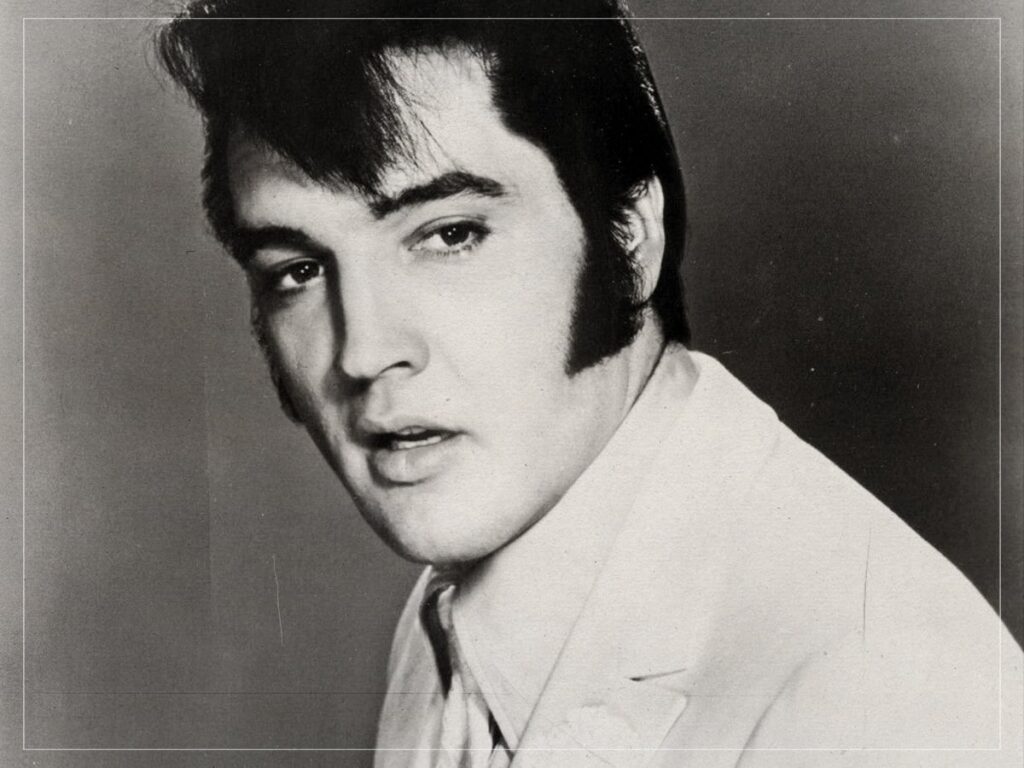
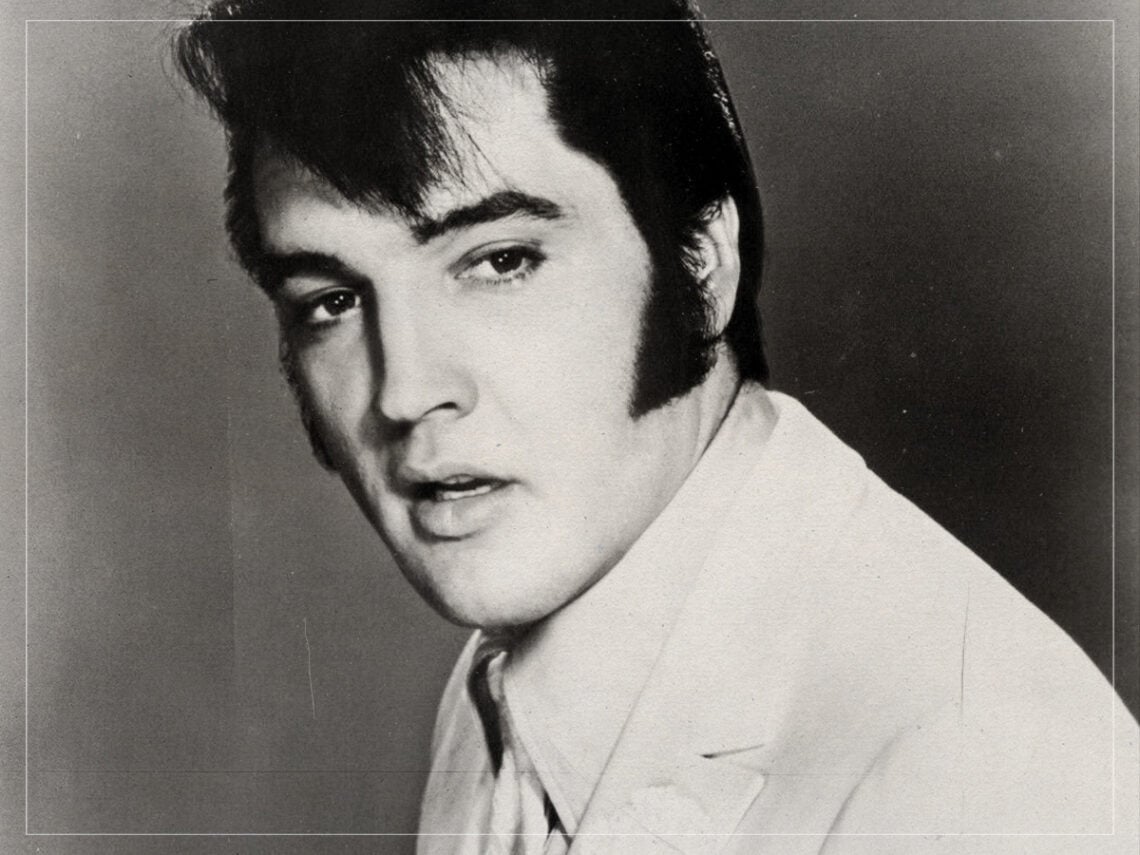
Everybody needs someone to look up to, even the king of rock ‘n’ roll. For Elvis Presley, there were a whole host of artists worthy of admiration, but only one with enough God-given talent to be worthy of the title “the greatest singer in the world”.
It is difficult to land on one single performer as the greatest singing artist. The very nature of music is a subjective art form. Yet, Bruce Springsteen once argued that Elvis himself is the last icon who overcame that notion. Paraphrasing Lester Bangs, the Boss proclaimed, “Elvis is the last thing we’re all going to agree on.”
He added, “After this, you are going to have your heroes, and I’m going to have mine. You’re gonna like Joni Mitchell, I’m gonna like Iggy Pop.” It’s a prescient take, but it belies the fact that Elvis also hailed heroes that he viewed as objective greats that everyone should adore, as opposed to subjective talents determined by taste.
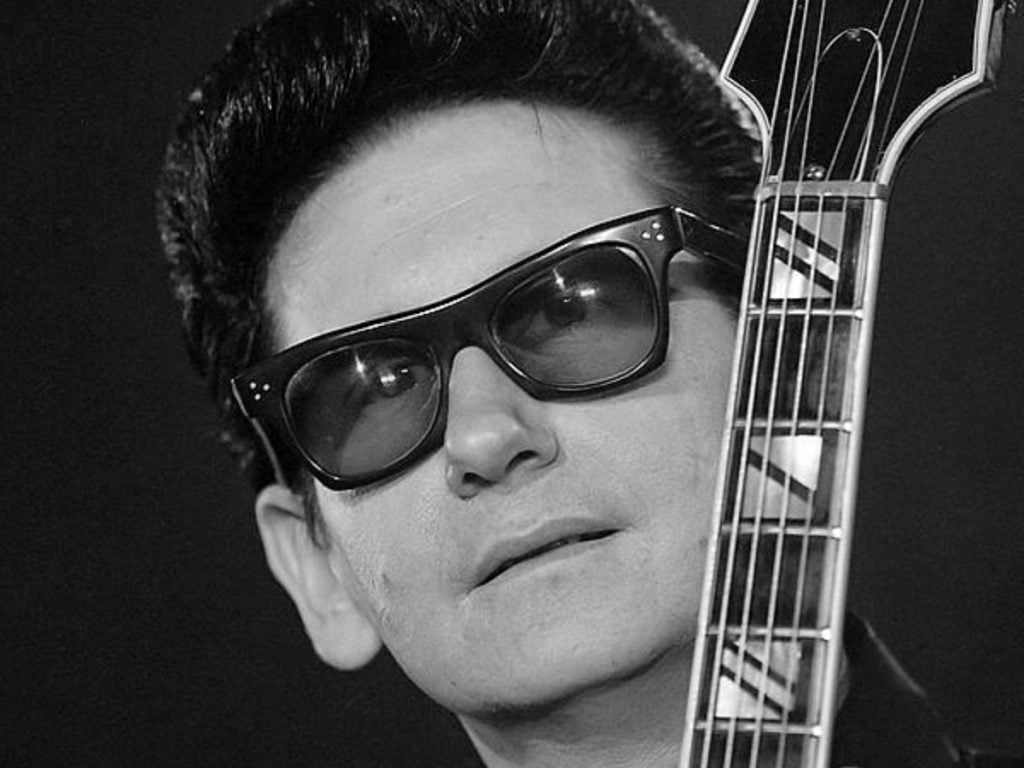
Figuring out who is worthy of such a lofty pedestal is no easy task. However, when you are trying to land on one, then a good indicator is perhaps one of the greatest performers the world has ever known. For Presley, there was only one performer who truly inspired him. That artist was the one and only, silken-voiced Roy Orbison.
Elvis wasn’t the only artist to fall for the vocal charms of Roy Orbison. His musical offerings have gone on to inspire everyone from U2 to Led Zeppelin, Tom Petty and the Bee Gees. Even The Beatles landed one of their earliest hits, ‘Please Please Me’, after hearing (and subsequently imitating) an Orbison tune on the radio.
For Elvis, Orbison was a once-in-a-generation talent. In fact, during one of his Las Vegas concerts, he went so far as to describe the singer as having a “perfect voice” in what is high praise, indeed.
 Credit: Jack de Nijs for Anefo
The feeling, it has to be said, was a mutual one. Orbison attended an Elvis concert in Odessa and immediately fell in love with the king’s effortless cool. As he once recalled: “‘His energy was incredible, his instinct was just amazing. I just didn’t know what to make of it. There was just no reference point in the culture to compare it.” Elvis’ intense stage presence stood in stark contrast to Orbison’s more conservative approach.
In Orbison’s shaded and often solemn eyes, this contrast was a product of the different musical styles they’d been surrounded by growing up. Growing up in Tupelo, Mississippi, “Elvis was surrounded by black music almost exclusively,” Orbison explained. “Black music and country music were just beamed every day in his area. But in my area (white West Texas), that wasn’t the case”.
But, clearly, Orbison relished the challenge Elvis threw his way. Of a concert he attended in 1955, Orbison said: “I couldn’t overemphasise how shocking he looked and seemed to me that night,” he recalled. “He told jokes that weren’t funny, and his diction was real coarse like a truck driver’s.”
He continued, “[There was] pandemonium in the audience because the girls took a shine to him and the guys were getting a little jealous.” But Orbison loved every minute of it and, during the drive home, felt a change come over him: “I really loved hearing it and couldn’t wait for the next records to come out,” he recalled.
The mutual affection shared by Presley and Orbison points to why they became two of the most important artists of their day. Indeed, their shared status saw them pitched against one another in the charts numerous times. But, with the arrival of ‘British Invasion’ bands like The Beatles, The Kinks, and The Who, both Elvis and Orbison saw a slump in their record sales.
It was a changing of the guard that would see the two men somewhat relegated to the background, though both would enjoy long careers and various resurgences; it was clear Elvis, in particular, found it difficult to adjust.
Both struggled with the changing tastes of the 1960s, but they remained firm friends through it all. When they reunited years later, their friendship hadn’t waned a bit. “We hadn’t seen each other in years,” Roy noted. “He hugged me. We talked about everything”. And in each other, they saw the greatest voices in American history. You can’t argue with that… just ask the Boss.
ADD AS A PREFERRED SOURCE ON GOOGLE  The Far Out Beatles Newsletter
All the latest stories about The Beatles from the independent voice of culture.
Straight to your inbox.