
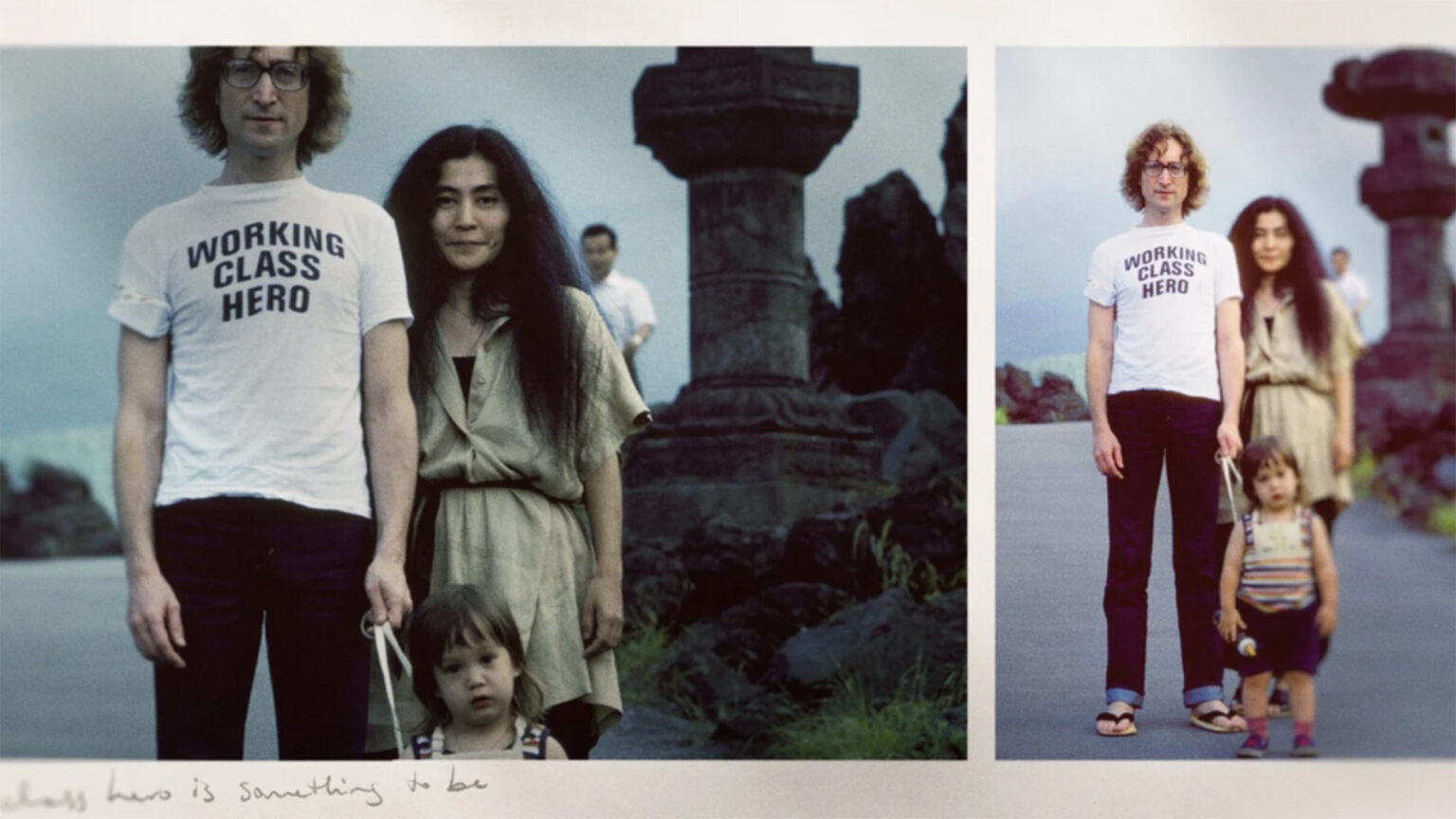
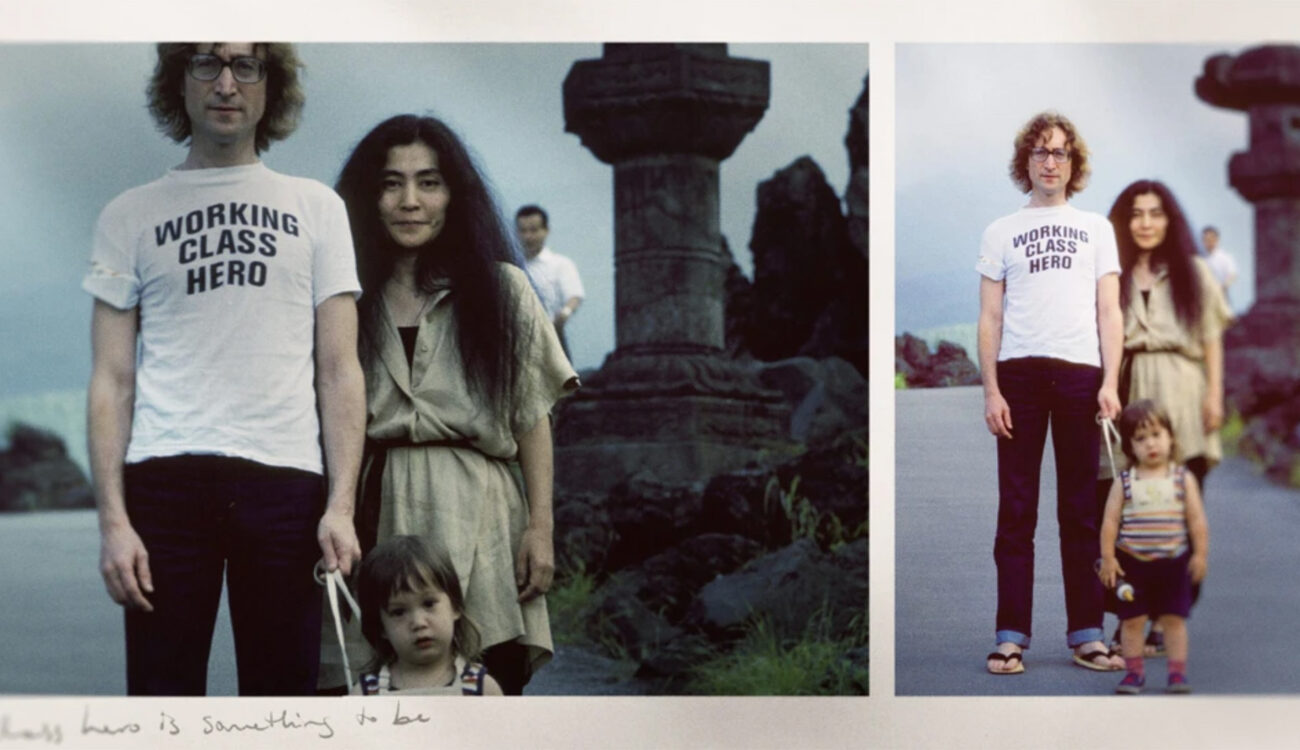
Steven Soderbergh’s John Lennon: The Last Interview premiered at Cannes 2026 as an official Special Screening, with roughly ten percent of its visuals generated using Meta’s video tools and the rest of the completion financing supplied by the same company. The director called himself “my own whistle blower” and laid down an unusually specific ethical test for when generative AI belongs in a finished film.
The 97-minute documentary is built around an unreleased radio interview running roughly two hours and 45 minutes, recorded by John Lennon and Yoko Ono at the Dakota Apartments for KFRC San Francisco hours before Lennon’s assassination. Soderbergh assembled more than 1,000 archival photographs and video clips to score the audio, then filled the remaining gaps with AI-generated material that he has repeatedly characterized as surreal rather than literal: circles of light, a black rose morphing into choreography, paint-mixing diptychs, lovers in split-screen. There are no AI deepfakes of Lennon or Ono in the film.
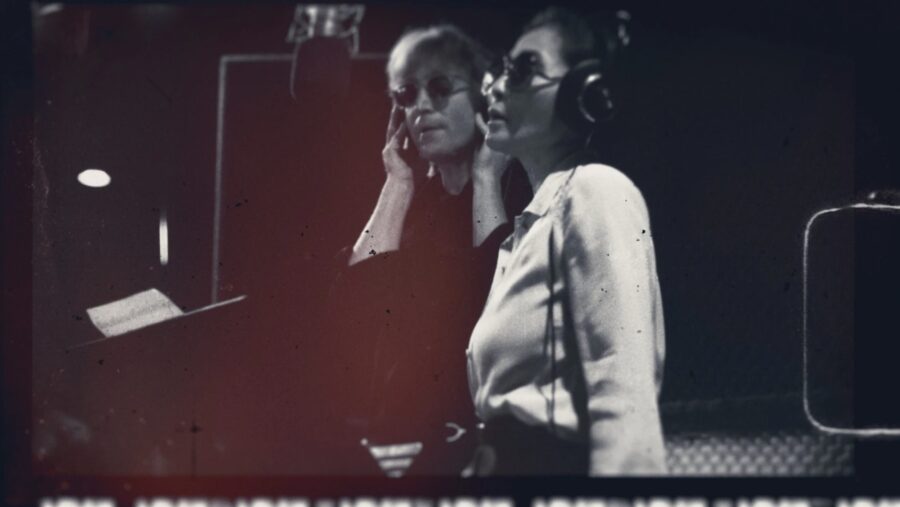 John Lennon and Yoko Ono. Image credit: Kishin Shinoyama via Cannes Film FestivalThe Meta partnership and what it actually paid for
Meta supplied both the generative-video tools used for the AI segments and the financing that allowed Soderbergh to finish the film. The deal sits alongside Meta’s new multi-year Festival de Cannes partnership, which this year replaced TikTok as the festival’s headline tech sponsor. Sean Lennon’s blessing letter was read aloud by festival director Iris Knobloch before the screening. Soderbergh, in a small piece of theatre, chose to remain seated rather than stand and introduce the film himself.
In his Deadline Q&A with Matt Grobar, Soderbergh laid out the framework he applied to every AI shot: “It has to be necessary. Is it the only way to accomplish what I want to see? Is it truly the best way to do it?” He told The Associated Press he had no illusions about the reception: “I knew what was coming.” Then, on the question of why he was being so explicit: “Transparency is so important. In the world outside of the creative context, we’re not aware of the extent that this is being used and used to manipulate us. I’m like my own whistle blower.”
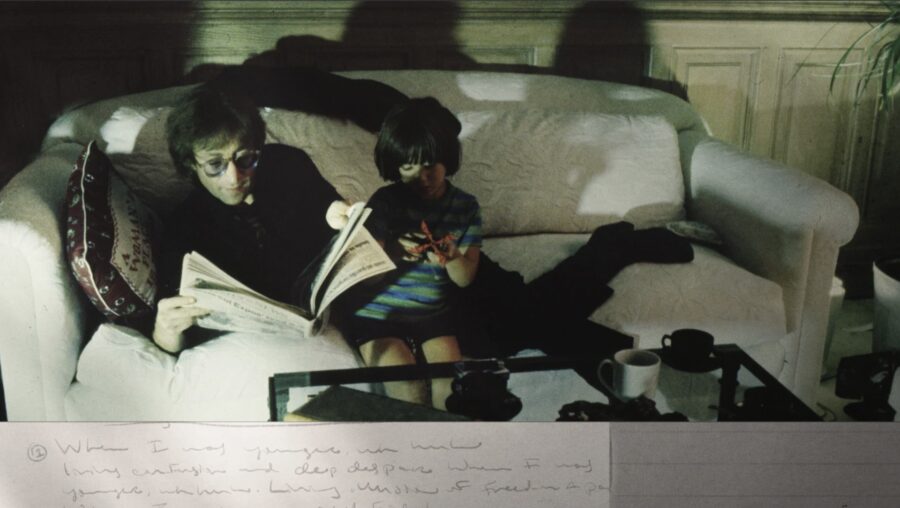 John Lennon with his son Sean. Image credit: Kishin Shinoyama via Cannes Film FestivalWhere the AI sits in the cut
Soderbergh has been more specific than most filmmakers about where in his timeline AI actually sat. Speaking to Filmmaker magazine, he framed the segments as “thematically surreal images that occupy a dream space rather than a literal space,” noting that the AI material amounts to about ten minutes spread across the 90-minute body of the film, generally appearing whenever Lennon and Ono drift into philosophy. He has described the AI work as the last stage of finishing, prompted by “images that are impossible to shoot” combined with a project that had “run out of time and money” before Meta’s offer.
That framing is worth weighing carefully. Several outlets have framed the AI use as a quick-turnaround substitute for traditional VFX, but Soderbergh’s own quotes describe it as a budgetary and time impossibility rather than a swap for a year’s worth of compositing work. The distinction matters for any working DP, editor, or VFX supervisor trying to figure out where this tooling fits in a real schedule.
A festival that talked about AI in two voices
Cannes 2026 was always going to be a stress test for the festival’s posture on generative AI, and the Soderbergh screening sat awkwardly between two louder positions taken in the same week. At the Théâtre Debussy, Guillermo del Toro introduced a 20th-anniversary Cannes Classics screening of Pan’s Labyrinth with a blunt “Fuck AI!” Peter Jackson, accepting his Honorary Palme d’Or, took the other side, telling the audience he would be open to AI for performance work, including digitally resurrecting performers, as long as the guardians of their legacy signed off.
Inside the Marché du Film, the conversation was more procedural. At the AI for Talent Summit, Darren Aronofsky and Google’s James Manyika walked through what Aronofsky called the tool framing: “It’s not impersonating a person, it’s actually a tool, and it’s very much in the tradition of the evolution of filmmaking. From when sound was first introduced, there was incredible pushback from all the people playing usable instruments. When the portable camera came, we suddenly got films like Breathless and the French New Wave.”
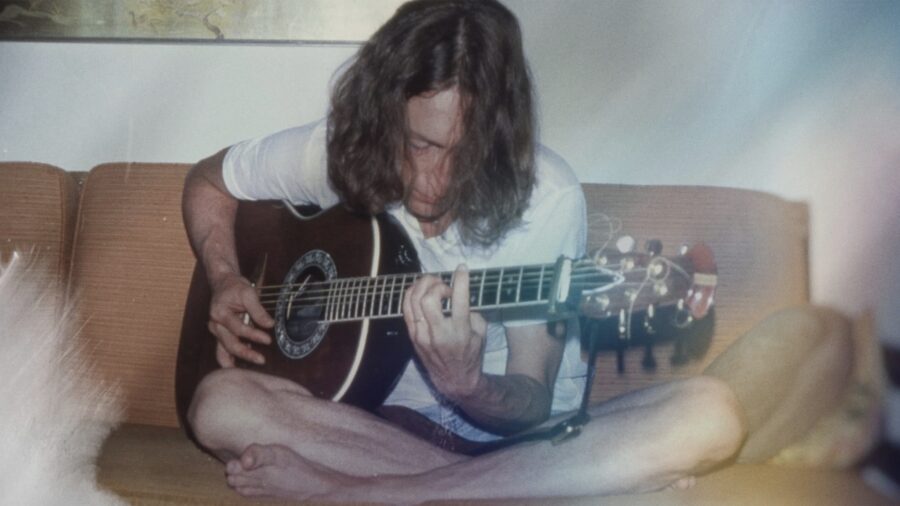 John Lennon in “John Lennon: The Last interview” by Steven Soderbergh. Image credit: Fred Seaman via Cannes Film FestivalThe labor question, from the director who has used the tools
The Soderbergh comment most likely to resonate with working crews is the one he gave The Next Web on the labor question. He argued that “most jobs that matter when you’re making a movie cannot be performed by this tech and never will be performed by this tech,” then added a craft-level observation that cuts against the standard generative-AI marketing pitch: “As it becomes possible for anybody to create something that meets a certain standard of technical perfection, then imperfection becomes more valuable and more interesting.”
That position lines up uneasily with the festival’s own stance. Cannes director Thierry Frémaux and Iris Knobloch articulated, at a Pathé Palace press conference earlier in the year, a curatorial exclusion of films “primarily driven by generative AI” from competition. Reuters and others reported the policy, although it is not codified as a written rule in the published 2026 regulations. Frémaux also floated the idea of a visible “made without artificial intelligence” label on selected works.
John Lennon: The Last Interview screened as a Special Screening rather than in any competitive section, which neatly sidestepped that policy. It also gave Soderbergh, the most prominent American director to ship an AI-assisted feature this year, the platform to model what disclosure looks like in practice. For Cannes regulars trying to read the festival’s actual position on generative tools, the gap between del Toro’s expletive and Soderbergh’s Meta partnership is the gap to watch.
For more on Soderbergh’s history with low-budget, technology-forward production, see our earlier coverage of his iPhone-shot Netflix feature High Flying Bird and his blunt advice that there are no excuses for not making movies on a phone. For our broader take on integrating these tools without losing your day job, my Ready Creator One BILD Expo talk from last year is the natural follow-up.
A release plan for John Lennon: The Last Interview has not been announced. The film screened at Cannes as an official Special Screening and remains in the hands of its producers and Meta for the next phase of its rollout.
Where do you draw the line between AI as a finishing tool and AI as a creative author? Don’t hesitate to let us know in the comments below!
Featured image: © Yoko Ono Lennon and Nishi Saimaru (via Cannes Film Festival)