
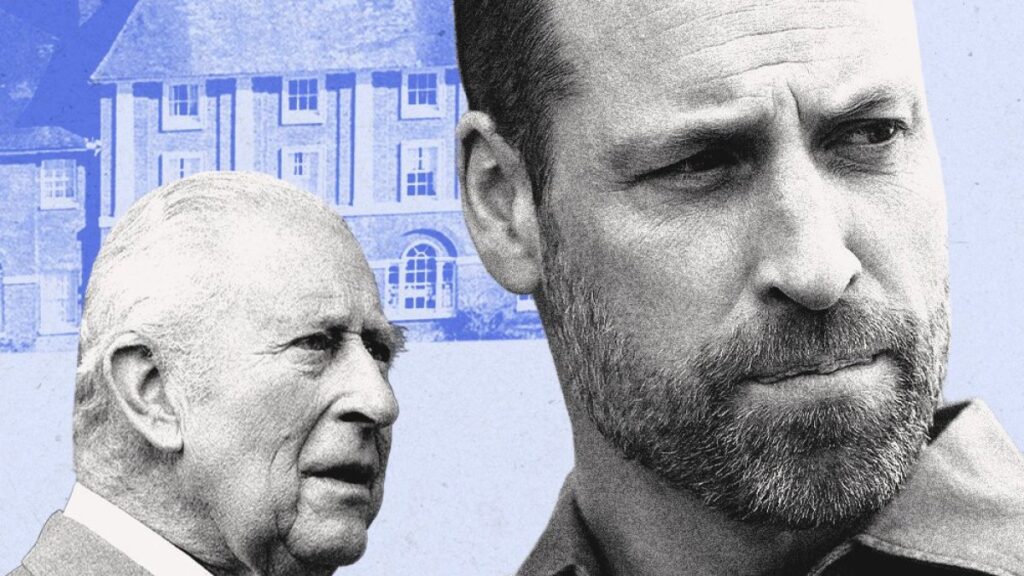
Cheering on his beloved Aston Villa at the Europa League last month, shedding a tear of joy and enjoying a beer, Prince William might have looked like just a normal football fan. He has talked about the very relatable parenting stress of chaotic school runs, remembering the right instrument or bit of school kit, and his son Louis leaving “jam fingerprints throughout the car”. He recently revealed himself to be a fan of all the American Pie films, those very silly and fun late 90s American coming-of-age sex comedies. The social media posts that he and his family share to their 17.2 million followers show not only their official engagements, but also snippets of the ruckus of normal family life, their children laughing together in the woods.
The heir to the throne has always exuded normalcy – an approach the broadcaster David Dimbleby has described as “an ordinary Joe”. Yet, beneath this, there lies something else. In the years since his father became King, William has demonstrated a surprising ruthlessness. When it comes to his role in the royal family, and preserving the legacy of The Firm, observers say he’s proving to be no ordinary Joe, but, in fact, a sharp-eyed strategist.
Andrew Lownie is a historian and royal biographer, and author of the recent Entitled: The Rise and Fall of the House of York. “William is calling the shots more now that we’re in this transitional phase towards him taking over,” he says. One of the clearest examples of William’s power, argues Lownie, is in the royal family’s handling of the Andrew Mountbatten-Windsor crisis.
William is said to have been a driving force in the removal of his uncle’s royal titles after his arrest, and the barring of him from public life. It is thought that William urged the Queen and Charles to act over Andrew after his disastrous 2019 Newsnight interview, but that Charles had been reluctant to remove his brother from the line of succession until shortly before his arrest on 19th February 2026.
“Charles is sentimental, he’s very compassionate, he’s a bit of a ditherer,” says Lownie, “and I believe he’ll have given guarantees to his mother, and indeed Andrew himself – guarantees that he will take care of Andrew, that he will ensure Andrew’s girls [Princesses Beatrice and Eugenie] are OK. William can’t speak out, because he’s number two and he won’t cross his father, but he’ll have had a big influence.”
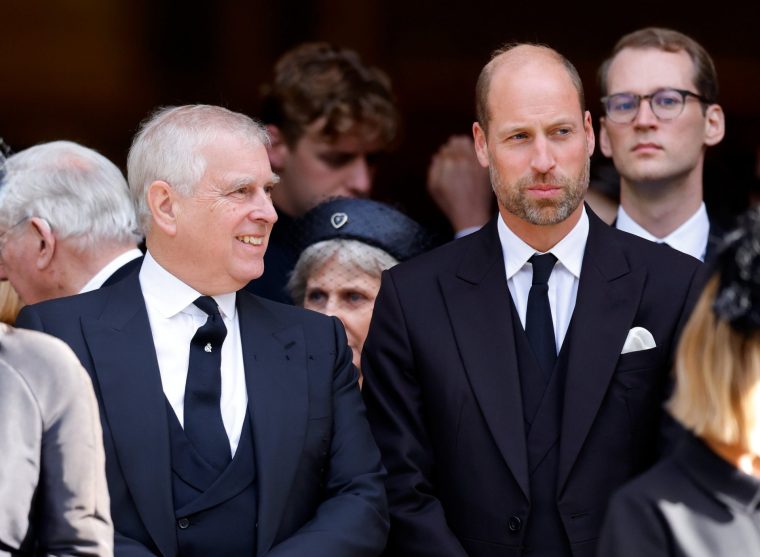 Andew and Prince William in 2025: William is said to have been a driving force in the removal of his uncle’s royal titles after his arrest, and the barring of him from public life (Photo: Max Mumby/Indigo/Getty Images)
The King wasn’t quite able to “bite the bullet” with his brother for quite some time, he continues. William “is annoyed and frustrated that the buck keeps being passed on the Andrew issue – that the Queen passed it to Charles, and Charles has had three years to address this, and hasn’t really done it. There’s some tension about that.”
“Charles feels his obligations to his relatives,” says Lownie, “but he also has various skeletons in his closet [his infidelity with Diana, the ‘Black Spider’ memos proving he lobbied the government], and has needed to keep Andrew and Fergie inside the tent, whereas William doesn’t care about any of that.” William reportedly told his aunt, Princess Anne, that her offer for Andrew to come and live with her once he was ousted from the royal lodge was “madness”.
When The i Paper approached Kensington Palace for comment this week, a spokesperson emphasised that the King and the Prince and Princess were “in lockstep”, and stated: “The Prince and Princess have been deeply concerned by the continuing revelations. Their thoughts remain focused on the victims.”
Lownie argues that William has not been affected by scandals in the way that many of his relatives have. “I think he’s cleaner than the others,” he says, “and the tension is that he wants a clean stable when he moves into the role of king. William also has Kate who is a really tough one, and behind that smiling exterior she’s like the steely queen mum. Kate gets how it all works, and I’m always struck that it is often the outsiders who better understand the institution rather than those who are born to it. Kate helps William see the reputational damage, and he is much tougher than his father or any other royal relatives. The couple is much better at reading the room.”
These differences between William and Charles have also been noted by Robert Hardman, the historian and royal biographer (author of Elizabeth II: In Private. In Public, among others) who has been covering the monarchy for over 25 years. “Charles is a romantic at heart,” he tells The i Paper, “and William is a pragmatist rather than a romantic. When it’s a choice between the institution’s long-term safety, or his wider family, well, the institution comes first.”
Away from the Andrew crisis – which only 28 per cent of Britons think the Royal Family have handled well since allegations were first made against him, according to Ipsos Mori polls – there have been other family fall-outs where William is reported to have taken a firm stance. He is thought to have been deeply involved in Harry and Meghan’s departure from royal duties, and to have vowed not to allow his brother back into the royal fold.
Since leaving royal life behind six years ago, Harry has discussed the breakdown of his relationship with his brother in detail in his book and in media interviews. William’s fury over this was thought to be the reason he was less willing than the King to meet Harry for peace talks during his 2025 trip to the UK. For William, Harry’s indisecretion has likely felt like a personal affront, but also a betrayal of the monarchy itself – and therefore a betrayal of William’s future, and the future of his children.
“The late Queen,” says Hardman, “as much as she adored Harry, knew her grandson couldn’t do this halfway house of being in the royal family. William gets this entirely; that the institution comes first. When there’s a moment where some member of the family… jeopardises the reputation of the brand, he’s not going to put up with it.”
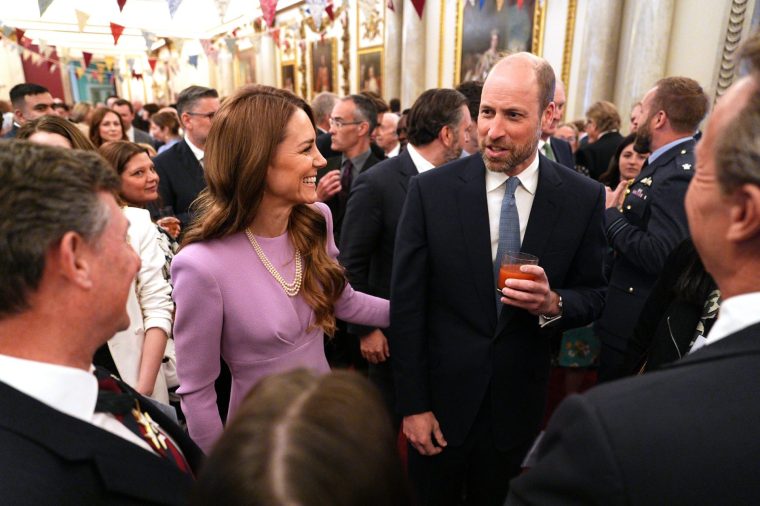 William and “steely” Kate during a reception at Buckingham Palace, London, to celebrate the 100th anniversary of Queen Elizabeth II’s birth (Photo: Aaron Chown/PA Wire)
In not wanting to cross his father, and needing to toe the line, there is only so much power William can wield at the moment. What he is, however, able to control is his Duchy of Cornwall estate – and recently, he announced he plans to sell off a fifth of it over the next decade. The plan is that the profits will help fund plans to invest more than 500 million pounds into local communities, including affordable housing and environmental projects.
The Duchy, which includes huge numbers of residential and commercial properties as well as swathes of land, made William a private income in 2025 of £20 million. He and Charles have in recent years faced criticism over the way their estates have been managed, and aides say William has been looking closely at management of the Duchy since inheriting it in 2022.
“We’re not the traditional landowner… we want to be more than that,” he said in The Times in May. “There is so much good we can do. I’m trying to make sure I’m prioritising stuff that’s going to make people’s lives, living in those areas, better.” Norman Baker, former Home Office minister and critic of royal funding, said that this move was “superficial” and that the Duchy was still a “royal fruit machine” that will simply generate more tenants and income.
Still, the timing of this announcement seems indicative of the moves William is deploying to make the Royal Family more relatable, modern – and, perhaps, harder to criticise when it comes to their Achilles heel, which has always been their vast wealth. In the wake of the Andrew scandal and the Epstein files, there will undoubtedly be calls for greater transparency when it comes to royal finances.
William, like his father, pays tax on the Duchy voluntarily – there is no legal need for him to do so. He had always declined to disclose the rate he pays, but recently briefed the Sunday Times that he paid £7 million tax on the Duchy in 2025.
Perhaps this is also why, now, William has revealed he and Kate are paying £307,200 a year in rent for their eight bedroom “forever home” in Windsor, Forest Lodge, which is owned by the Crown Estate. Of that sum, £234,000 is for the main house, and the rest covers three cottages within the grounds, used as accommodation for household staff and security staff.
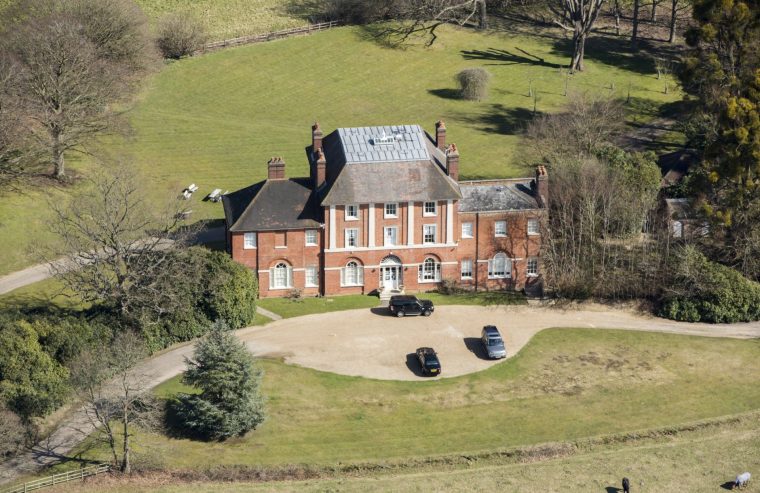 William and Kate’s new home, Forest Lodge, in Windsor. They are paying £307,200 a year in rent for it – nearly £100,000 more than the previous residents (Photo: English Heritage/Heritage Images/Getty Images)
Victoria Howard, a royal historian, and founder of The Crown Chronicles, sees these announcements as William clearly attempting to make the best of the influence and privilege he has. “Whether it’s paying his fair share of tax – he’s in the top percentile of tax payers in the UK – or by selling Duchy land to help build homes, this is part of the long game and a legacy that will long outlive him. Charles is more sentimental – for example, doing all he can to hold on to Birkhall, his late mother’s private residence on the Balmoral estate – for William, it’s about impact and the survival of the monarchy. No-one wants to be the King or Queen who sinks the ship…”.
In William and Kate’s household, there are signs of change, too. While Charles, as King, has a live-in team of 28, including four chefs, three valets and dressers, and a couple of butlers, William and Kate have said while living in their previous four-bedroom home of Adelaide House, that they didn’t employ live-in staff – although a team assisted them daily at home.
“They didn’t have staff then,” says Hardman, “but they probably do at their new place [Forest Lodge], but then again, it’s very difficult to know about their staffing arrangements because he is suspicious of the press, he likes to control the story, and is a very private man. I’ve interviewed Charles many times, but William is just different. He doesn’t want this huge entourage, he’s got a close-knit team.
“Charles stays up at night writing letters and reading books. William’s more of a boxset guy. He likes briefings, he likes memos, bullet points. Charles is very spiritual, while William’s not mad keen on church [a Kensington Palace aide says that William has ‘a quiet faith’].” Hardman continues: “William goes to church, he’s very dutiful, does what he has to do, but – let’s put it this way – at his age, Charles was going on retreats to Greek monasteries.”
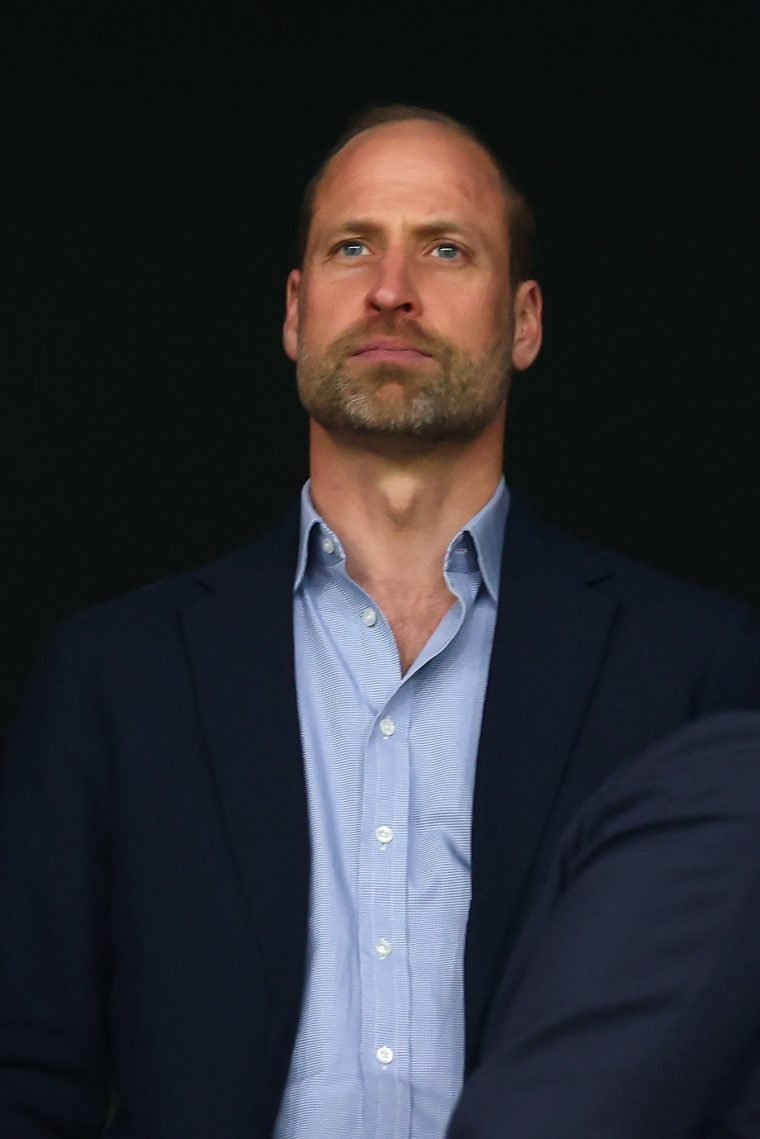 William at the UEFA Europa League Final 2026 match between SC Freiburg and his beloved Aston Villa FC. (Photo: Chris Brunskill/Fantasista/Getty)
So, when William becomes King, what does Hardman think he might do to preserve the monarchy? “When monarchs change things, they do things incrementally,” he says. “You’ll never get a huge relaunch. But William is the new kid on the block, and any change he makes will be seen as significant. While Charles has a pretty extensive property portfolio, I think William is going to trim that down. He might not be selling off castles, but I think there’ll be a general move towards having a smaller royal footprint.”
Lownie agrees that change will come – but it will happen slowly. “The palace moves at a glacial pace,” he says, “but I think William and Kate are looking at the European models of royal families.” The Scandinavian royals in particular tend to live more public, everyday lives, and are deemed more approachable. “This may be the way forward,” says Lownie, “as the royals have taken a big hit with Andrew and the Yorks.”
Howard thinks we will see “a softening the edge of the Royals, making them more human” but makes the point that it’s a fine line to tread. “We need them to be at least a little mysterious and majestic – but William’s the new generation, and more popular than his father. We could see more informal elements to events, perhaps a tweak to the format of Garden Parties so that they can talk to more people, while still balancing the grandeur of top hats and tea. More personal video messages and their own social posts. William has definitely shown he’s decisive when it comes to the future of the monarchy.”
Can William ensure that trust is won back, and maintained for generations to come? “There needs to be more parliamentary accountability,” says Lownie, “particularly about the finances. Proper debates, and there should be parliamentary investigation into Andrew as foreign envoy, and which royals knew what, and investigate it as we would with any public authority. But for now, I think William and Kate, when King and Queen, will do only as much reform as they need to, to improve public opinion, and do a little bit and see how it goes, and then do more if necessary.”
As the monarchy finds itself under more pressure than ever, it’s clear that William is savvy and unyielding enough to show the public that he is from a different, more modern time.
“This softly, softly approach is the way William and Kate will go,” says Lownie. “A lot of it will be performative, and all the royals are still in a bubble, after all. But what’s clear is that William is already refusing to be tarnished by the events of the past. He won’t be standing aside and letting private pleasure and scandal ruin the future of the crown.”