
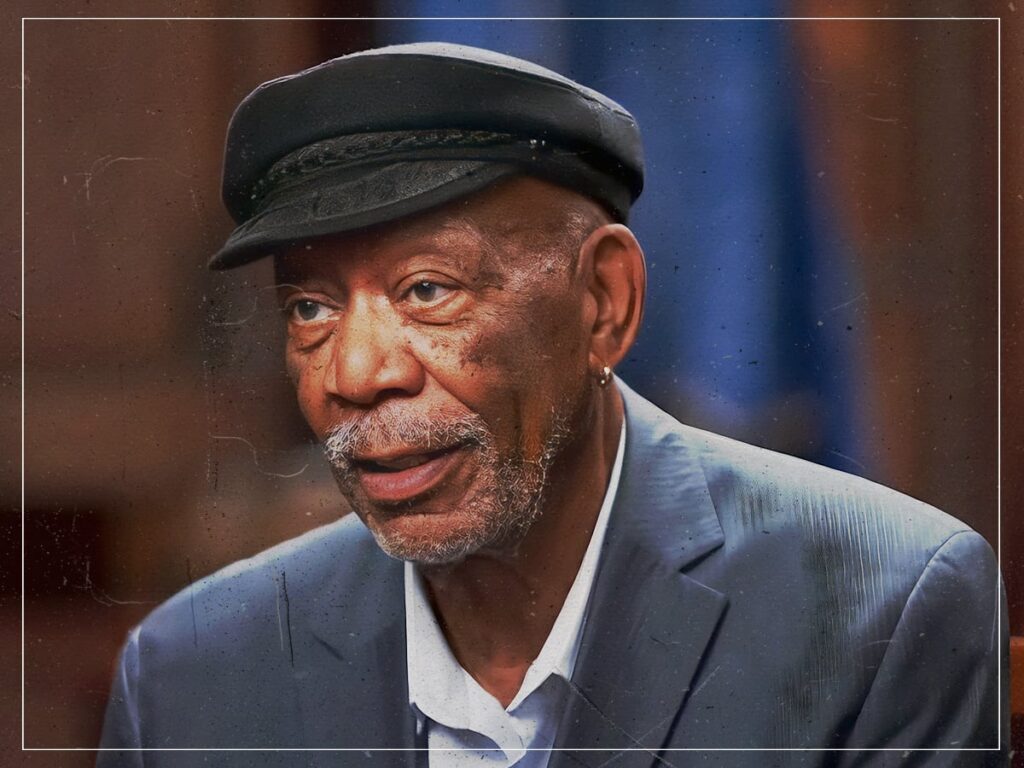
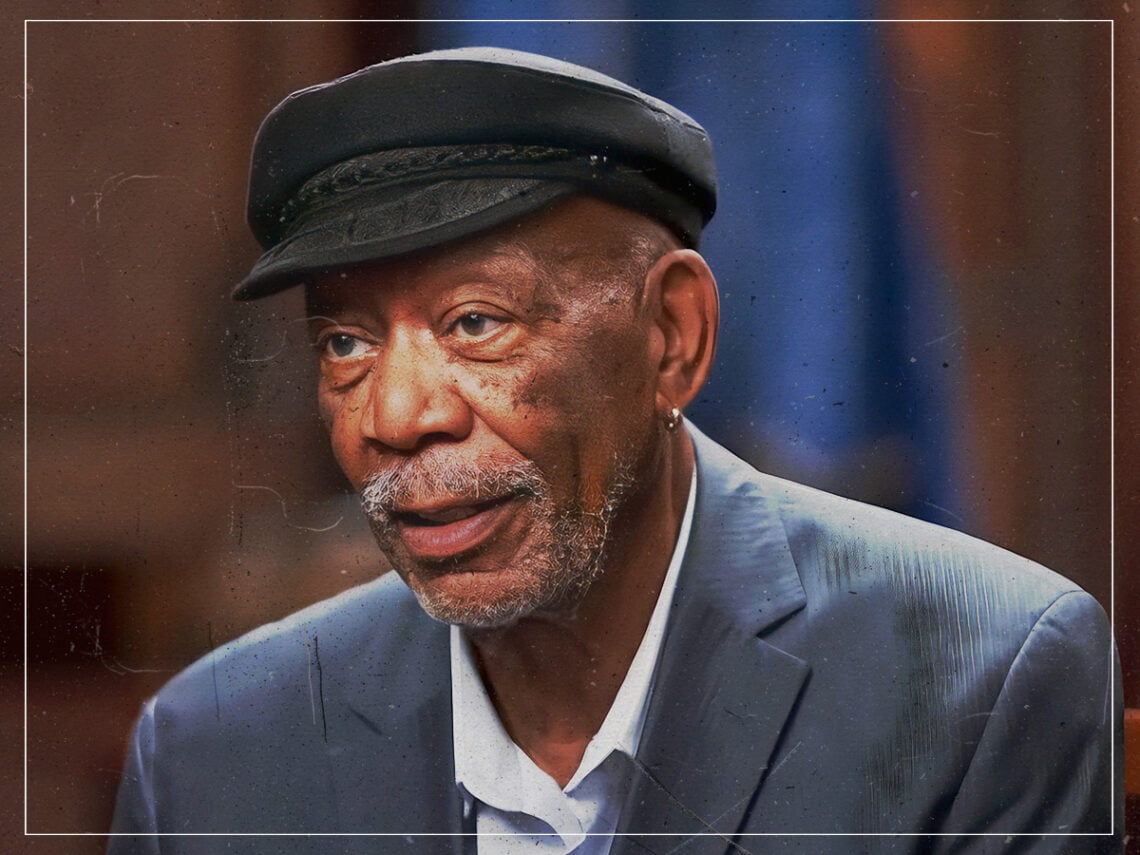
Credit: Far Out / YouTube Still
Fri 29 May 2026 15:43, UK
There are times when an actor simply knows that the project they’ve signed up for is bound for glory.
With a fantastic cast, a large budget, an acclaimed director, and a good screenplay, an actor can be safe in the knowledge that the film they’re set to star in will do them justice. However, the same can be said inversely; sometimes, an actor just knows that a movie is doomed from the start.
Experience often gives performers an instinct for trouble. While audiences only see the finished product, actors witness the behind-the-scenes chaos that can derail a production long before it reaches cinemas.
Take Michael Caine, for example, who knew that 1979’s Ashanti was doomed from the very start. “That was a disaster right from the start. I’d been working on that for a week, and they fired the leading lady, the director, the art director, and the editor. So, I had a faint inkling that we might be onto a spotty project there.” Then there’s Eddie Murphy, who admitted to Rolling Stone that he knew Imagine That would be a massive failure: “The movie didn’t have a chance at the box office – it’s just me and this little girl and a blanket.”
Sometimes, a project simply doesn’t have enough support behind it, with various production issues inevitably affecting the final outcome of the movie, and in other cases, an actor has no choice but to star in a movie because of contract expectations. It seems as though most actors have a movie that they appeared in rather reluctantly, like Morgan Freeman, who admits to knowing a certain film of his was always doomed.
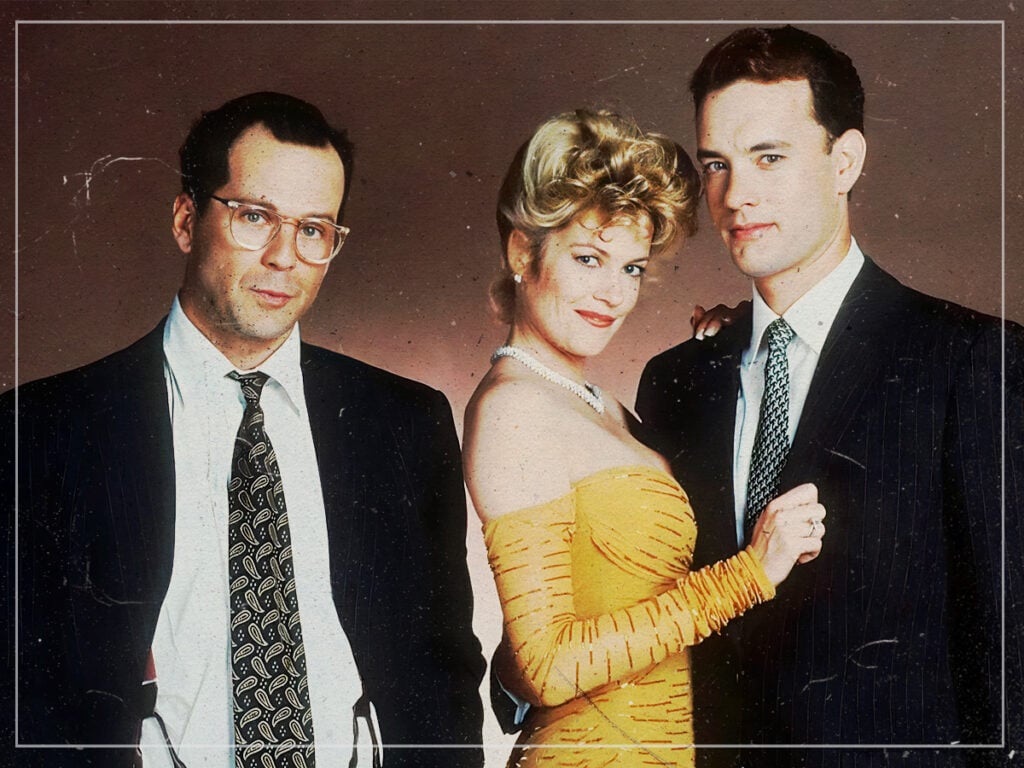 Credit: Far Out / Warner Bros. Pictures
Freeman’s concerns were not rooted in the screenplay or the talent involved. Instead, they stemmed from decisions made during the production process that suggested the filmmakers were already struggling to define the project.
The actor appeared alongside a rather star-studded cast in 1990 for Brian De Palma’s The Bonfire of the Vanities, which included Tom Hanks, Melanie Griffiths, Bruce Willis, and Kim Cattrall. Despite the fact that De Palma was a hugely acclaimed filmmaker, having found success with movies like Carrie, Dressed to Kill, Blow Out, and Scarface, his adaptation of Tom Wolfe’s book didn’t receive the same level of applause. Made on a budget of $47million, it made just $15.6m, making it a huge commercial flop.
Further reading: Cutting Room Floor
The movie didn’t have an easy ride when it came to casting decisions, which is why Freeman felt as though the project was going to fail. The most prominent issue that emerged was due to Freeman’s casting as Judge Leonard White, a character who was initially going to be a Jewish man. Alan Arkin was set to play the role, but there was a sudden switch-up when it was decided that a Black actor should play the role instead.
“I knew that movie wasn’t going to work,” Freeman once said, adding that the film was trying to “be politically correct and make the judge Black. So they fired Alan Arkin and hired me. Not a great way to get a role.”
The movie offered a satirical look at 1980s New York, with racial politics playing a prominent theme. However, despite the success of the book, the film simply didn’t hit the mark, faring poorly with both critics and audiences. It seems as though the themes of The Bonfire of the Vanities didn’t translate properly in De Palma’s adaptation, and Freeman knew that the complicated issues surrounding his casting were enough to set the movie up for failure.
Looking back, The Bonfire of the Vanities remains a fascinating example of how even an impressive cast, a celebrated director and a bestselling source novel cannot guarantee success when a project loses sight of its creative foundations.
ADD AS A PREFERRED SOURCE ON GOOGLE 