
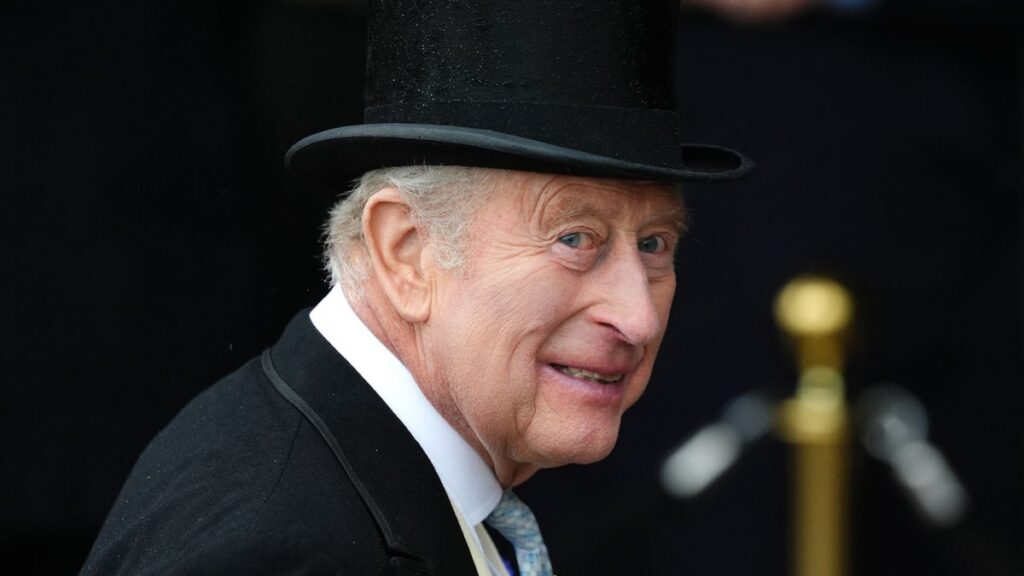
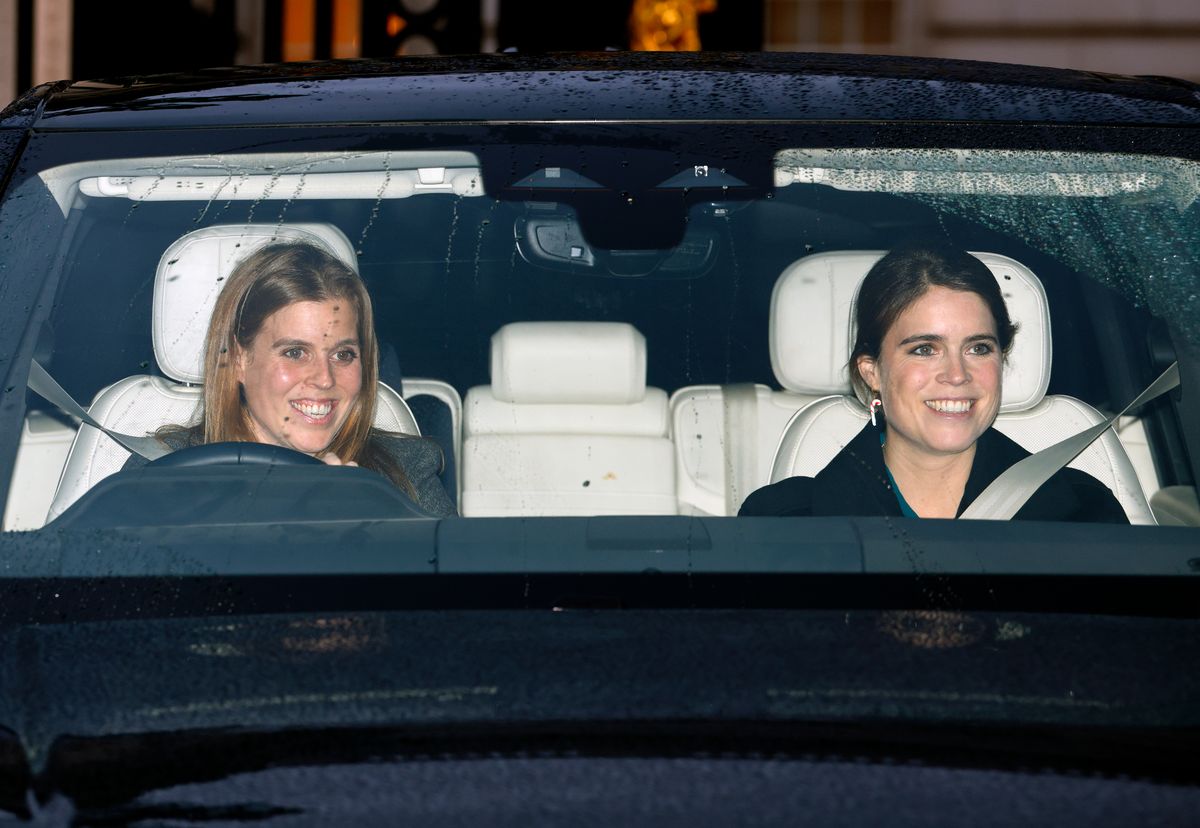
King Charles has ordered a formal review of the rental arrangements involving Princesses Beatrice and Eugenie, placing renewed scrutiny on how royal housing is funded and justified within the modern monarchy.
The move follows a National Audit Office (NAO) report that has already reshaped debate around royal estates and their financial structure.
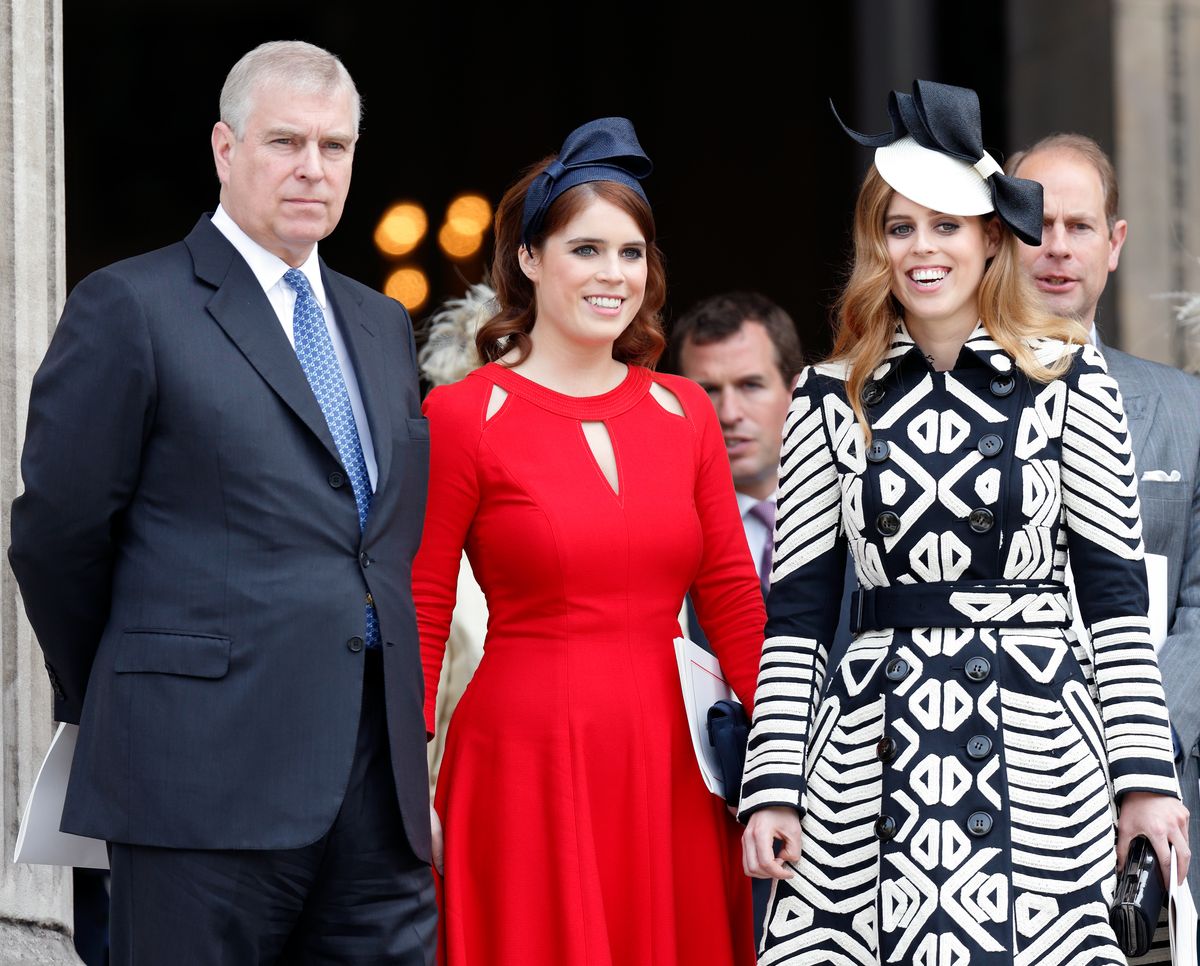
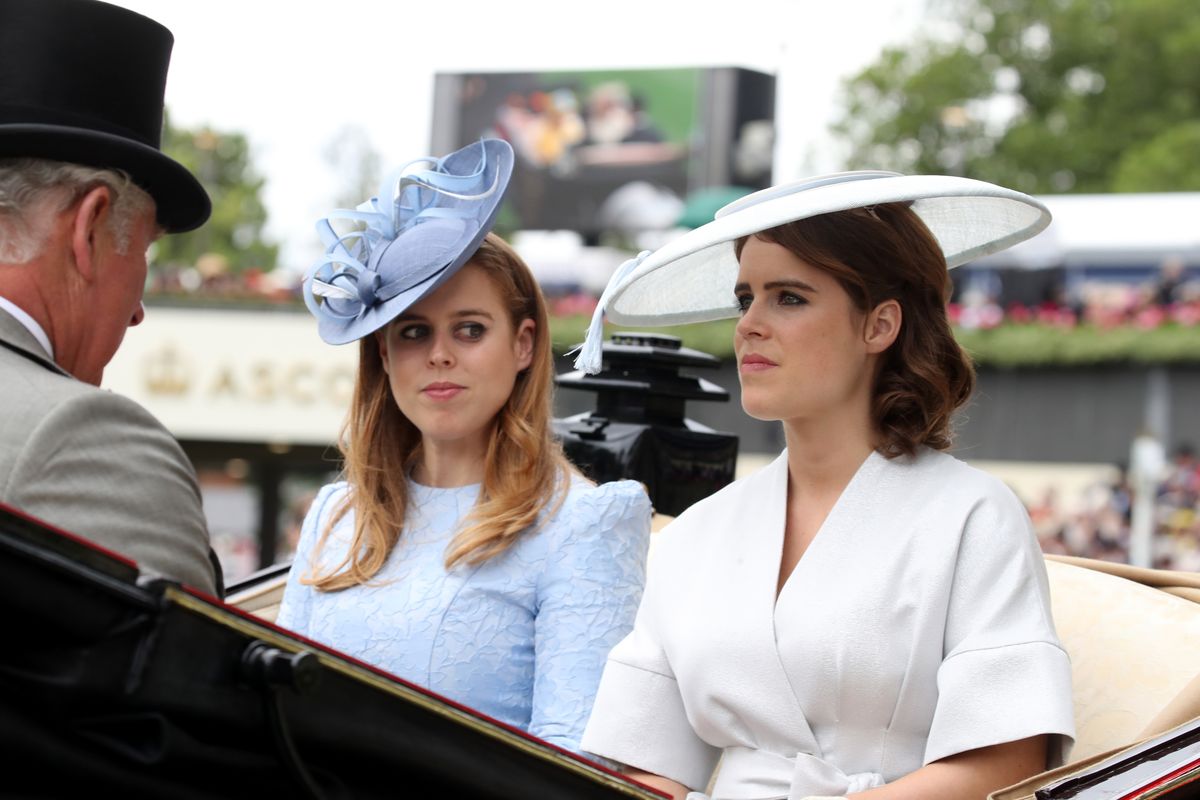 © Chris JacksonKing Charles has ordered a review of royal housing arrangements involving Princess Beatrice and Princess Eugenie
It found that Beatrice’s apartment at St James’s Palace and Eugenie’s Ivy Cottage at Kensington Palace are leased under below-market arrangements, privately funded by the King through his Privy Purse, a system rooted in long-standing royal tradition.
The properties are held under annual licenses at heavily reduced rates, estimated at around 60 to 68 percent below market value. Independent valuations suggest comparable homes could command £10,000 to over £20,000 per month, depending on size and location. The cost, however, is covered privately through the Duchy of Lancaster rather than public funds.
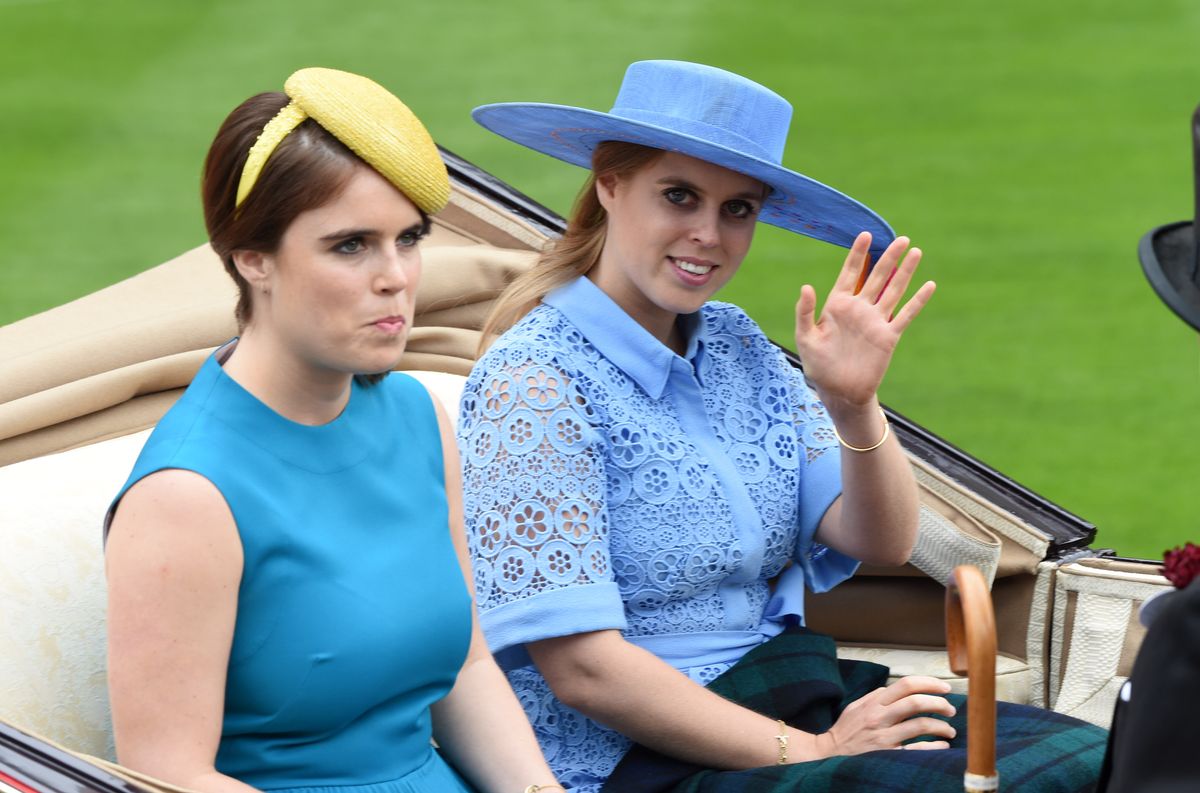
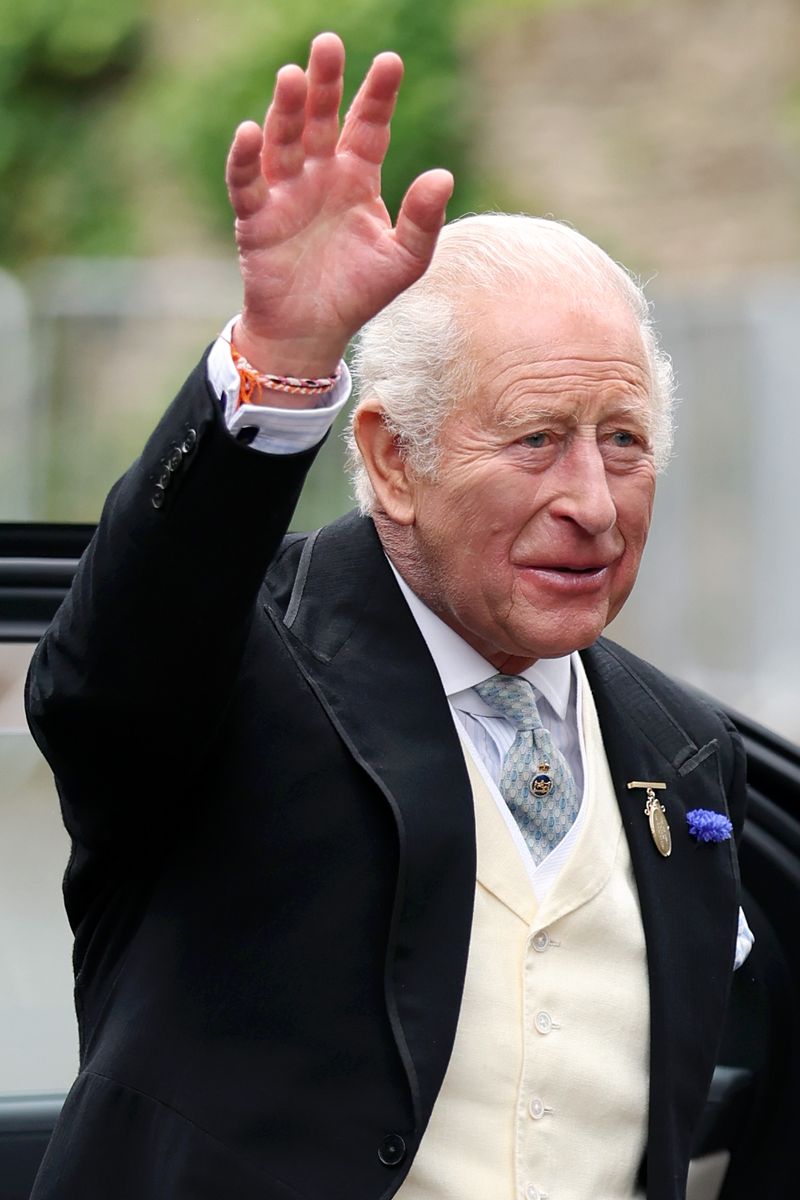 © Getty ImagesBuckingham Palace has emphasized transparency following the National Audit Office report on royal finances
The issue has gained momentum amid a wider inquiry into royal property use, initially sparked by scrutiny of Prince Andrew’s former lease at Royal Lodge. That investigation has expanded into broader questions about subletting, subsidies, and private income across the royal estate system.
Buckingham Palace has stressed its commitment to transparency, but the NAO report has triggered significant parliamentary concern. Lawmakers argue it exposes a gap in financial openness that has long underpinned public trust in royal funding.
 © Max Mumby/IndigoSt James’s Palace, where Princess Beatrice holds a discounted annual license agreement
The Public Accounts Committee is expected to launch a formal inquiry at the end of June, with MPs examining whether royal residences deliver value for money and whether oversight remains adequate.
Senior figures, potentially including Andrew Mountbatten-Windsor, could be asked to give evidence on property use and income arrangements.
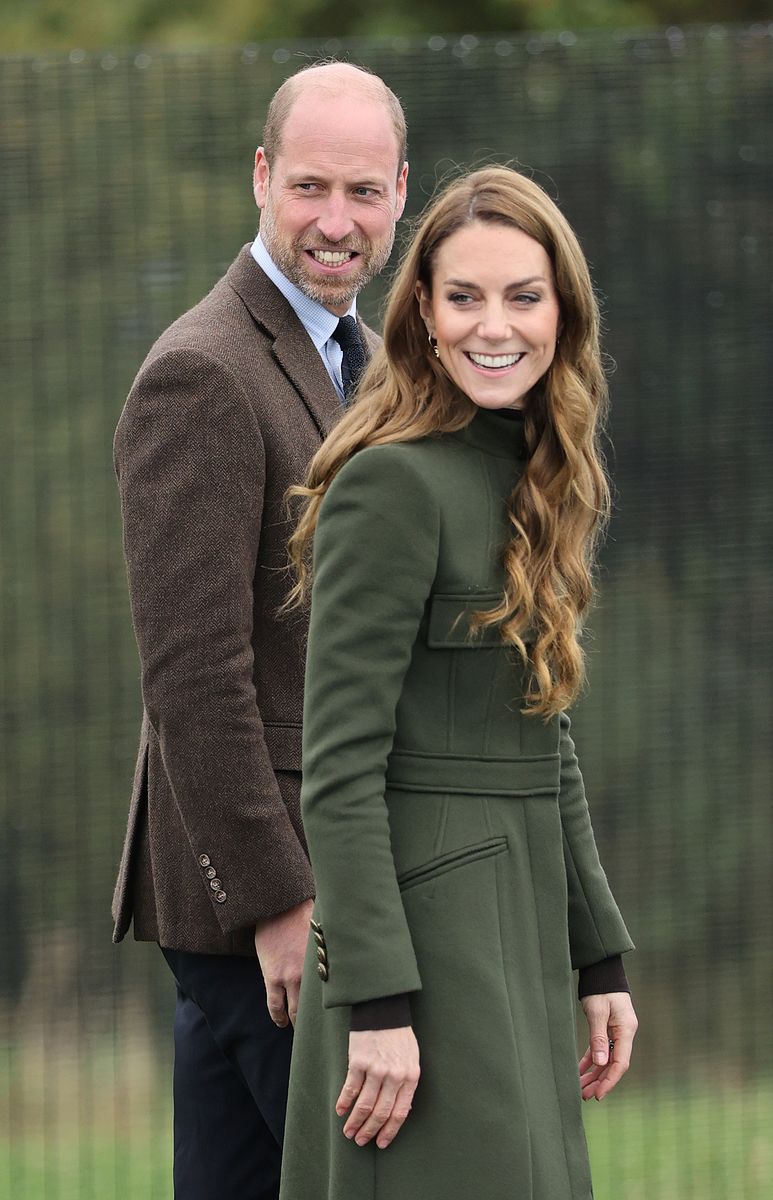 © Getty ImagesForest Lodge on the Windsor Estate, occupied by Prince William and Princess Catherine is under a private lease arrangement
Critics have also pointed to what they describe as a “translucency problem,” noting that while the NAO clarified structural arrangements, it did not disclose precise figures for private income generated from royal estates. Baroness Margaret Hodge, former chair of the committee, has highlighted the lack of full financial visibility.
Royal housing is broadly split between working royals, funded through the Sovereign Grant, and non-working royals, whose arrangements vary widely.
 © Max Mumby/IndigoPrincess Eugenie’s Ivy Cottage at Kensington Palace is leased under a reduced-rate arrangement funded privately by the King
King Charles and Queen Camilla reside in official residences funded publicly, while Prince William and Princess Catherine occupy Forest Lodge on a privately funded lease through the Duchy of Cornwall, reportedly costing £307,200 annually plus refurbishment expenses.
Other arrangements vary further. Prince Edward and Duchess Sophie lease Bagshot Park under favorable Crown Estate terms, while Andrew Mountbatten-Windsor previously held Royal Lodge at a nominal rent alongside reported subletting activity.
 © Justin Goff PhotosPrincess Beatrice’s apartment at St James’s Palace is part of the below-market royal lease arrangements under review
Prince and Princess Michael of Kent have seen significant rent increases in recent years, while Princess Alexandra’s arrangement at Thatched House Lodge remains tied to a historic long-term agreement.
Taken together, the arrangements reflect a patchwork system blending public funding, private wealth, and legacy leases, often with limited transparency.
The current review comes at a sensitive moment for royal finances, as pressure grows over the Sovereign Grant and broader accountability. Within the royal household, Prince William is reportedly taking a more hands-on role in reshaping property policy, with expectations that future ref