
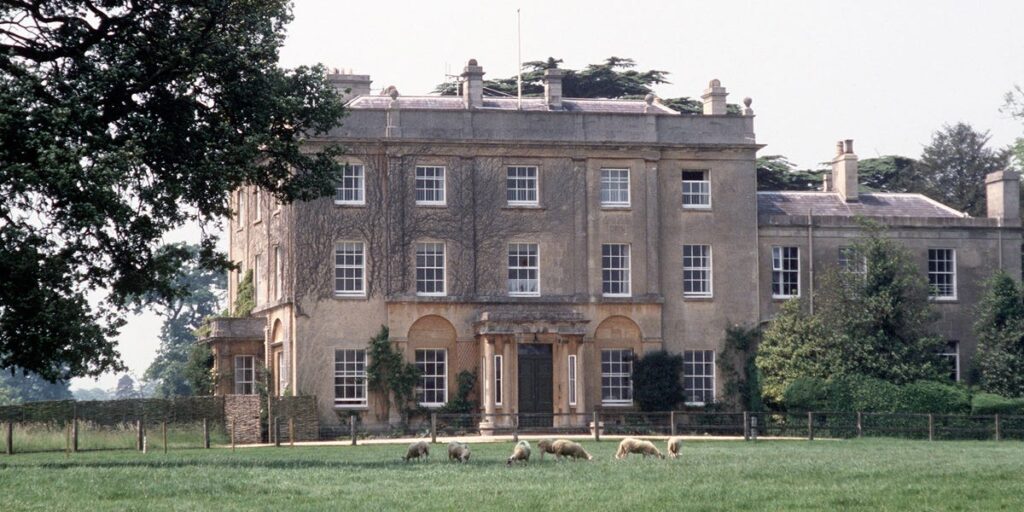
As Britain’s reigning monarch, King Charles III has his pick of palaces. But the residence that reflects his personal interests perhaps the most is Highgrove House. He acquired the Gloucestershire estate in 1980, back when he was the Prince of Wales. Over the years, he turned it into a place that highlights the causes he cares about, such as protecting the environment, supporting traditional architecture, and encouraging sustainable farming and gardening.
Highgrove is one of several homes that King Charles uses during the year. Buckingham Palace is still the monarchy’s main headquarters, but Charles and his wife, Queen Camilla, mainly live at Clarence House when they’re in London. Around Christmas and the holidays, the royal family spends time at Sandringham House in Norfolk.
In Scotland, Charles and Camilla stay at Birkhall on the Balmoral Estate, their preferred home in the Highlands. And when the King is in Northern Ireland for official duties, he stays at Hillsborough Castle, an 18th-century Georgian country house near Belfast.
Even with this regal property portfolio, Highgrove stands apart as the place where Charles raised his sons, Princes William and Harry, and developed many of his environmental ideas.
Highgrove House
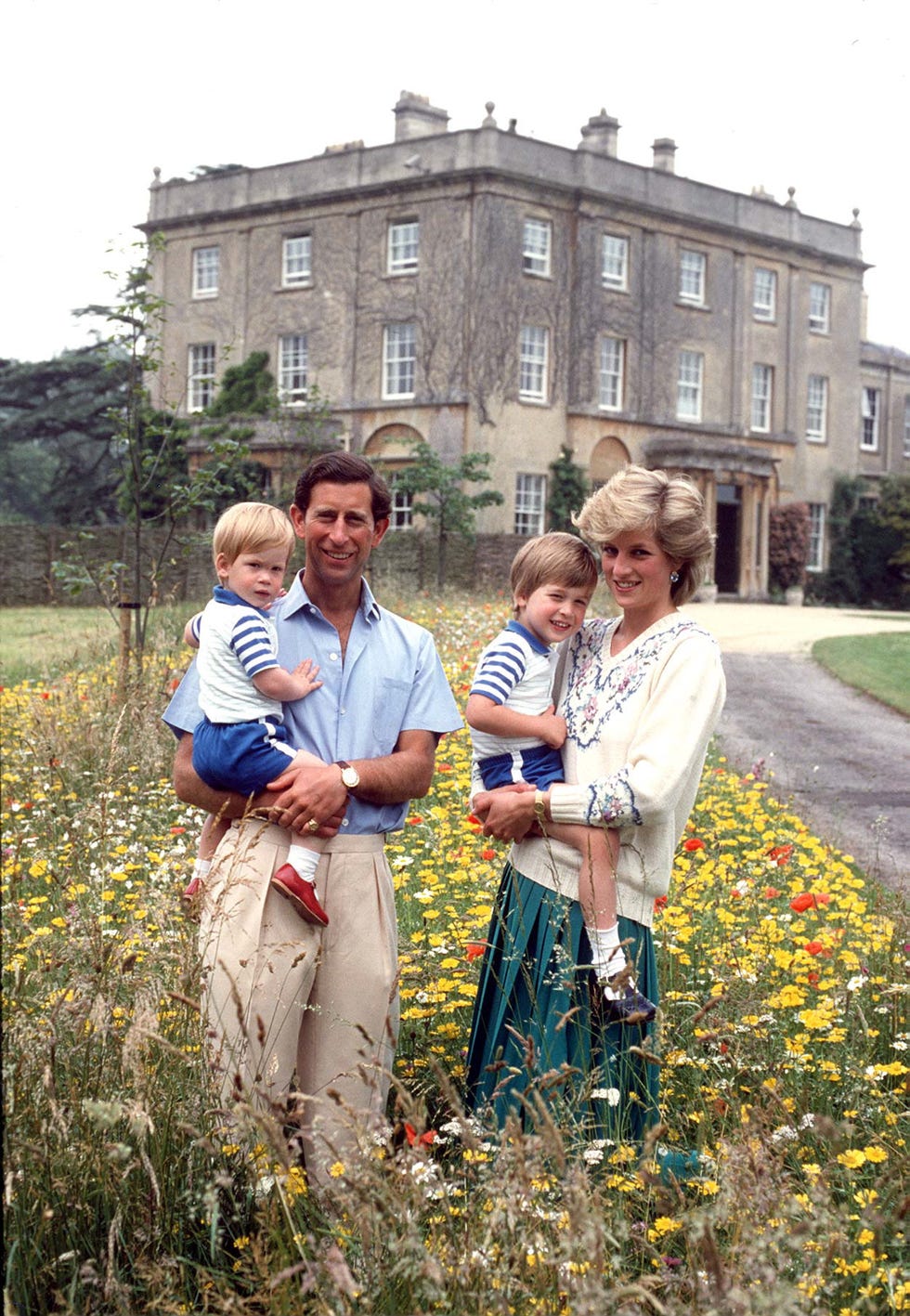
Charles bought the country retreat through his estate, Duchy of Cornwall just before marrying Princess Diana in 1981, and it soon became a family home for the young couple and their sons.
The house was built in the late 1700s and is usually credited to architect Anthony Keck, who designed several well-known country houses in the Cotswolds. Highgrove’s Georgian Neoclassical style features balanced shapes, simple details, and warm Cotswold stone. Unlike Buckingham Palace or Windsor Castle, it wasn’t meant to be a grand ceremonial home; it’s a relatively smaller size, although the grounds encompass more than 900 acres.
 Tim Graham//Getty Images
Charles and Diana with Princes William and Harry at Highgrove House in 1986.
Highgrove’s history goes back centuries before Charles owned it. The retreat was first built for the Crawley-Boevey family after they became baronets, and it later belonged to several other owners, including a lawyer named William Yatman. In the 1950s, former U.K. Prime Minister Harold Macmillan’s family lived there, and the Duchy of Cornwall bought it in 1980.
 Tim Graham//Getty Images
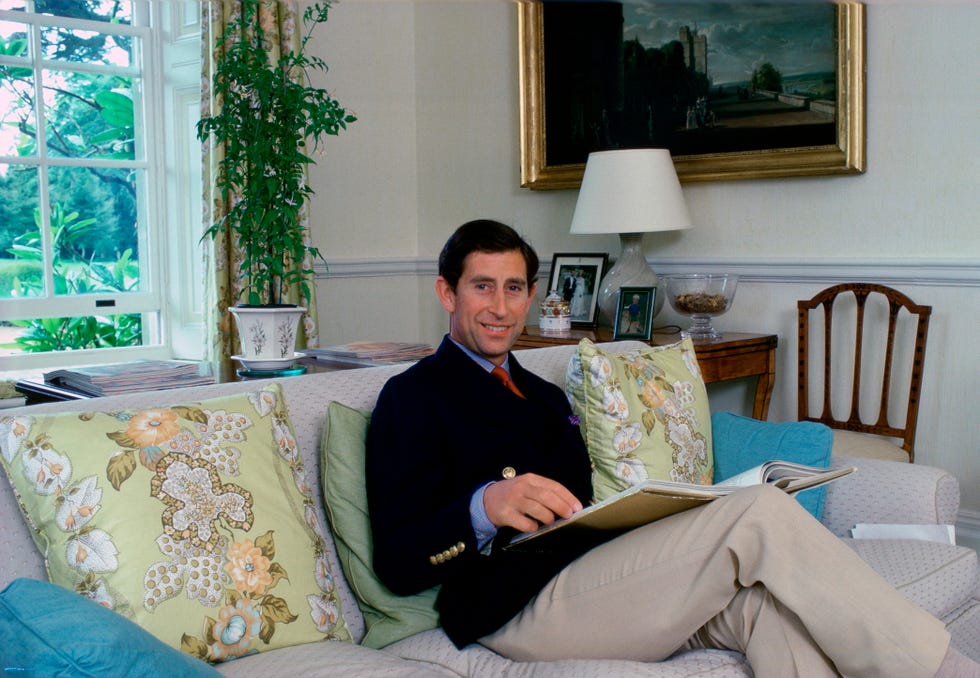
Charles was pictured in his living room in Highgrove House more than 40 years ago.
Soon after becoming owner, Charles began updating the residence and its grounds. In 1981, he tapped interior designer Dudley Poplak to decorate the residence in a fresh country-house style that also inspired the look of Charles and Diana’s apartments at Kensington Palace. Years later, British decorator Robert Kime updated the interiors while maintaining the relaxed feel. Charles also added exterior features—such as classical columns, a pediment, and a balustrade—that fit with the house’s original design.
 Tim Graham//Getty Images
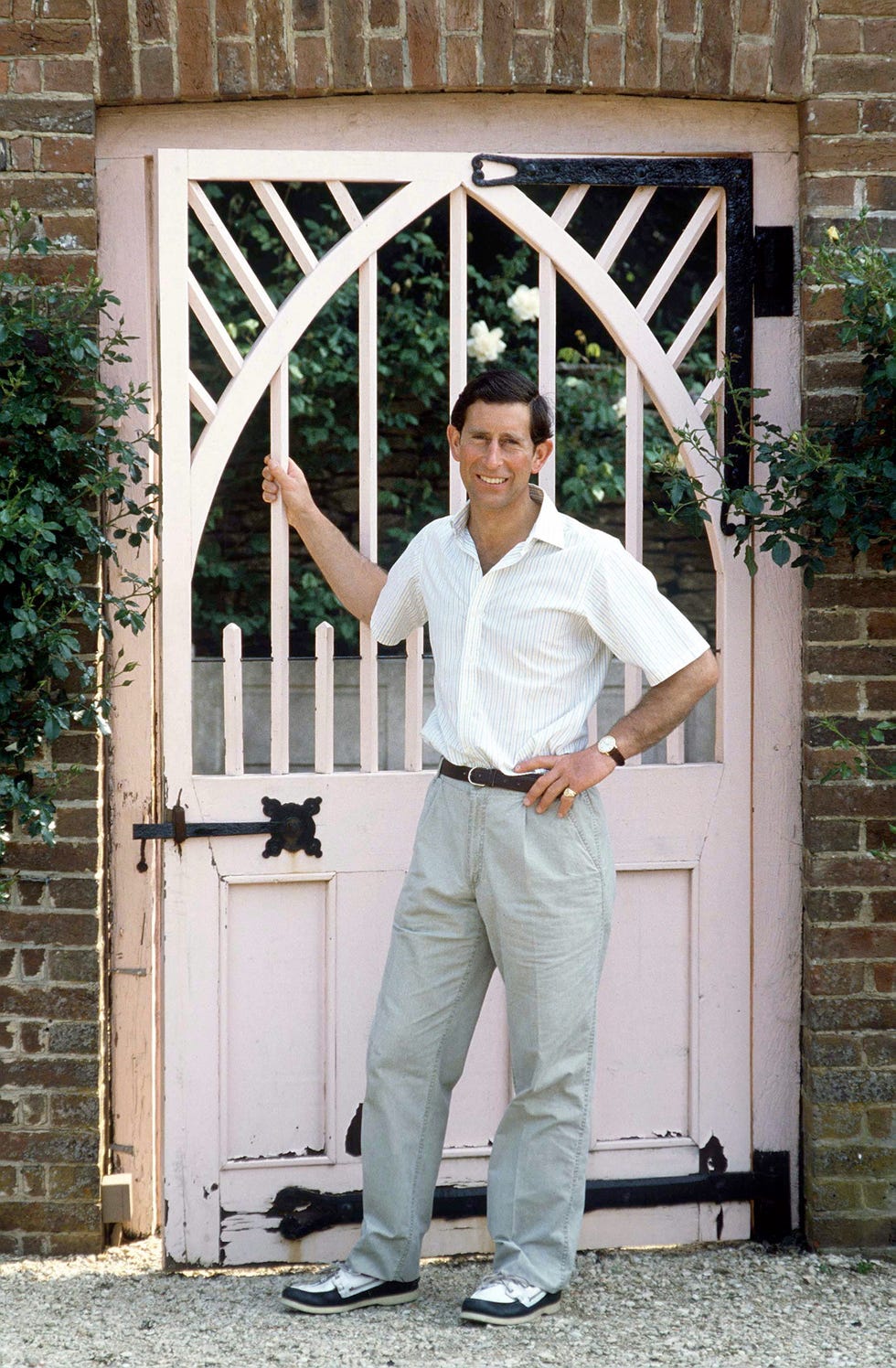
Charles poses in his gardens at Highgrove House in 1986.
Today, Highgrove is still a deeply personal residence. Although ownership transferred to Prince William when Charles became King and inherited the Duchy of Cornwall, the property is still used as the private country home for the King and Queen.
Beyond its architecture, Highgrove has been a testing ground for Charles’s environmental ideas. The estate uses a variety of sustainable systems, including solar panels, natural wastewater filtration, and energy-efficient infrastructure. Next to the house is Home Farm, a fully organic farm Charles established in 1985.
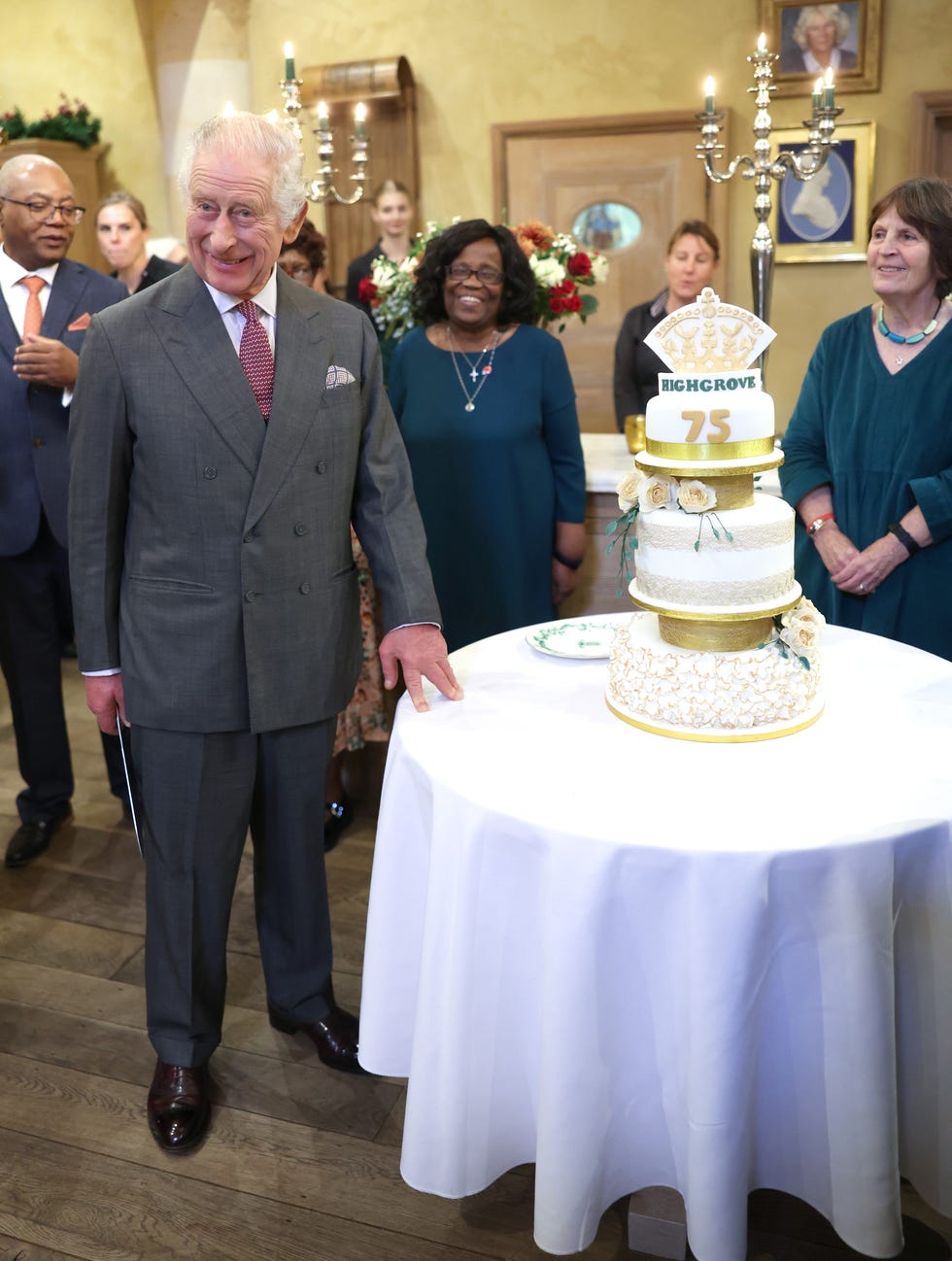 Chris Jackson//Getty Images
Charles celebrated his 75th birthday at Highgrove House in 2023.
The Gardens at Highgrove
When Charles arrived at Highgrove in 1980, the grounds consisted of pastures, lawns, and a neglected kitchen garden. Over the following decades, he worked alongside renowned horticulturalists, landscape designers, artists, and craftspeople to transform roughly 15 acres into a series of interconnected gardens that attract around 40,000 visitors each year.
“The garden at Highgrove really does spring from my heart and, strange as it may seem to some, creating it has been rather like a form of worship,” Charles wrote in 1993.
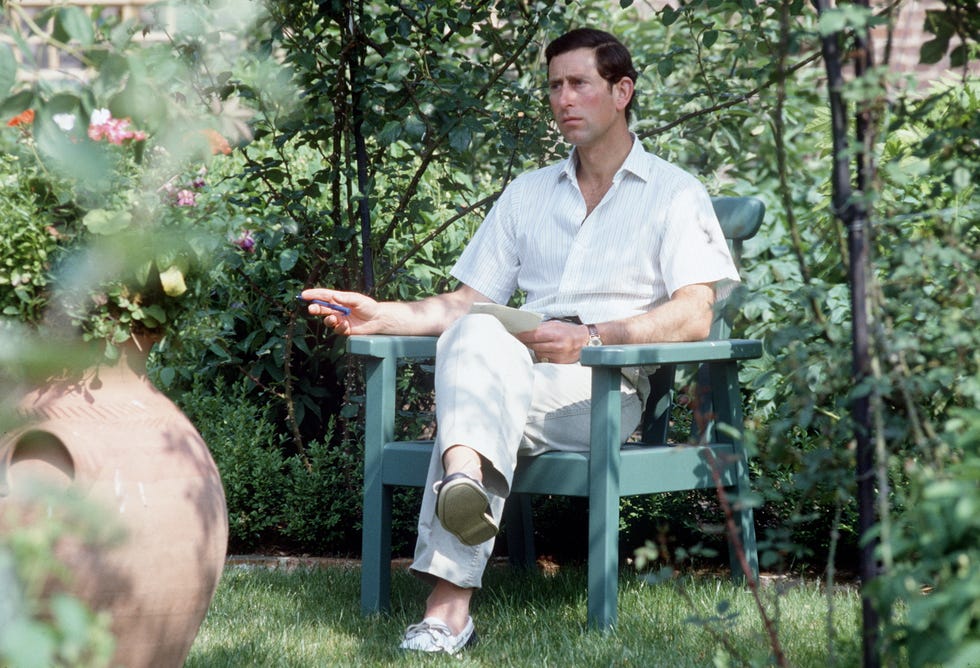 Tim Graham//Getty Images
Charles sits in his garden at the Highgrove estate in 1986.
One of the most beloved areas on the estate is the Cottage Garden, which Charles created with the late gardener Rosemary Verey. The space is split into Old and New Cottage Gardens and is filled with trees, shrubs, and flowers that bloom in every season. There’s an oak “summer house,” fashioned by carpenter Mark Hoare from a felled tree that grew on the estate, and it’s said to be one of the King’s favorite spots to paint watercolors. Nearby, a round Derbyshire gritstone bench circles a shaped yew tree, and an Indian bean tree given to Charles by Elton John still grows among the other plants.
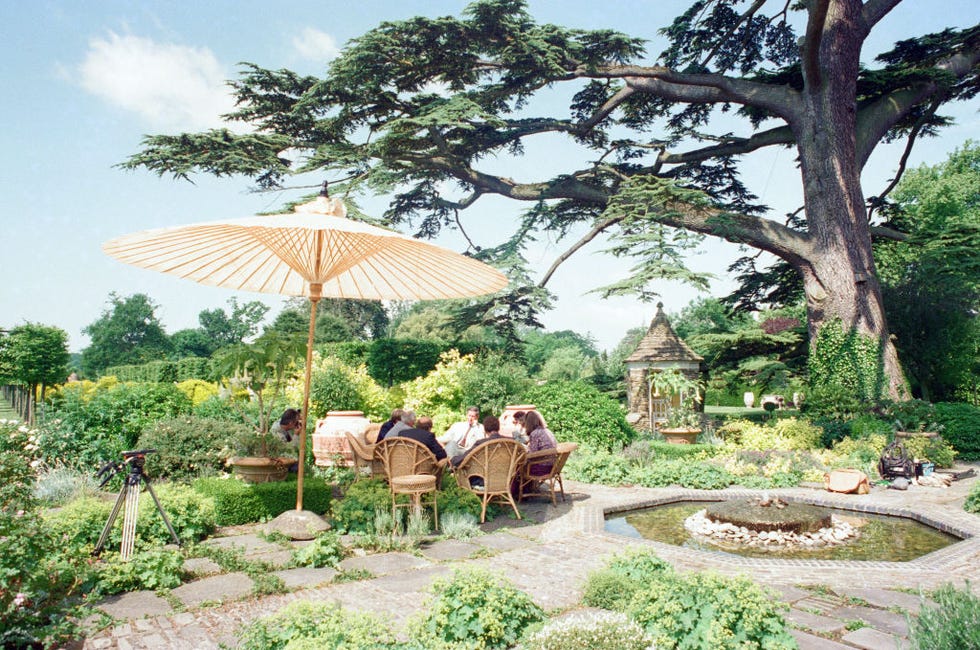 Mirrorpix//Getty Images
Charles was interviewed by members of the Welsh press in the Highgrove Gardens in 1994.
The Sundial Garden started out as a rose garden designed by Lady Salisbury and has become one of the most eye-catching parts of Highgrove. In early summer, tall delphiniums fill the space, supported by willow frames and surrounded by neatly trimmed yew hedges. Small openings in the hedges reveal busts of Charles at different ages. The sundial that gives the garden its name sits in the middle, and old wrought-iron gates with the Prince of Wales’s feathers finish the look.
One of the most enchanting areas is the Stumpery, a woodland made from upturned tree stumps and planted with ferns, gunnera, and other floras that enjoy shade. Hidden in the greenery is a treehouse that was built for Princes William and Harry in 1988. Known as Holyrood House, a nod to the monarch’s residence in Edinburgh, this playful structure has since been refurbished.
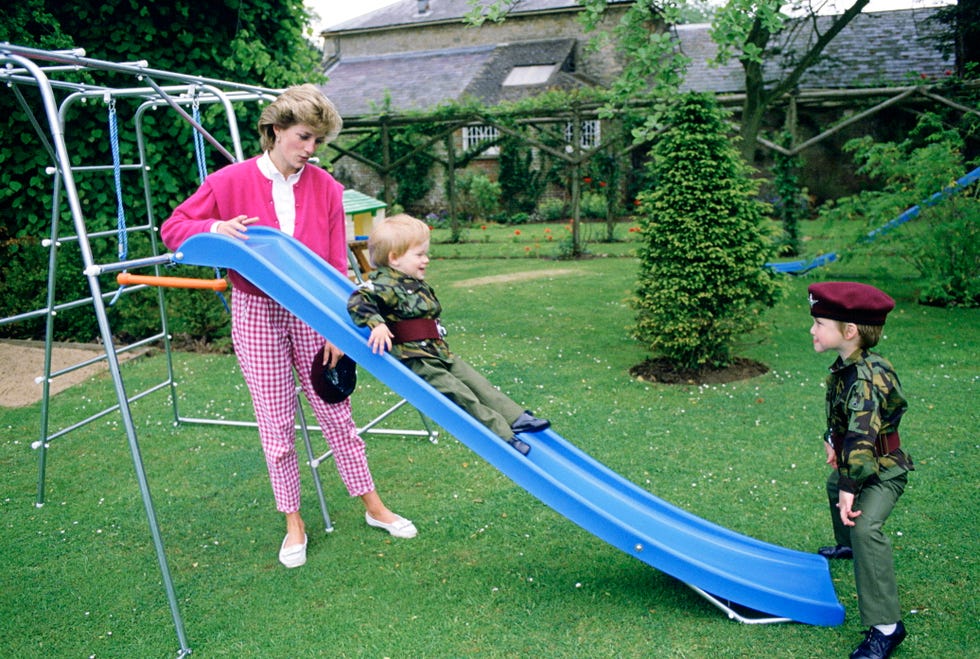 Tim Graham//Getty Images
Diana plays with Harry and William in their Highgrove yard in 1986.
In other parts of the gardens, visitors can stroll along Thyme Walk, which is lined with fragrant herbs and topiary. There’s also the Kitchen Garden, designed to look like the crosses of Saint George and Saint Andrew from above, as well as orchards. Hidden in the arboretum is one of the estate’s most secluded spots, a quiet retreat called the Sanctuary. Made from Highgrove clay and barley straw, this structure was built in 1999 to celebrate the millennium and is not open to the public.
Notably, the lush gardens also showcase Charles’s commitment to biodiversity. Highgrove’s wildflower meadow contains approximately 120 plant species and supports dozens of beehives, while seeds from 27 native wildflower species growing there have been preserved in Norway’s Svalbard Global Seed Vault. Throughout the estate, habitats for birds, pollinators, and other wildlife reflect Charles’s approach to harmony with nature.
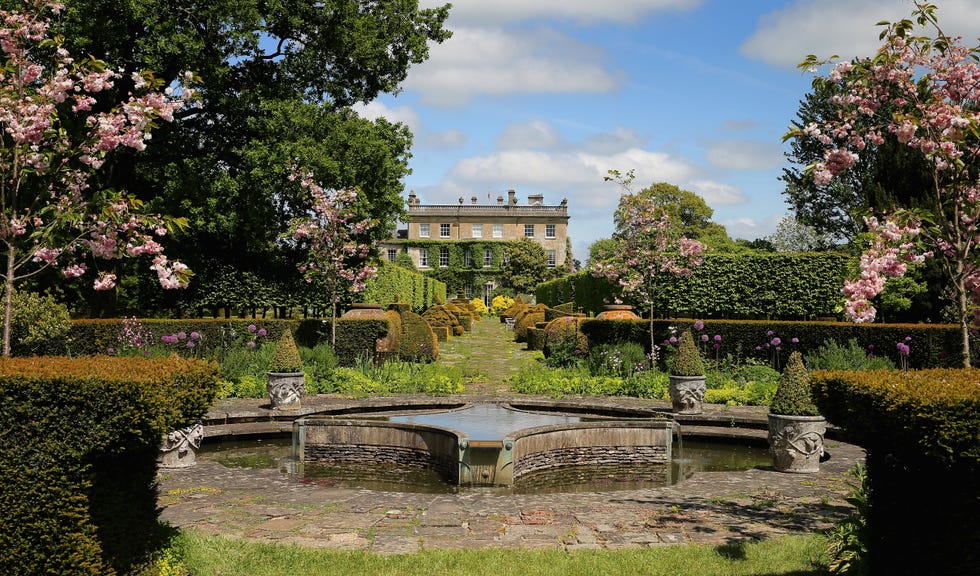 Chris Jackson//Getty Images
The gardens at Highgrove House.
Sustainability continues to be a key part of Highgrove’s operations. Composting systems turn garden and kitchen waste into useful material, renewable energy helps power the estate, and special filtration systems handle wastewater from visitors.
For Charles, the gardens represent decades of experimentation, learning, and personal expression. As he once said, “One of my great joys is to see the pleasure that the garden can bring to many of the visitors and that everybody seems to find some part of it that is special to them.”

Brea Cubit is an award-winning journalist who covers culture, entertainment, fashion, business, and more. When she’s not writing and editing, she enjoys listening to live music, binge-watching nostalgic TV, and shopping at artisan markets.