
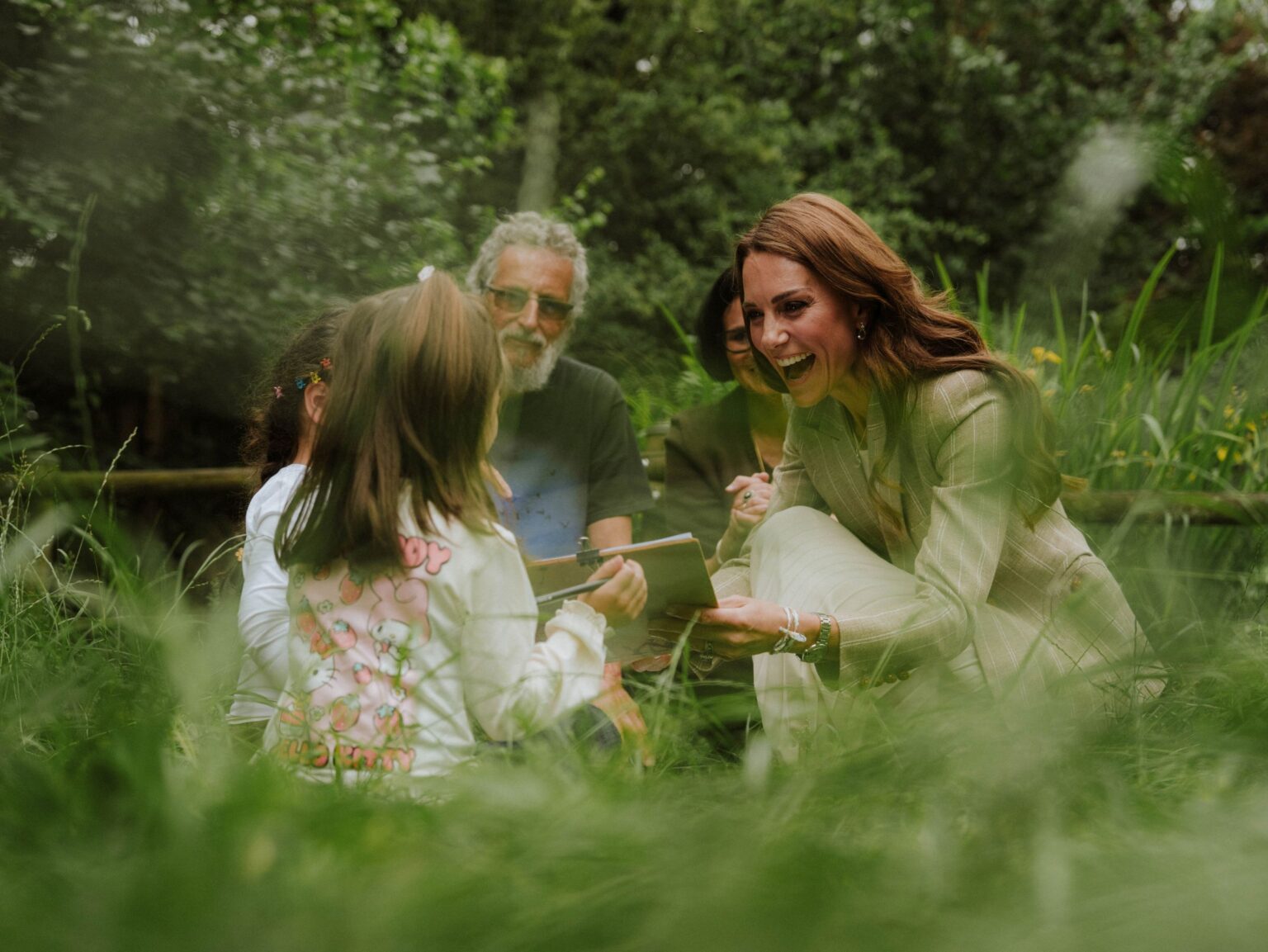
These foundational qualities help us relate to others, understand our place in the world, and ultimately find meaning in life. All of them echo a way of being we knew instinctively in childhood, marked by openness, curiosity and emotional immediacy.
What makes childhood so special? It is often described as a time of innocence, but perhaps what we are really sensing is something deeper. Before they learn to separate thought from feeling, or become inhibited by self-awareness and social expectation, there is a kind of openness that feels both intuitive and whole. They move naturally between imagination and reality, instinct and expression, presence and connection.
What we recognise in them is not only innocence, but a way of being in which mind, body, and spirit exist quietly together through the felt world.
In this sense, childhood can be understood as the state in which we come closest to our true selves. As life unfolds, we learn to organise, interpret and make sense of the world through structure and language. These are essential and valuable skills, but they can also create distance from that early sense of connection. We become more aware of how we are seen, more careful in how we express ourselves, and often less anchored in that natural state of openness. Perhaps this is why so many of us, at different moments in life, feel drawn back toward stillness, toward nature, toward creativity and reflection.
Childhood, then, is not only a beginning: it is also a reference point. A reminder of our true nature – and one that, even as adults, we might try to rediscover.