
Happy Sunday (or Monday, as I’m a little late today), and welcome to a new edition of “This Week, In a Galaxy Far, Far Away“. The period of Star Wars news drought continues, but I’m trying to make up for it tonight with my own version of a studio mandate for Lucasfilm to try to get back on its feet.
We’ll get there, but first, make sure to check out Josh’s latest Character Spotlight on Carson Teva, the special sauce that was (for the most part) missing from The Mandalorian and Grogu. There was also no live show this week, as SWNN Live! is now on an early summer hiatus. We’ll be back in a few weeks.
Remember that you can sign up for our Discord server here. Let’s begin.
Three Things That May Have Flown Casual
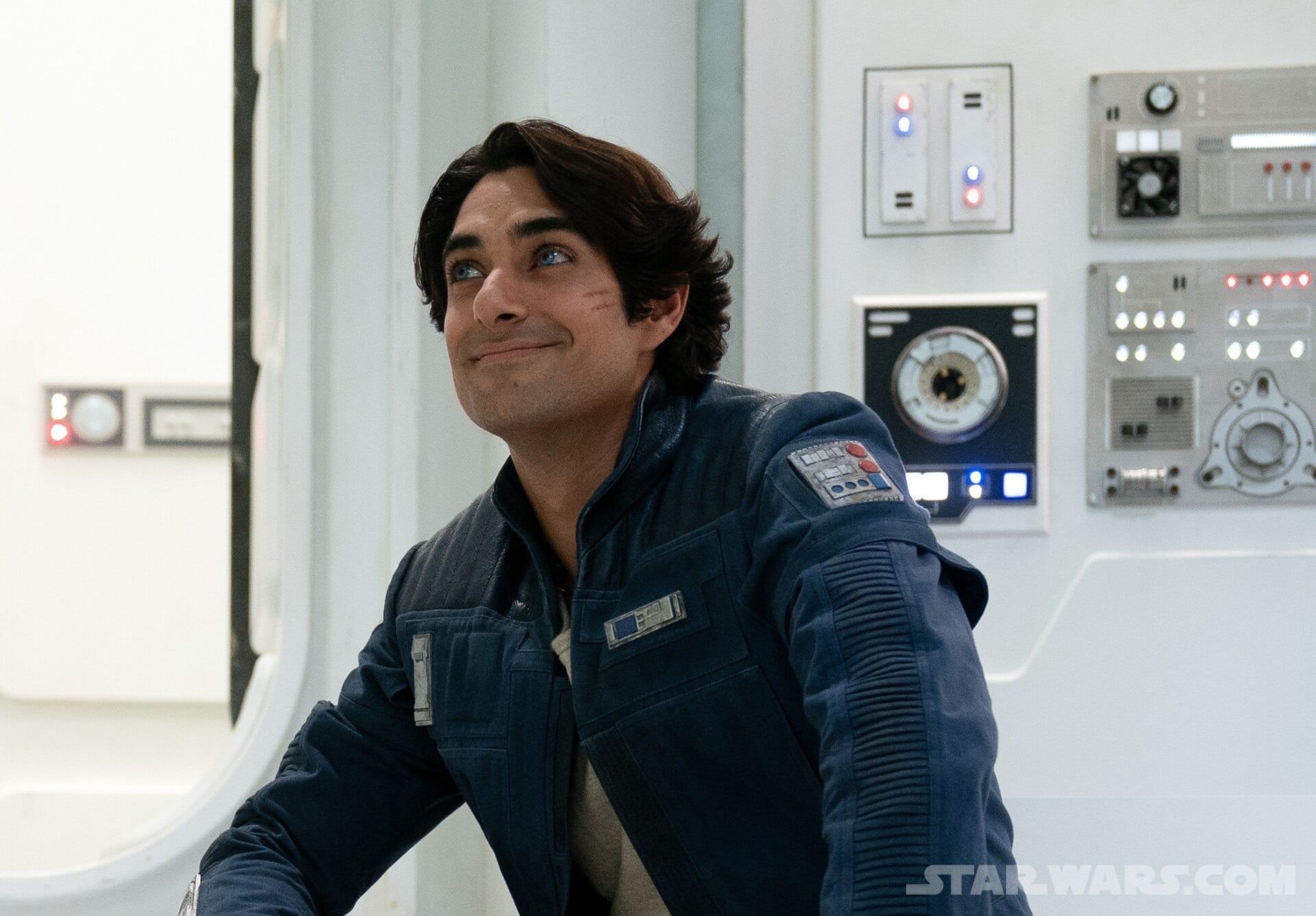
Everyone loves their job: Matt Smith is the latest Starfighter actor to be hyping up Shawn Levy’s summer blockbuster, adding that a very early cut of the film already exists. Similarly, Eman Esfandi also shared his excitement about the new season of Ahsoka, which he is a much bigger part of.
Everyone loves the Minions… Well, maybe not everyone, but I bet you didn’t expect to learn this weekend that George Lucas actually does, and he even voiced a role in the upcoming Minions and Monsters!
Publishing updates: We have a preview for September’s comic-book releases. Most noticeably to me, the slate includes the first issue of The Fall of Kylo Ren.
Five Studio Mandates for Lucasfilm
On Tuesday evening (US time), reporter Jeff Sneider took to his newsletter to share bits of a 19-page document allegedly compiled by an agency or management company with their recommended studio mandates for this year. It also contained some instructions for Lucasfilm — though it’s unclear whether this would have been put together before or after The Mandalorian and Grogu was released. I would assume before.
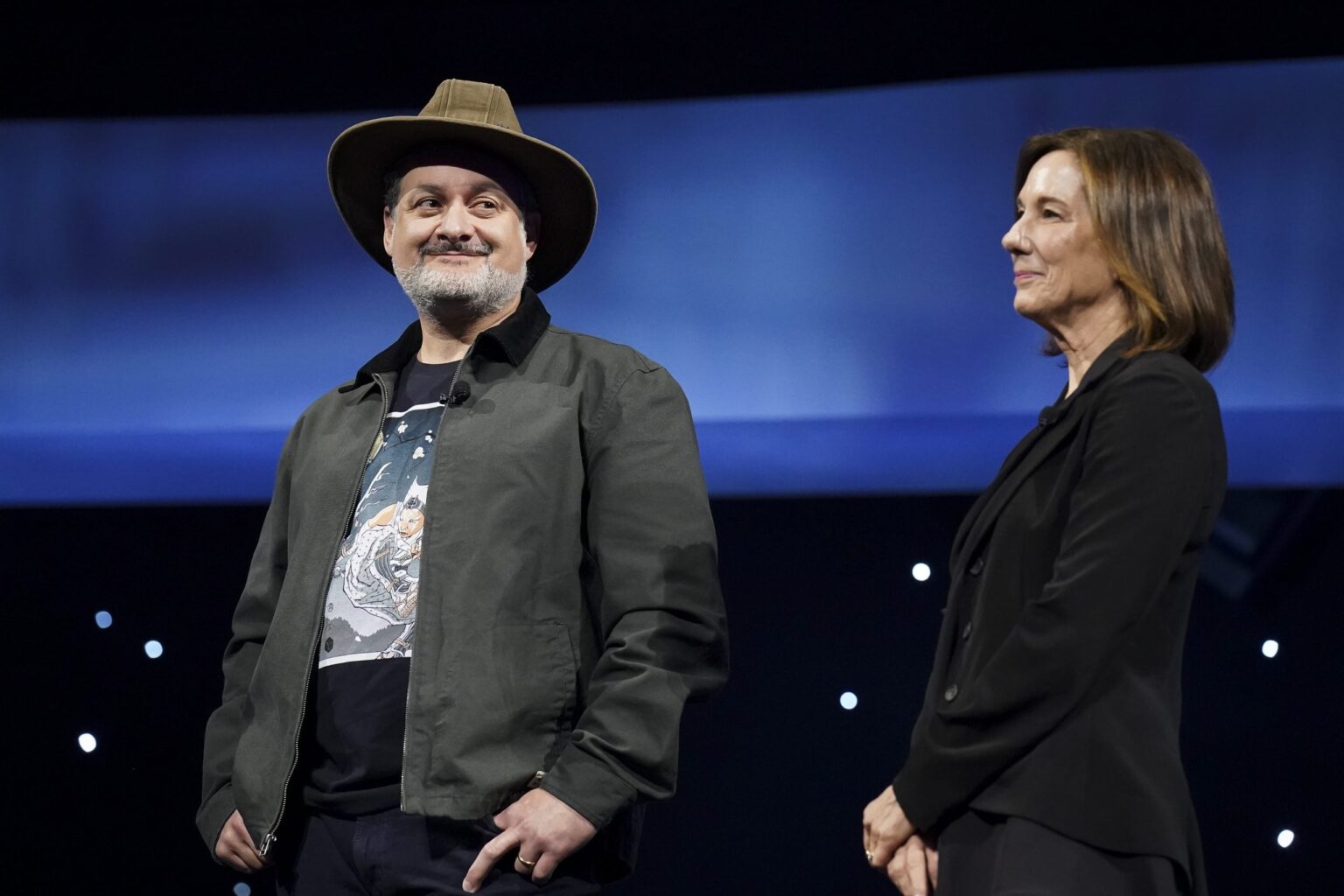
We didn’t report this for a couple of reasons. Most importantly, these are not even Disney’s mandates; just recommendations from an external company that Lucasfilm may or may not listen to. They also contain rather obvious stuff, like pointing out Dave Filoni and Lynwen Brennan must “balance aspirational storytelling with engaging the next generation of fans.” You think?
But I am also not entirely sure of the validity of the document. For starters, Sneider even started the piece saying there was some infomration in there about a top-secret Star Wars project that he then fact-checked was not real. Why would that be in there? At first I thought he was being played on. (Lucasfilm also did not respond to him when given a chance to comment.) He followed up the first piece with another on Paramount, among others, where he said he’d spent the afternoon fact-checking the contents of the document, adding that it also contained information on the new Survivor project that would be announced after he got access to the document.
Whether the document was real or not, it doesn’t really matter. But it did give me an idea for today’s column, where I give five recommendations to Lucasfilm on how to approach the next few years. Here they are:
Move away from the Skywalker Saga. We start off with a complicated one, as the only project that Lucasfilm, during the Disney era, has released so far outside of the Skywalker Saga timeline (Episodes I-IX) is The Acolyte, which did not work — but for totally different reasons (poor writing). I think they will find success in Starfighter and Simon Kinberg’s trilogy because of this, but they shouldn’t stop there. I think the key to monumental Star Wars success is the Old Republic, whether that is actually going 2,000 years into the past, or recreating the conditions of that time period, but decades after The Rise of Skywalker.
A new movie every Christmas. Under Disney, Lucasfilm has released six theatrical movies; two on the traditional Star Wars window of Memorial Day Weekend, and four right before Christmas. Can you guess which four movies grossed $1 billion, and which two didn’t cross $400M at the box office? This is not a recipe for success, and there are obviously additional circumstances going into each of these releases. But audiences were at least aware that Star Wars was something special, just like Christmas. We don’t need to oversaturate the market, and we also don’t many years between movies anymore. An alternative would be to follow Illumination’s modus operandi, and release a new movie every other year, to still feed your fanbase but don’t seem to think they are hungrier than they really are.
Story is king. I’m a bit fed up with these marketing plays surrounding most of Jon Favreau’s Star Wars stories highlighting the practical effects that went into the new movie or TV show, or how they brought back this unused ship from the original trilogy or that unused model from this other thing. It’s as if the crafts or the lore tie-ins became more important than actually making an enjoyable movie, or even worse, as if that’s what made it an enjoyable movie in the first place. It’s not. We don’t love the original trilogy because of how it revolutionized special effects; we love it because of the story it told while doing so. The narrative of “This is Jon Favreau playing with his toys in his garage” is starting to feel very flat; it’s as if we were focused on George Lucas saying that these stories are for the kids while forgetting that what has made them last for 50 years is that we can take as much away from them when being adults.
Challenge yourself. Audiences are growing tired of being taken for granted. The reason why Chris Nolan’s fanbase is growing, while Marvel’s is dwindling, is because one puts out something new and exciting every time, and the other is simply recycling the same template for a plot. Solo, The Rise of Skywalker, and The Mandalorian and Grogu are pretty risk-averse stories. But Star Wars has never been that. A New Hope succeeded by challenging the status quo of movies at the time; The Empire Strikes Back flipped it on itself. The prequels were controversial for many reasons, one of which was that Lucas decided to tell a different kind of story. Even The Force Awakens, as safe a movie as it is, decided to sideline the original trilogy characters in favor of a new generation; Rogue One also decided to take some risks with its characters when it woke up from the comma that was its first hour, and Andor succeeded by doubling down on that premise. And yes, even The Last Jedi made $1.3 billion, an undeniable success.
Don’t forget to inspire hope. No matter how grim any Star Wars story has been, there has always been a glimmer of hope at the end. The Empire Strikes Back ends on a pretty dark place, but the last shot was able to communicate that with our friends by our side, we could take on an Empire. The Last Jedi killed everyone’s childhood hero and ended with the sending of a message that was probably not received by anyone in the galaxy; and yet, that little broom kid still put a smile on my face at the end. Even Andor, as dark as it got near its end, managed to make a case for a barely organized little militia being able to topple a fascist regime. I could go on. This will not make your new Star Wars movie good, but it will take it from a good movie to an unforgettable experience.
What did you think of the latest edition of “This Week, In a Galaxy Far, Far Away”? Let me know your thoughts and suggestions down below in the comment section. You can also send them, or reach out with any information tips, directly via our Contact page.
Have a great week!

Miguel Fernández is a Spanish student that has movies as his second passion in life. His favorite movie of all time is The Lord of the Rings, but he is also a huge Star Wars fan. However, fantasy movies are not his only cup of tea, as movies from Scorsese, Fincher, Kubrick or Hitchcock have been an obsession for him since he started to understand the language of filmmaking. He is that guy who will watch a black and white movie, just because it is in black and white.