
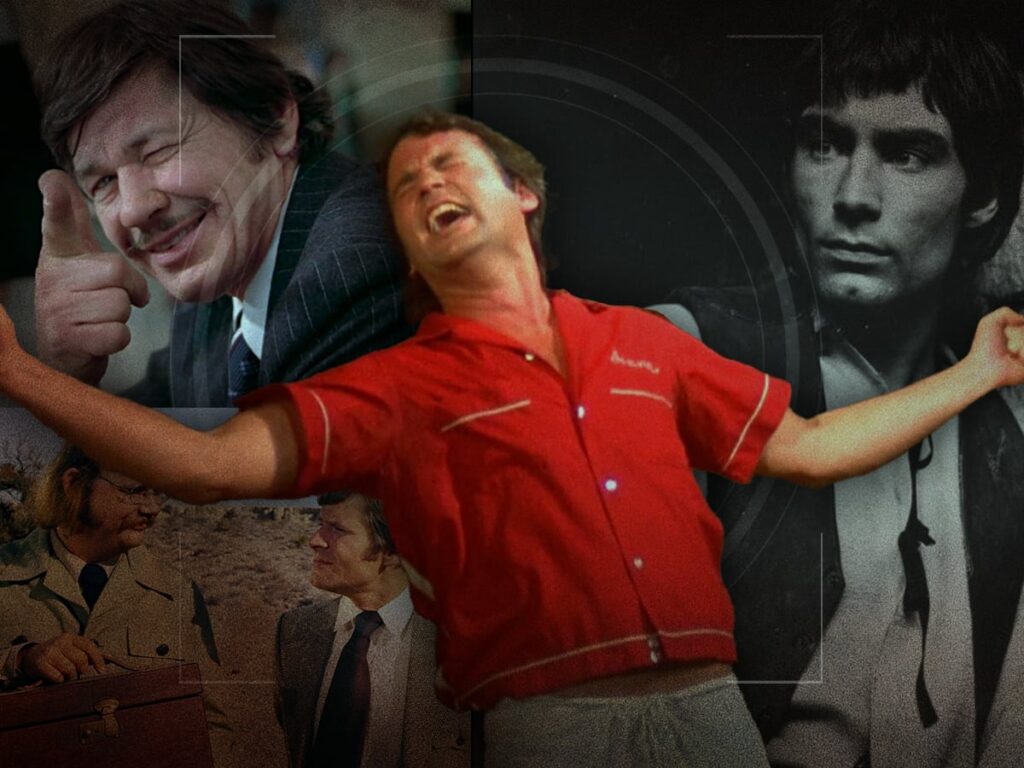
Paul in ‘Last Tango in Paris’ (Bernardo Bertolucci, 1973)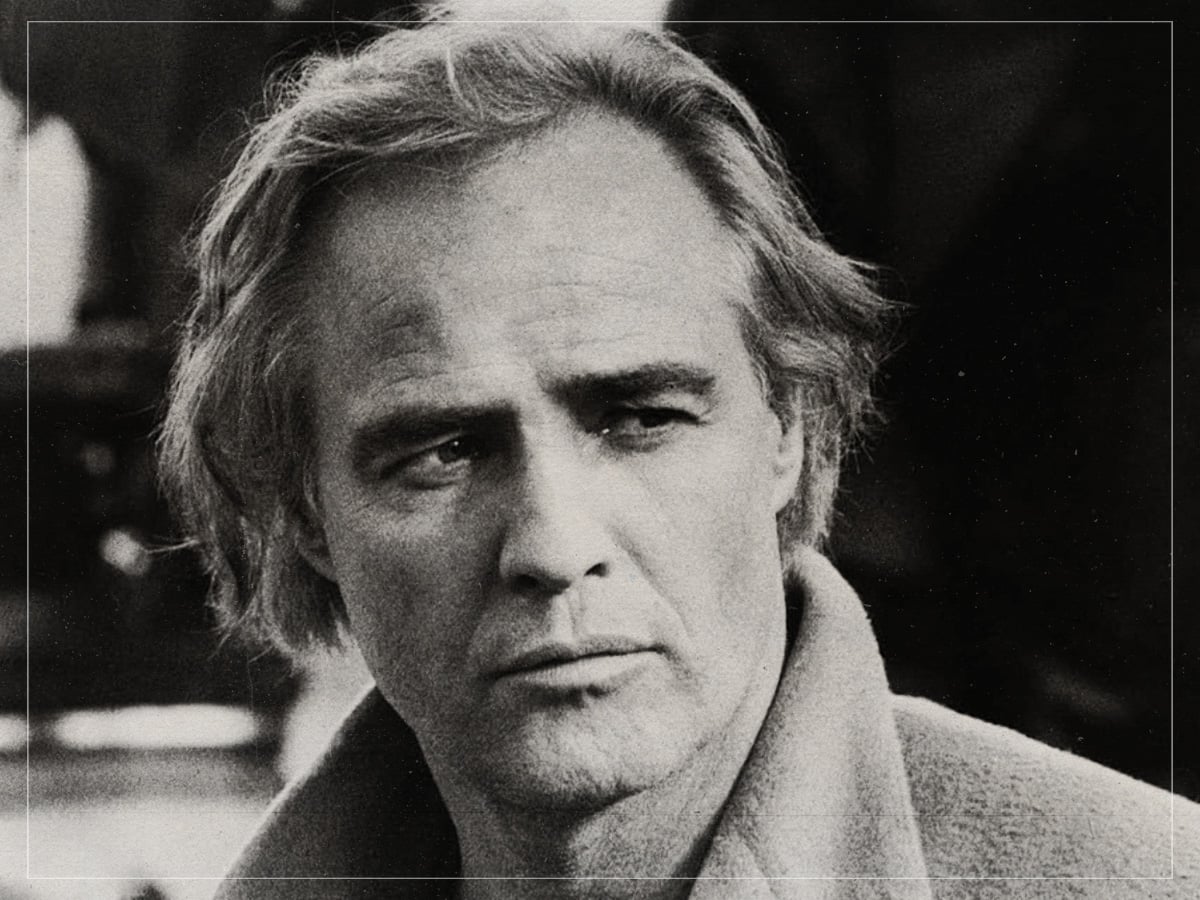
Marlon Brando and director Bernardo Bertolucci were involved in a controversy during the making of the erotic drama Last Tango in Paris that continues to generate backlash over the alleged abuses on set. A scene called for Brando’s character, Paul, to rape his young lover, Maria Schneider’s Jeanne, using butter as a lubricant, but Bertolucci wanted the female actor’s honest reaction.
Although she was aware that the scene would be intimate, she was not informed about the butter beforehand, meaning that Schneider’s consent had been violated. While Brando revealed that he later attempted to apologise as he felt ashamed for going along with Bertolucci’s intentions, it doesn’t change that Schneider was traumatised by the incident, and was nearly 30 years younger than him at the time. It’s instances like this that sparked the need for intimacy coordinators in the 21st century.
Mr Wint and Mr Kidd in ‘Diamonds Are Forever’ (Guy Hamilton, 1971)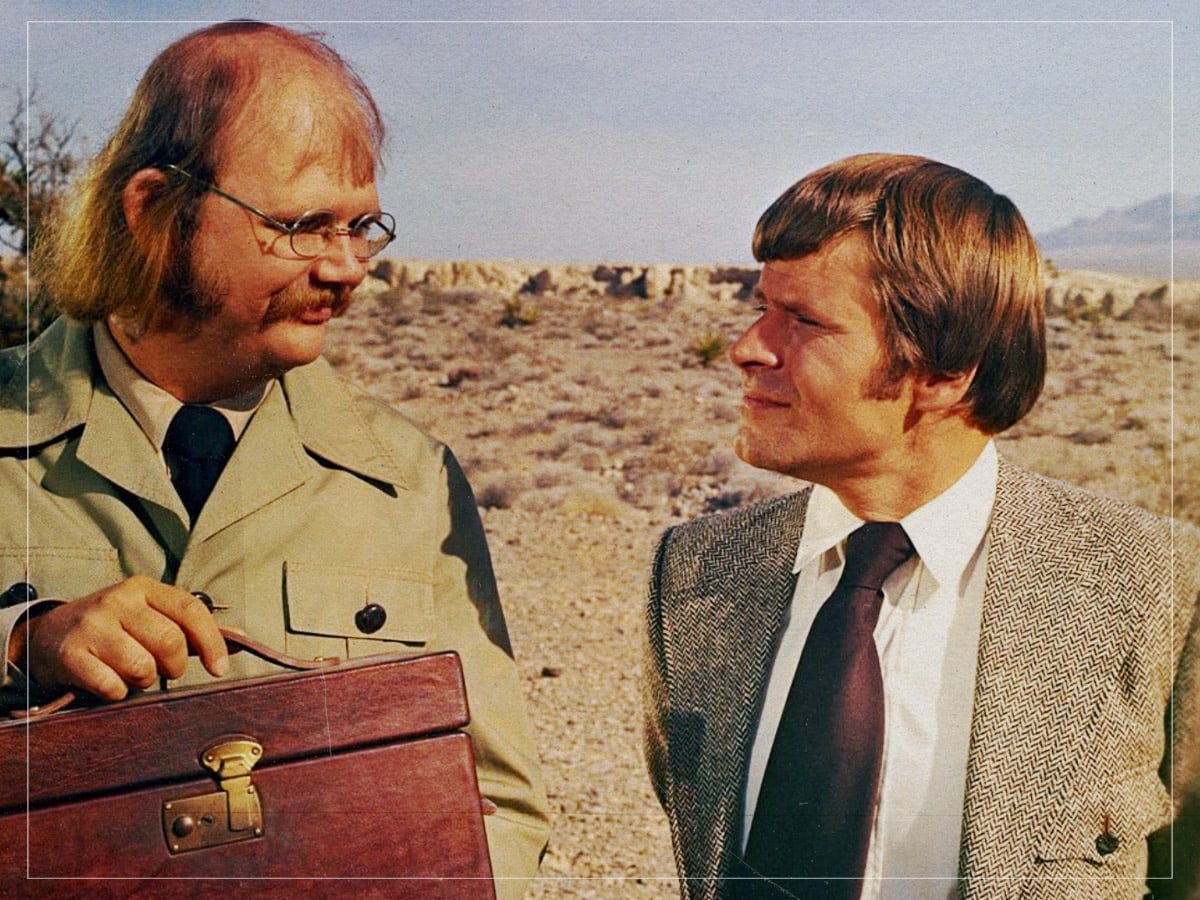
James Bond has had multiple problematic moments as a franchise over the years, but Diamonds Are Forever was a particularly weak one for the series. It was after audiences lashed out at George Lazenby’s interpretation of the character in the masterpiece On Her Majesty’s Secret Service that EON convinced Sean Connery to return for one more film, which would be much broader and sillier than anything that came before.
Although the film inexplicably featured the return of Blofeld, despite his implied death in You Only Live Twice, it also cast Bruce Glover and Putter Smith as Mr Wint and Mr Kidd, respectively, who are henchmen implied to be lovers. The film is already fairly outdated in its depiction of women and people of colour, but the extra touch of homophobia only makes Diamonds Are Forever worse when reassessing the entire franchise.
Tracy in ‘Manhattan’ (Woody Allen, 1979)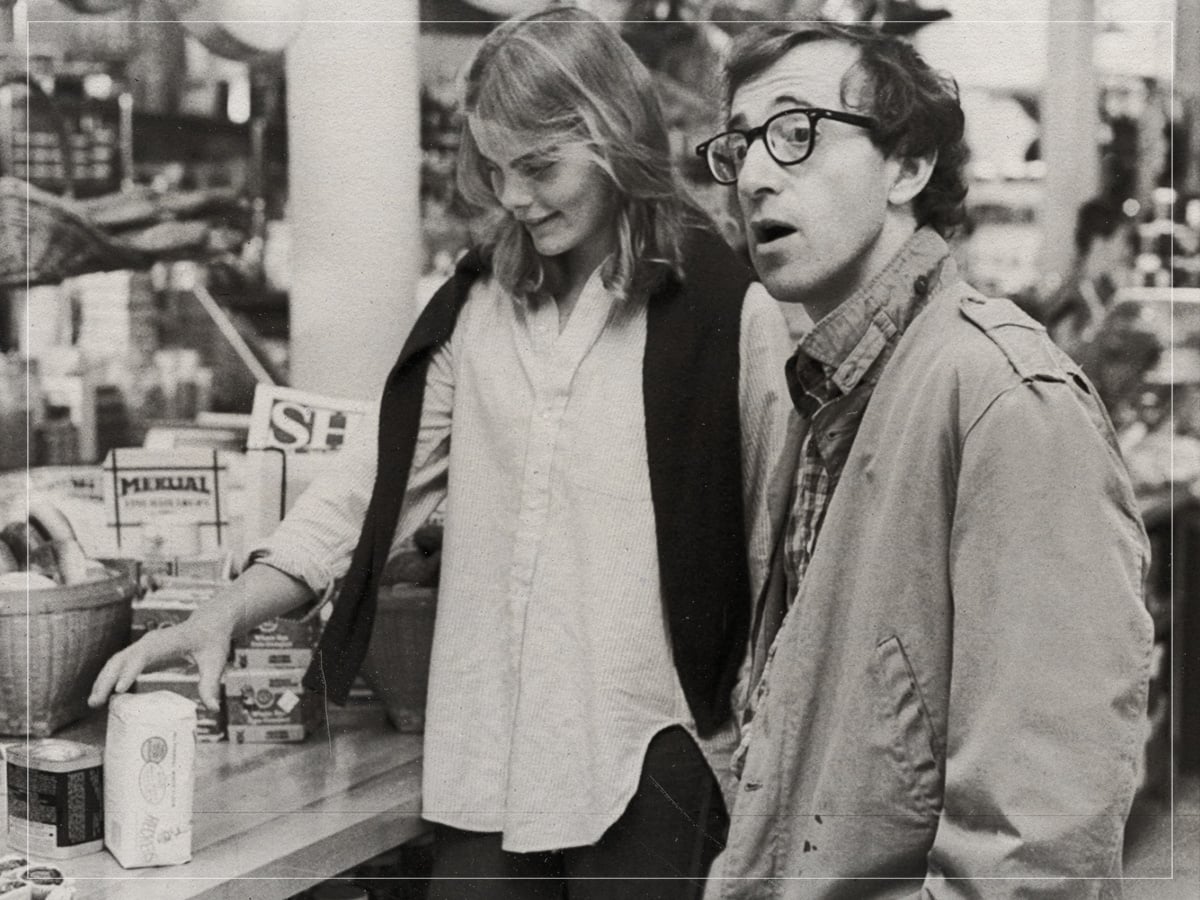
The controversies that continue to surround Woody Allen mean that virtually all of his films are problematic in one way or another, but Manhattan is perhaps the most disturbing in terms of its parallels to real life. Allen plays Isaac Davis, a comedy writer in New York, who is currently dating the 17-year-old Tracy, played by Mariel Hemingway in a performance that earned her an Academy Award nomination for ‘Best Supporting Actress’.
That the film makes light of this relationship is troubling, especially since Isaac idolises Tracy’s innocence before abandoning her because he is in love with Mary, played by Diane Keaton. Although the sexualisation of teenage girls is sadly a theme that is present in many of Allen’s films, and would obviously come back to haunt him, Manhattan is particularly bad because he allegedly tried to make a pass at Hemingway in real life.
Commander Akiro Mitamura in ‘1941’ (Steven Spielberg, 1979)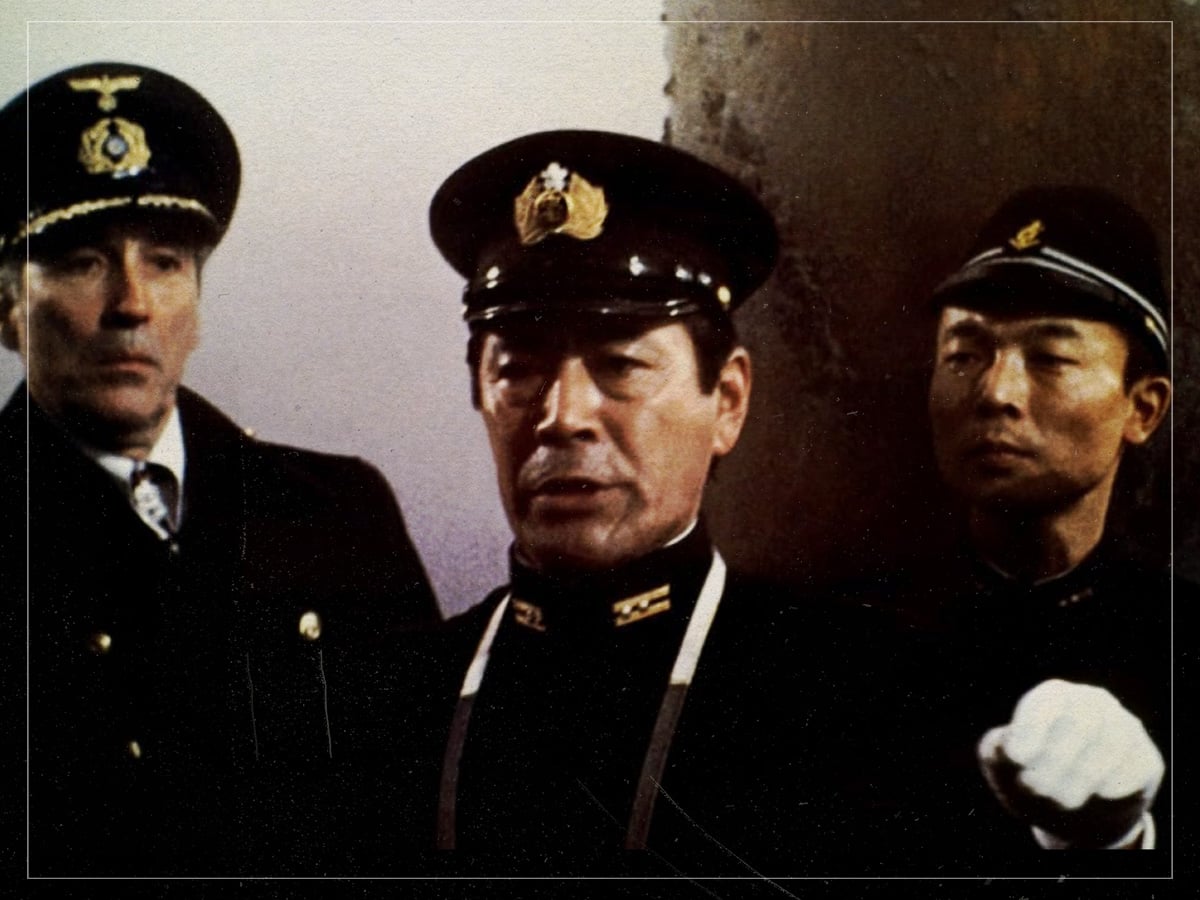
Steven Spielberg has had such an unprecedented level of success in the industry that his few misfires stick out like sore thumbs. It was after directing two stone-cold masterpieces in a row with Jaws and Close Encounters of the Third Kind that Spielberg attempted to make a raucous comedy with 1941, a satirical look at the bombing of Pearl Harbour that initiated the United States’ involvement in World War II.
1941 is more unfunny than it is offensive, as Spielberg overworks the film’s gags to such an alarming degree that the experience becomes weightless. Nonetheless, casting the legendary Japanese actor Toshira Mifune as the stereotypical villain Commander Akiro Mitamura felt like a complete misuse of a great talent, and a slap in the face to the more grounded films he made about Japan in the aftermath of World War II with director Akira Kurosawa.
Paul Kersey in ‘Death Wish’ (Michael Winner, 1974)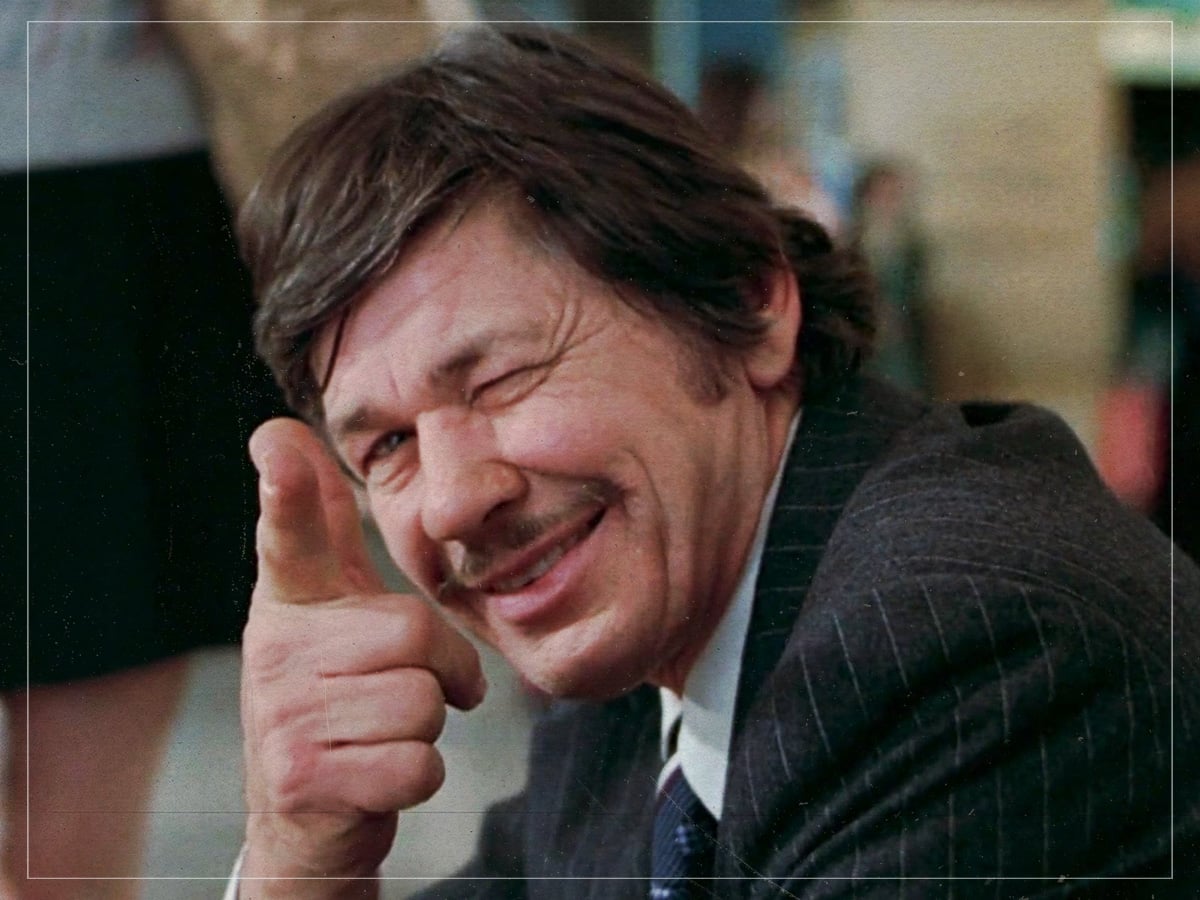
Charles Bronson was a former war hero and bit part actor who got a chance to become a star with Death Wish, a shocking vigilante revenge thriller that turned into a sensation, playing Paul Kersey, a mild-mannered architect whose wife is killed by a vile gang of criminals, which leads him to pursue justice on his own when the cops prove to be incompetent.
Although Death Wish may have begun as a commentary on the perseverance of violence in society, it was transformed into a right-wing fantasy about a vigilante who tracks down suspected criminals, most of whom belong to some sort of racial minority. The fact that the film was a success led to four sequels in which Bronson reprised his role, as well as a poorly timed remake in 2018, where Bruce Willis took over the role of Kersey.
Kenickie in ‘Grease’ (Randal Kleiser, 1978)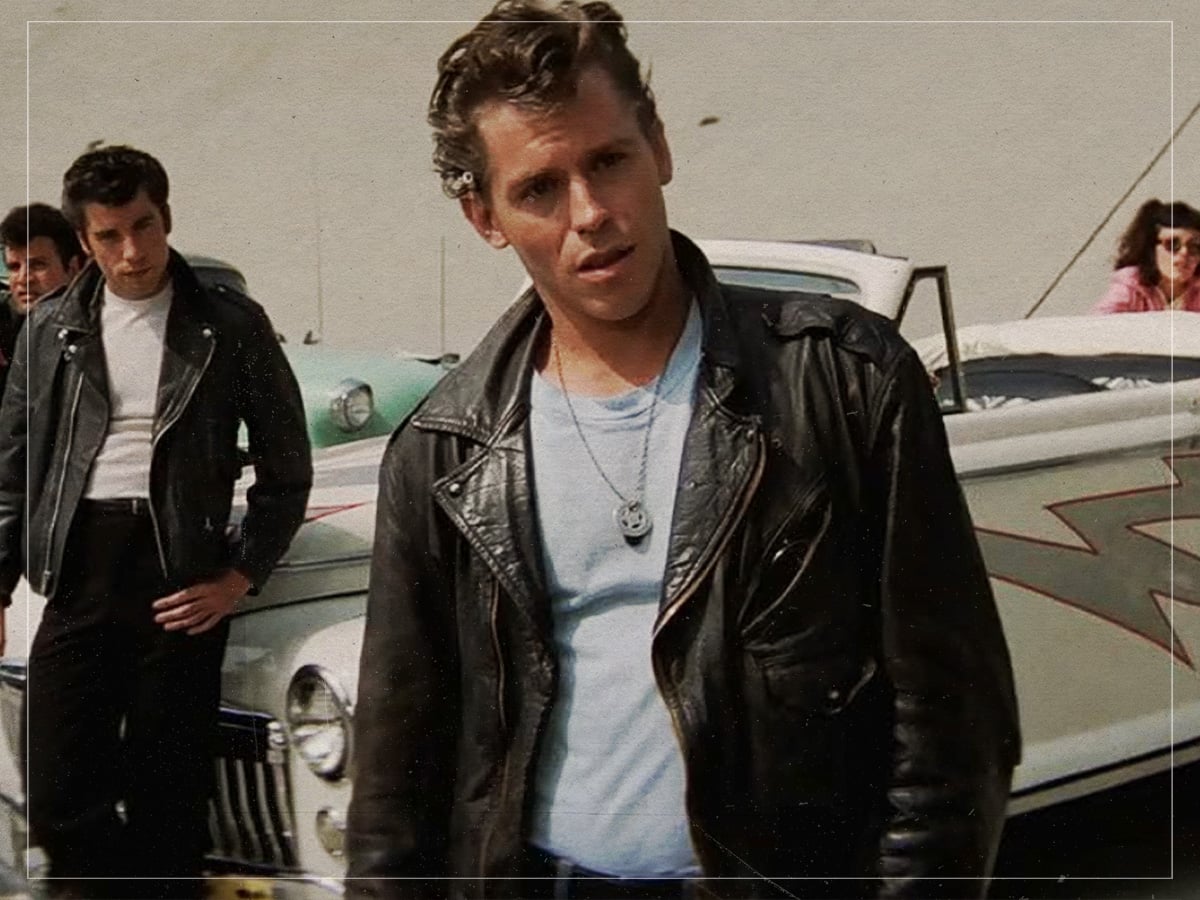
Grease became the biggest hit musical of the ‘70s and landed a hit soundtrack, turning John Travolta and Olivia Newton-John into icons of both cinema and music. Although there is a lot about Grease that is dated, most of it can be explained by the fact that it is set in a heightened, satirical version of the ‘50s that’s based on the cultural idolisation of the era.
That being said, the character of Kenickie, played by Jeff Conaway, the best friend of Travolta’s Danny, has stoked controversy for a line in the song ‘Summer Nights’, in which he says ‘Did she put up a fight?’ when referencing Sandy. The line was altered in many of the subsequent television broadcasts of the film, and has since been changed in both staged musical performances and the Grease Live television event that aired for the film’s anniversary.
Oliver Barrett IV in ‘Love Story’ (Arthur Hiller, 1970)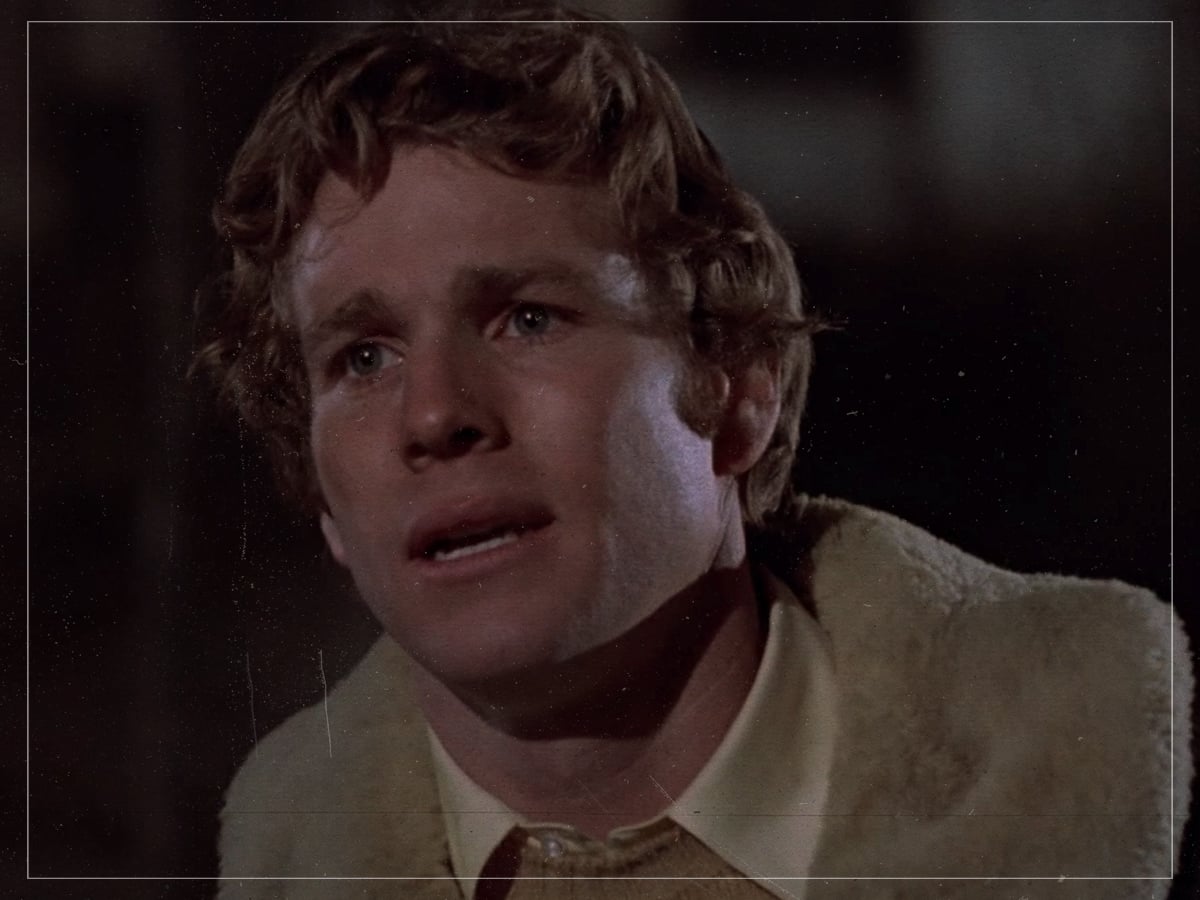
Ryan O’Neal may have already been a problematic figure in real life, but he’s actually not why Love Story has aged so poorly. The film is an incredibly cloying, melodramatic romantic drama that promotes unhealthy standards about relationships, and O’Neal’s character, Oliver Barrett IV, is an entitled brat who never has a healthy dynamic with his girlfriend, Jenny Cavilleri, played by Ali McGraw.
The line “Love means never having to say you’re sorry” embodies the ridiculous double-standards at play in Love Story, which was based on a national bestseller and became the biggest film of its year. While there are plenty of older romance films that don’t hold up to scrutiny, Love Story’s success taught an entire generation the wrong lessons and might very well be to blame for the current popularity of other romance authors like Nicholas Sparks and Colleen Hoover.
Tripper in ‘Meatballs’ (Ivan Reitman, 1979)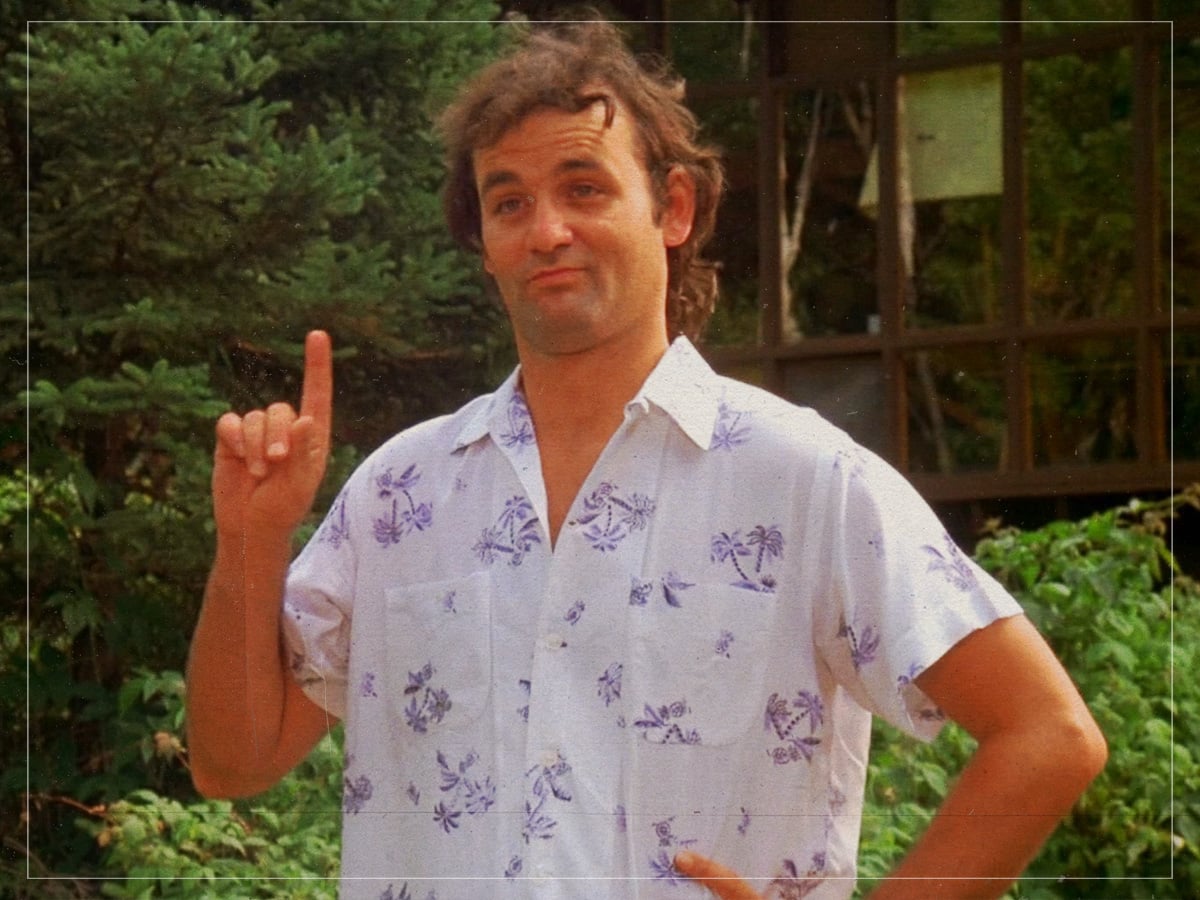
Bill Murray had a fairly good relationship with director Ivan Reitman, who would later give him his career-defining role in Ghostbusters, but neither had really refined their comedic craft at the point when they made Meatballs, one of the first films to capitalise on the popularity of the Saturday Night Live success.
The raunchy comedy about camp counsellors leading a camp had the makings of a fun slapstick film like Animal House, but it’s a bit too mean-spirited and gross, with Murray’s character Tripper being a particularly intolerable aspect. Tripper harasses his female colleagues and needlessly puts kids in danger; it might have been funny if he had been adding some sort of sarcastic edge to the performance, but Tripper doesn’t have any of the charm or intelligence that made Peter Venkman so perfect in Ghostbusters.
Heathcliff in ‘Wuthering Heights’ (Robert Fuest, 1970)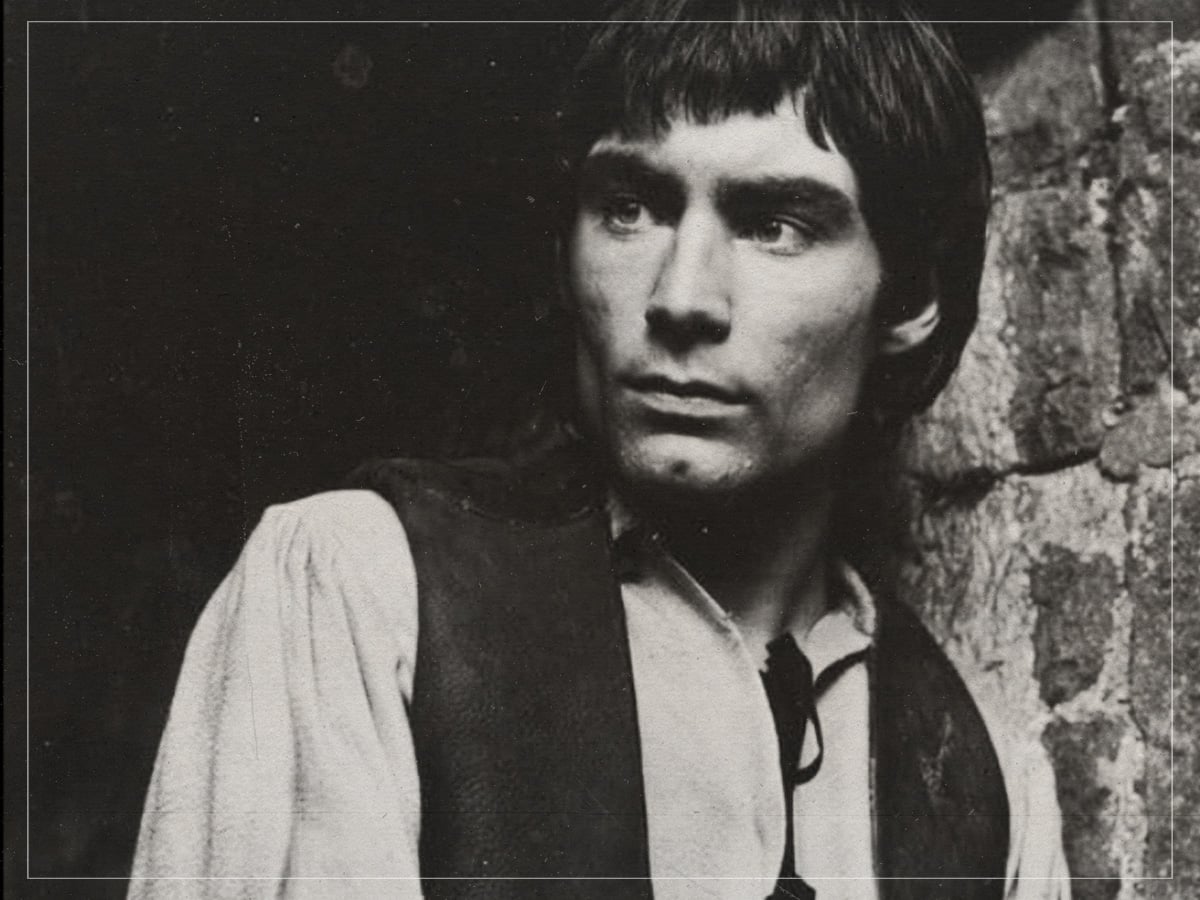
Wuthering Heights has gone through many cinematic adaptations, none of which have fully captured the essence of the novel, but the 1970 version directed by Robert Fuest is by far the most dull. It’s a major issue when a film based on one of the subversive, heartbreaking psychological romantic dramas of all time is given a G-rating, as Furst’s Wuthering Heights is afraid to have any edge.
By sanding off the film from anything deeper, Timothy Dalton’s Heathcliff seems to be just a tragic figure and a failed romantic lead, and not the abusive, cruel character that emerges in the novel. Wuthering Heights is a complex story of race, class, status, and social hierarchies, and to remove the obsessive emotions from Heathcliff’s fixation on Catherine Earnshaw completely misses the point of what Emily Brontë was trying to say with her only novel.
Shun Gon in ‘The Aristocats’ (Wolfgang Reitherman, 1970)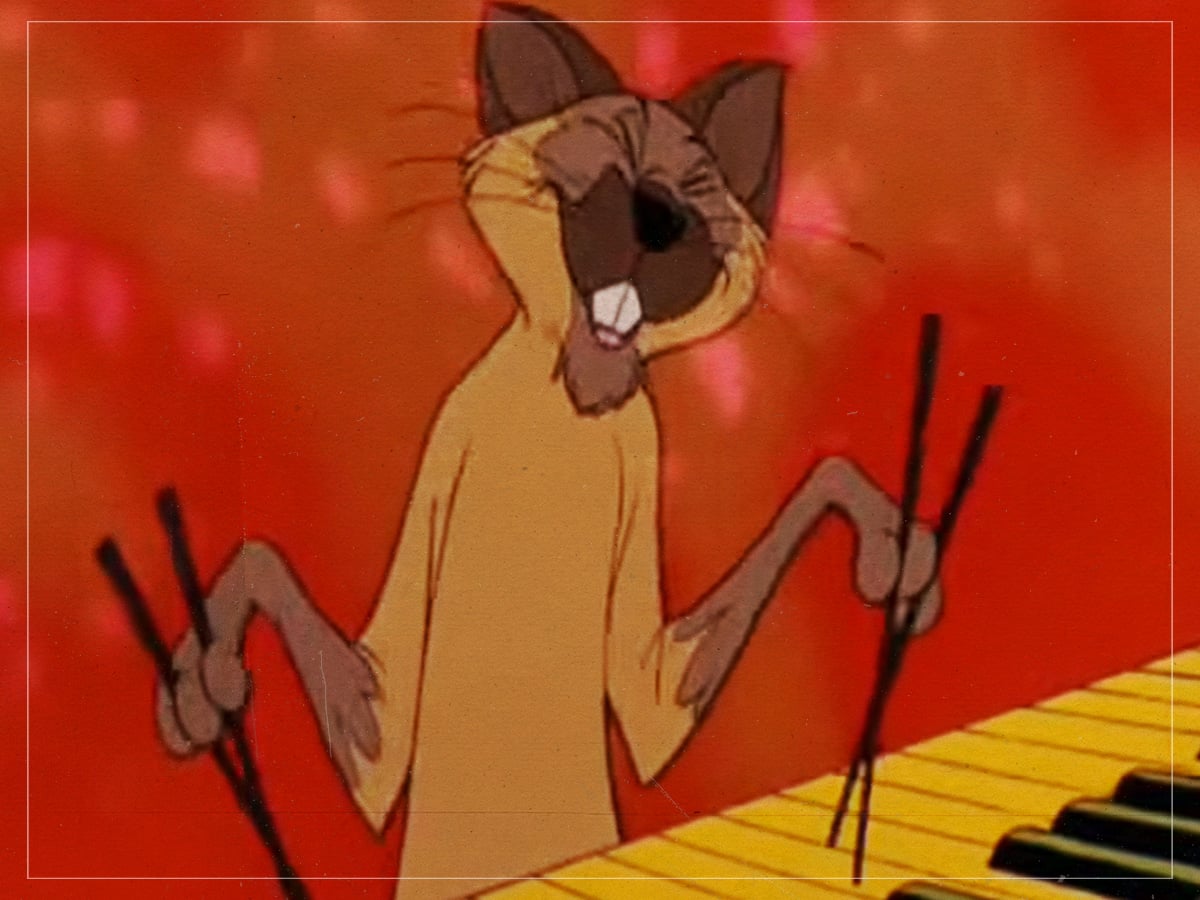
Disney has more than a few classic films that feature racially insensitive characters, and some of them have remained locked in their vault forever. Although the racist stereotypes in Dumbo and Pinocchio have the excuse that they were made in the ‘40s during the birth of animation, The Aristocats was seemingly released during an era in which Disney had evolved into a more progressive company, as there was nothing offensive in other films made that decade, such as Robin Hood and Pete’s Dragon.
Nonetheless, the character Shun Gon is among the most egregious of their stereotyped animal characters due to the exaggerated East Asian accent, and although Disney has managed to turn nearly all of its animated classics into live-action remakes in recent years, The Aristocats might be avoided entirely because of how hard it would be to deal with the outdated components.