
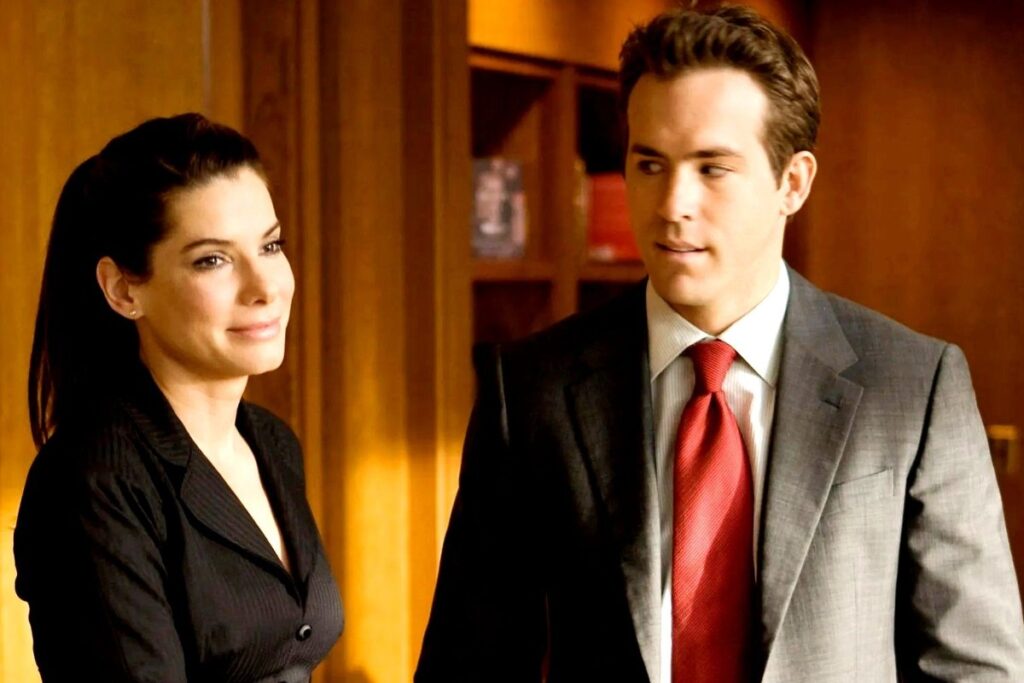
“I was in prison,” Ryan Reynolds said of the career and mental-health spiral he faced before The Proposal. In an Entertainment Weekly interview, Reynolds credited the 2009 Anne Fletcher rom-com and co-star Sandra Bullock with helping him climb out of depression and regain control of his career, after a run of high-profile stumbles.
Ryan Reynolds has described a stretch of his career as feeling like he was “in prison,” caught between public box-office stumbles and a growing personal low. Then a 2009 romantic comedy, directed by Anne Fletcher and built around his chemistry with Sandra Bullock, became the reset he says he needed. As TF1 airs The Proposal on June 30 at 21h, his comments to Entertainment Weekly bring that turning point back into focus, and the unexpected role Bullock played in helping him regain control.
A rom-com that still feels close to home
Some movies stay in rotation because they carry more than jokes. The Proposal is one of them, a crowd-pleasing romantic comedy that keeps popping up on U.S. streaming lineups and digital rental shelves whenever viewers want something familiar. It is also tied to a more personal story, one Ryan Reynolds has described with unusual candor.
The turning point: The Proposal in 2009
Released on June 19, 2009, and directed by Anne Fletcher, the film paired Reynolds with Sandra Bullock at exactly the right moment. Bullock plays Margaret Tate, a high-powered New York editor facing immigration trouble, and Reynolds plays Andrew Paxton, the assistant she corners into a fake engagement.
The premise is pure studio-era comedy, but the chemistry does the heavy lifting. Indeed, the story’s Alaska trip, awkward family introductions, and shifting power dynamic give both stars room to land big laughs while letting the sentiment arrive honestly.
Reynolds, setbacks, and the “prison” feeling
Reynolds has said the years around that period were harder than his public image suggested. In an interview with Entertainment Weekly, he looked back on a stretch where he felt stuck, even using the word “prison” to describe the lack of control he felt over his career.
That context matters because some of the most visible swings did not connect. Green Lantern arrived in 2011 to bruising reviews, and R.I.P.D. followed in 2013 with its own disappointment. How do you keep showing up when the headlines keep saying you missed?
What Bullock changed on set, and what came after
Reynolds has credited Bullock not just for sharing the screen, but for setting a tone: prepared, steady, and encouraging when he needed it. According to his remarks, working alongside her helped him reset his confidence and approach, a small on-set reality that can matter more than a weekend box office narrative.
In addition to that reset, his later run speaks for itself. The self-aware swagger of Deadpool and the crowd-friendly charm of Free Guy showed a performer steering his own lane, with a sharper sense of what he wanted to make and how he wanted to make it.