
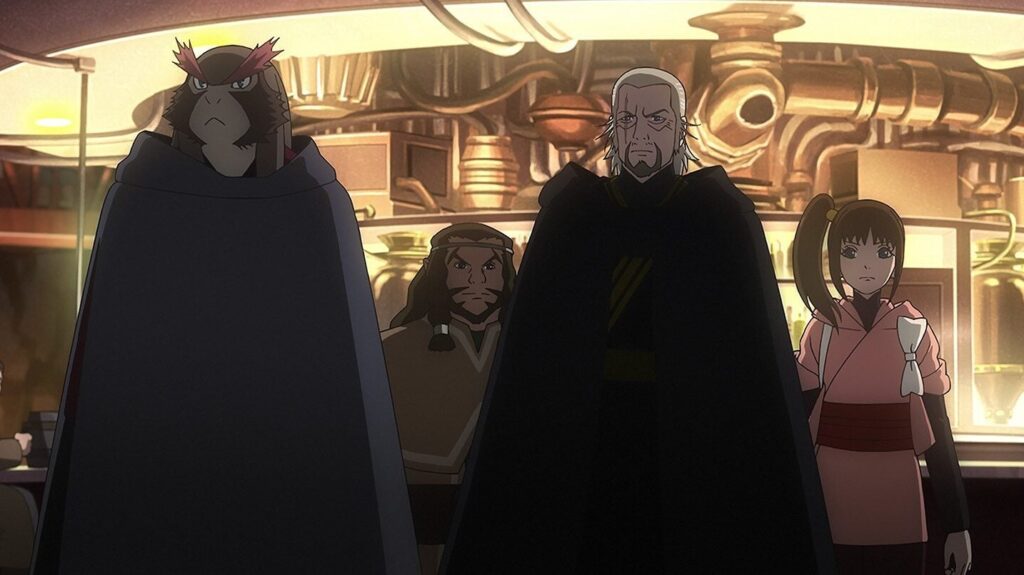
With the upcoming anime Star Wars: Visions Presents – The Ninth Jedi premiering on August 5, director Kenji Kamiyama and other creators discussed details behind the making of the show. Speaking with Polygon and Crunchyroll, Kamiyama, who is best known for Ghost in the Shell: Stand Alone Complex, discussed the complexities of the Jedi, lightsabers, and why hope is an important theme for today.
When Star Wars: Visions was first released, Kamiyama and Production I.G.’s short was certainly a standout episode, garnering a follow-up episode in Volume 3. Following teenage lightsaber-wielder Lah Kara, the upcoming spinoff will continue Kara’s journey as she faces off against new threats and as she dives further into the path of the Force.
When discussing why Kamiyama wanted to focus on Kara and her life as a Jedi, he still finds interest in Jedi as individuals, not just an organization, and the internal struggle to do good:
“While making this story, I watched all of Star Wars from start to finish. I noticed the Jedi are traditionally very closely tied to the Jedi Order, so I wanted to rethink what a Jedi could be outside of that rigid structure.
Sometimes, the Sith can seem like they’re freer or more immediately compelling, while the Jedi can feel constrained in comparison. I wanted Kara to move beyond that rigidity and show what a new kind of Jedi could be. A Jedi can have a dark side inside themselves, but they can overcome that inner darkness and become a true Jedi in spite of it.”
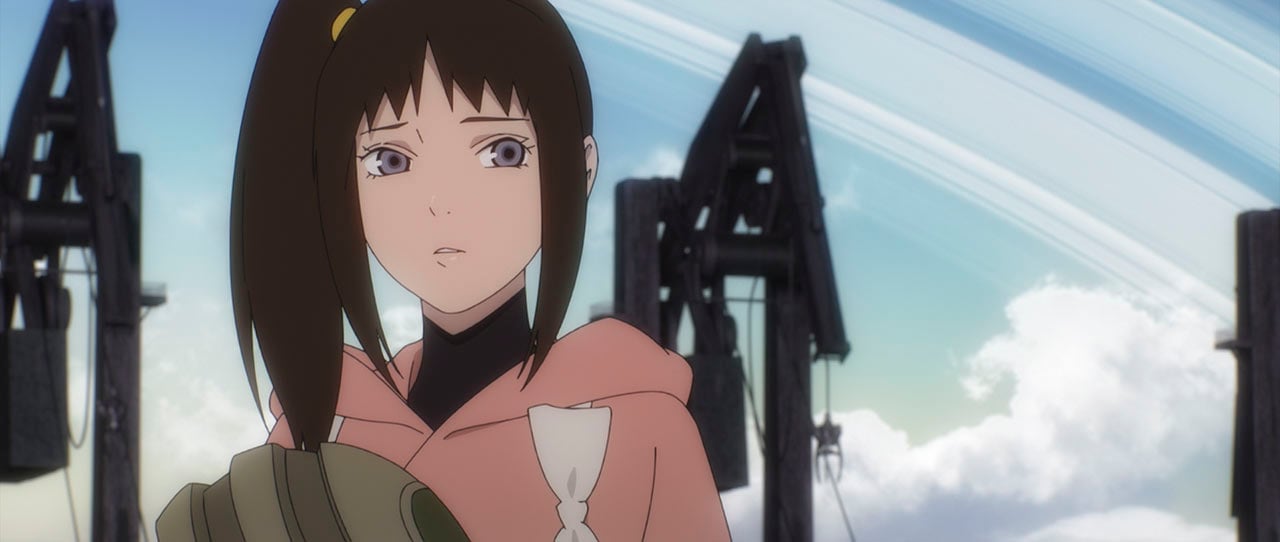
Star Wars: Visions Presents – The Ninth Jedi also looks to incorporate a lot of lightsaber duels, much like the previous iterations. Humorously, Kamiyama asked the animators “to keep their feet firmly on the ground.” For director Shunsuke Tada, that grounded realism wasn’t an issue as a kendo master:
“Because I have experience practicing kendo, I can tell when characters are just hitting swords against each other instead of actually trying to cut their opponent.
I wanted to treat lightsabers as Japanese swords, just as George Lucas originally intended. Of course, I wanted the action to have excitement and a sense of catharsis, but at the same time, like a Japanese sword, I wanted there to be a clear sense that if it touches you, it cuts.”
Lastly, director Kamiyama was asked about why hope is such a prevailing theme throughout Star Wars. Kamiyama responded by saying it’s a creator’s responsibility to bring hope and kindness into the world, and that sentiment was part of the making of the show:
“War stories are easier to treat purely as entertainment when the real world is at peace. But right now, the world is in chaos. There are many concerns, such as generational and racial divisions, and there are wars happening around the world. In a time like this, portraying war as entertainment carries a lot more weight.
I believe George Lucas included war in Star Wars to find and show hope for the world. That is very important to me. The Dark Side, with its intense action, may seem more entertaining on the surface, while justice and hope can be too straightforward. But with Kara, I really wanted to show the light side to audiences. I wanted to portray kindness and a sincere sense of justice.
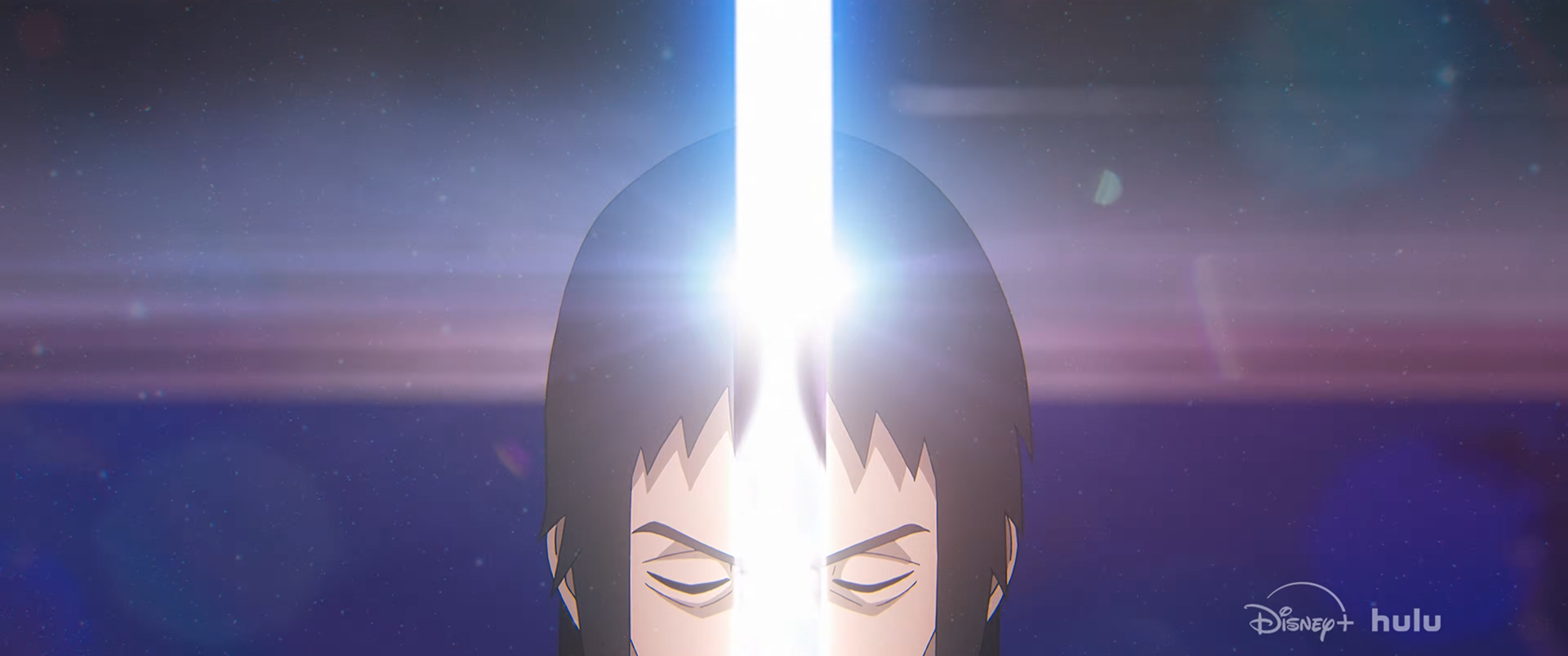
Star Wars: Visions Presents – The Ninth Jedi premieres on August 5 on Disney Plus and Hulu. It’ll be available in both English and Japanese audio. To get caught up on The Ninth Jedi, feel free to catch up with our review of Star Wars: Visions Volume 3.

Born and raised in Hawaii, Jay Goodearl runs the YouTube Gaming channel “Good Games, Dude” His channel aims to open up video games to beginners and immediate players and help them understand what makes games the art form that it is.