
Vivien Leigh in ‘Gone with the Wind’ (Victor Fleming, 1939)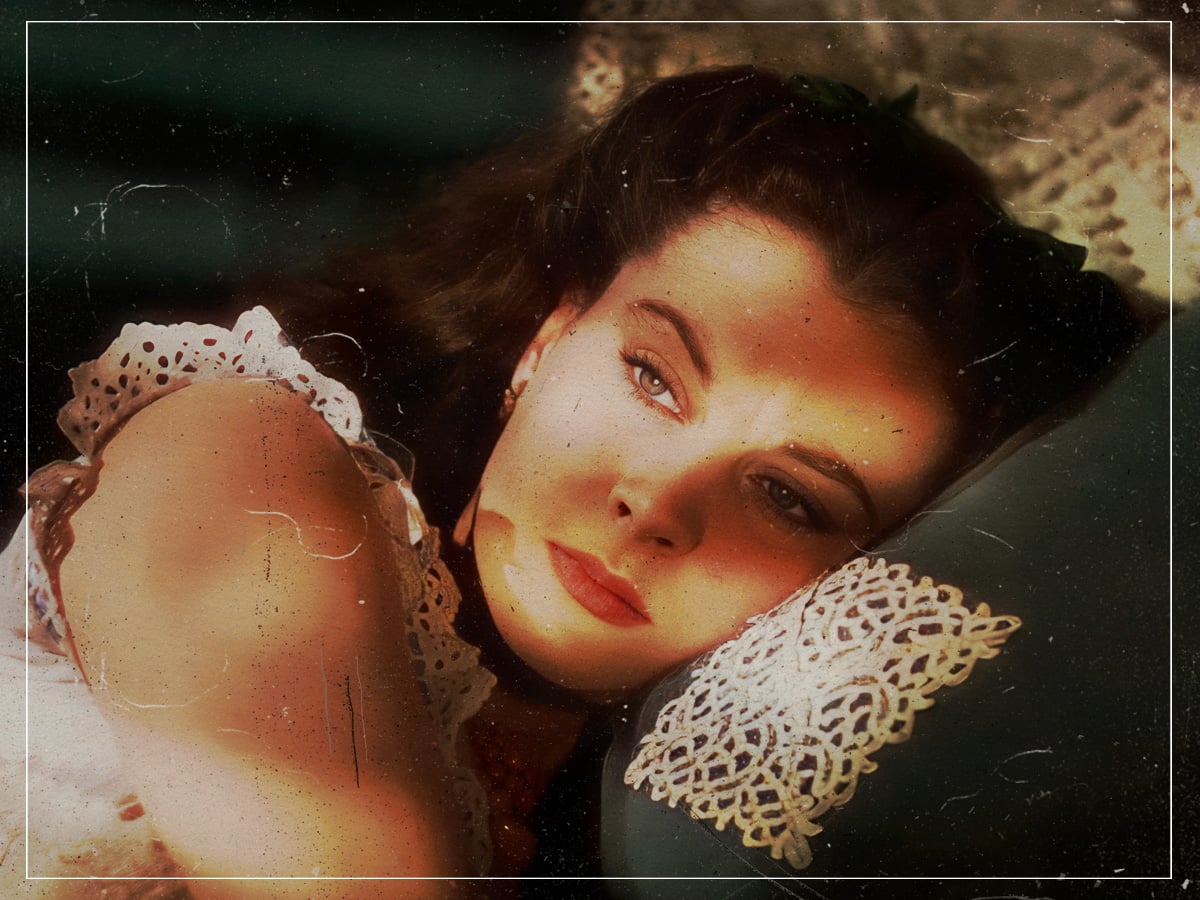
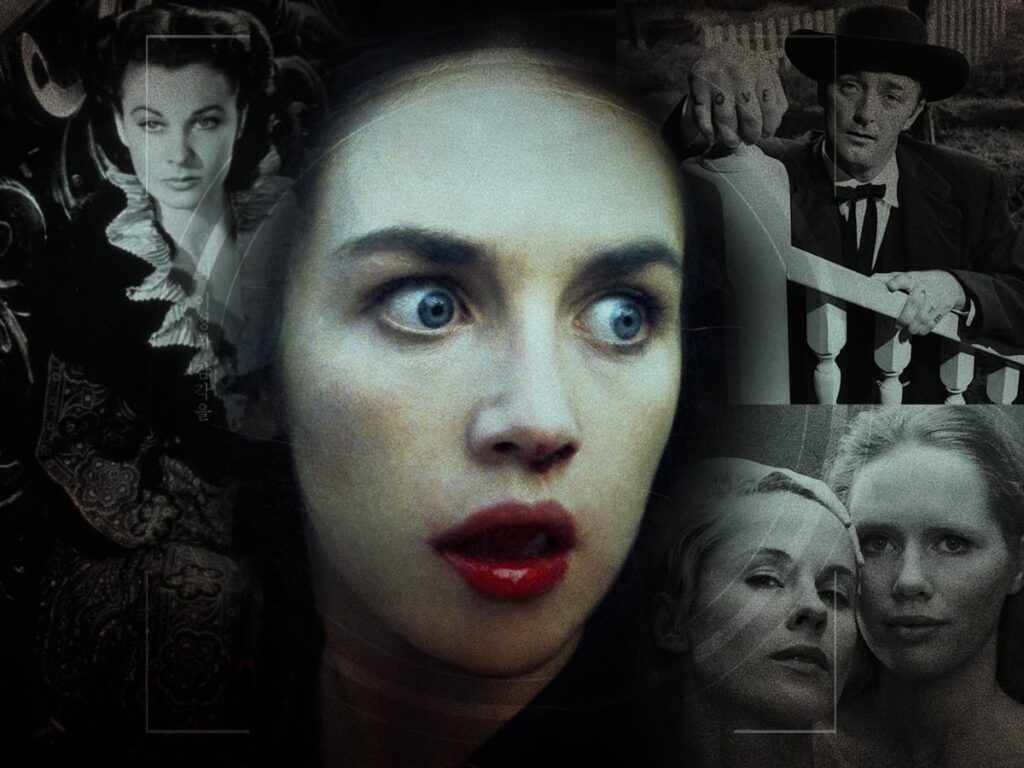
Gone with the Wind is one of the most important films ever made for its scope, complexity, and grandiosity of emotion, as it opened up cinemagoers to the notion of an ‘epic’ experience that could capture the density of a great piece of literature. There are few cinematic characters as iconic as that of Scarlett O’Hara, and it’s not hyperbole to say that Vivien Leigh’s performance was the most significant role ever given to a female actor at that point in Hollywood history.
Leigh was able to bring a naturalism to the role that didn’t sacrifice the Shakespearean qualities of the story, and the yearning in her chemistry with Clark Gable makes for a defining screen romance. Gone with the Wind has a legacy that has grown more complicated, but Leigh’s game-changing performance must be acknowledged.
Barbara Stanwyck in ‘Double Indemnity’ (Billy Wilder, 1944)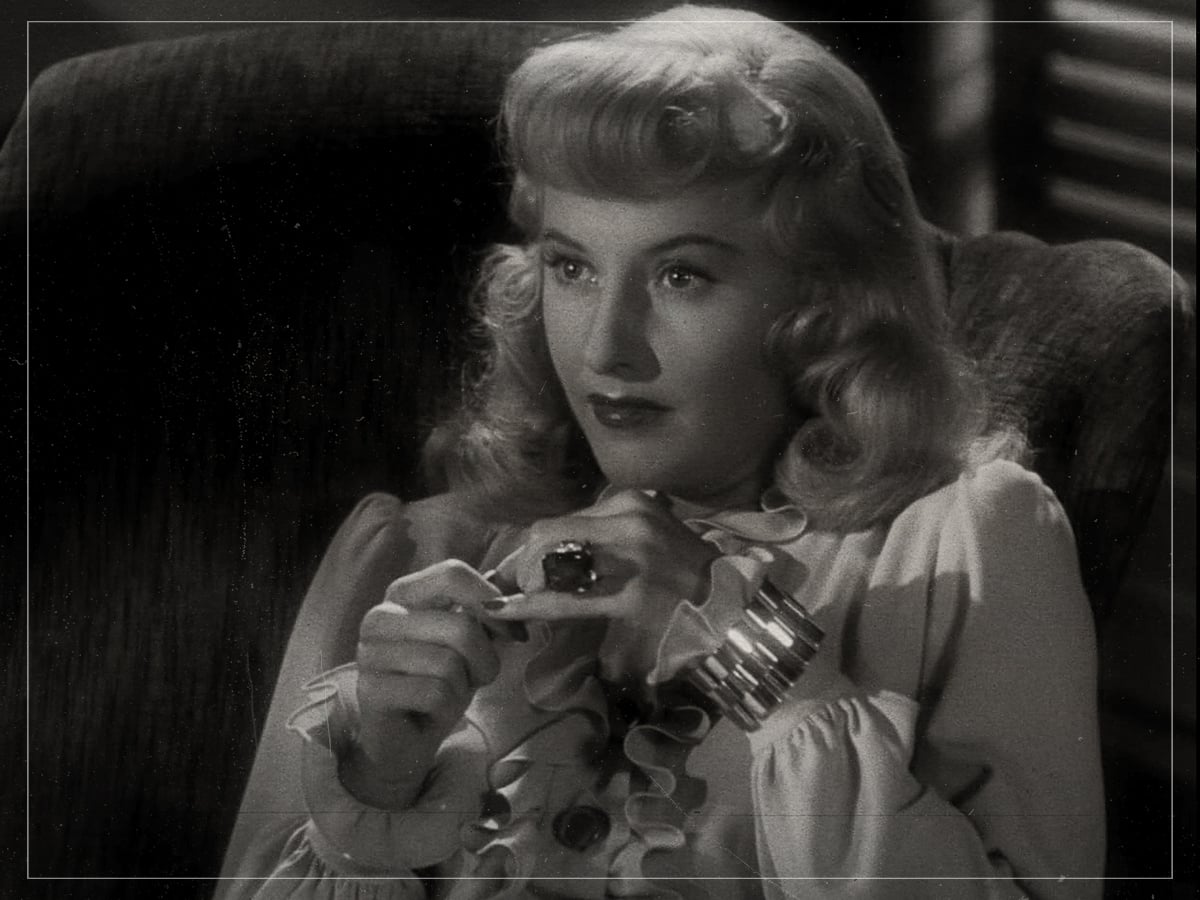
Billy Wilder had a better working relationship with actors than nearly any other filmmaker and helped crystallise genres that were in their infancy. Double Indemnity was hardly the first noir thriller, but it did offer a more mature, thoughtful version of many archetypes within the genre, including that of the femme fatale. Barbara Stanwyck is nothing short of electrifying in the film, as she steals every scene from Fred MacMurray (who is nonetheless giving a great performance).
Stanwyck walked a fine line between being dangerous, mysterious, sympathetic, and alluring; although there was a strict code for what type of sexual content could be allowed during this moment in American film history, Stanwyck’s ability to nail Wilder’s clever double-entendres and turn in a sensual performance upheld the erotic subtext of the masterpiece. Neo-noirs and erotic thrillers alike would not exist without her.
Takashi Shimura in ‘Ikiru’ (Akira Kurosawa, 1952)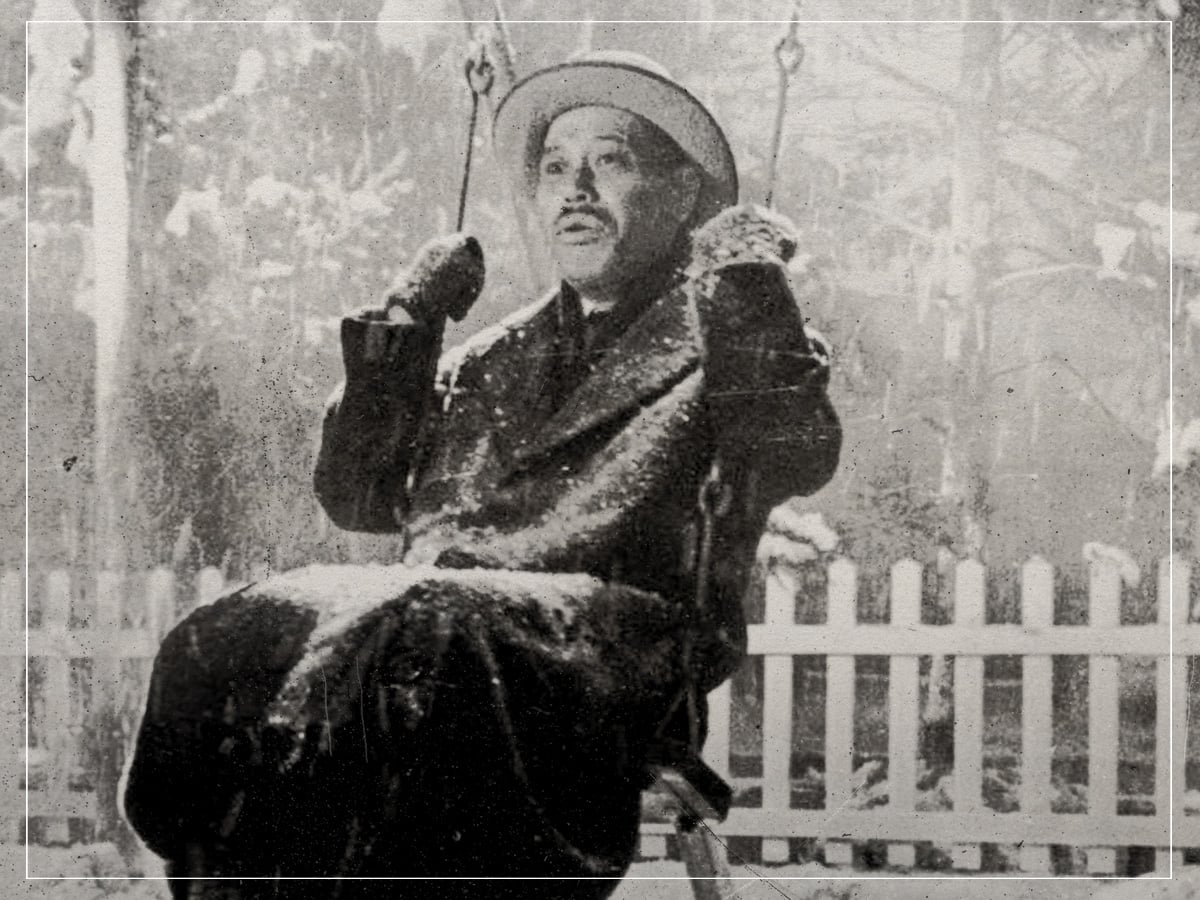
Akira Kurosawa had strong working relationships with many notable actors and is perhaps best known for his many collaborations with Toshiro Mifune, but his other most frequent collaborator was Takashi Shimura, who is terrific in many of his best films, from Seven Samurai and Rashomon to Drunk Angel and Stray Dog. However, he gives his quietest, most powerful performance in Ikiru, where he plays a lonely businessman reflecting on his life as he approaches death.
It’s a delicate film that saw Kurosawa wrestling with mortality in a deeply moving way, and the grace that Shimura showed in playing a grounded character subverted the melodramatic impulses that many others would have taken if given the same role, even inspiring other great performances, including Billy Nighy’s Oscar-nominated part in the English-language remake Living.
Marlon Brando in ‘On the Waterfront’ (Elia Kazan, 1954)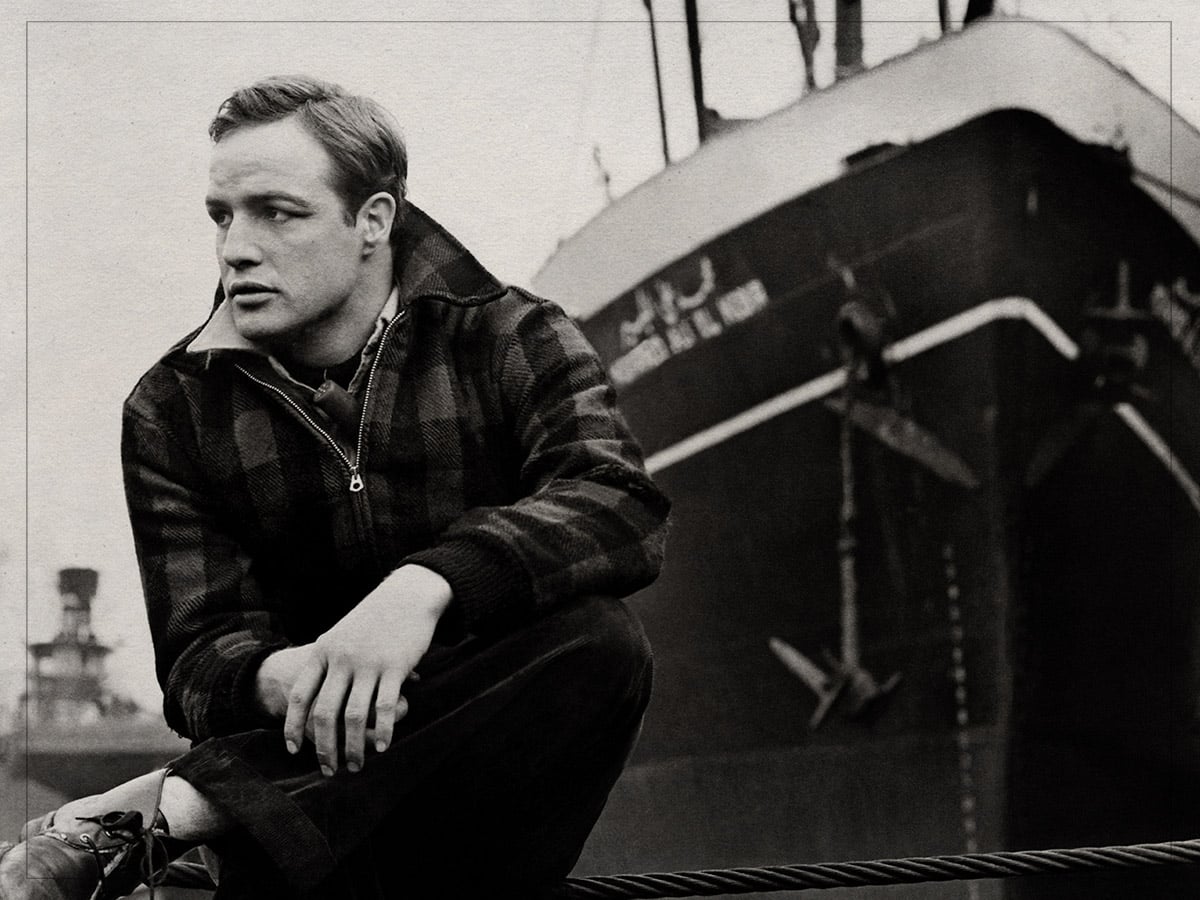
Marlon Brando was a veteran of the stage who began collaborating with Elia Kazan on A Streetcar Named Desire, which they later adapted into a film where he showed an alarming degree of vulnerability unusual for the big screen, but he went even deeper and more complex when he tackled a part written directly for the big screen in On the Waterfront, which has been cited as an inspiration among nearly every actor in the New Hollywood era.
He made the type of choices no one else would think of, and became so attached to his character that the emotions feel real. After generations of great actors being trained under classical techniques, Brando offered an alternative method of adopting a character’s qualities that paved the way forward for the future; it’s a performance of pure genius that holds up to this day.
Robert Mitchum in ‘The Night of the Hunter’ (Charles Laughton, 1955)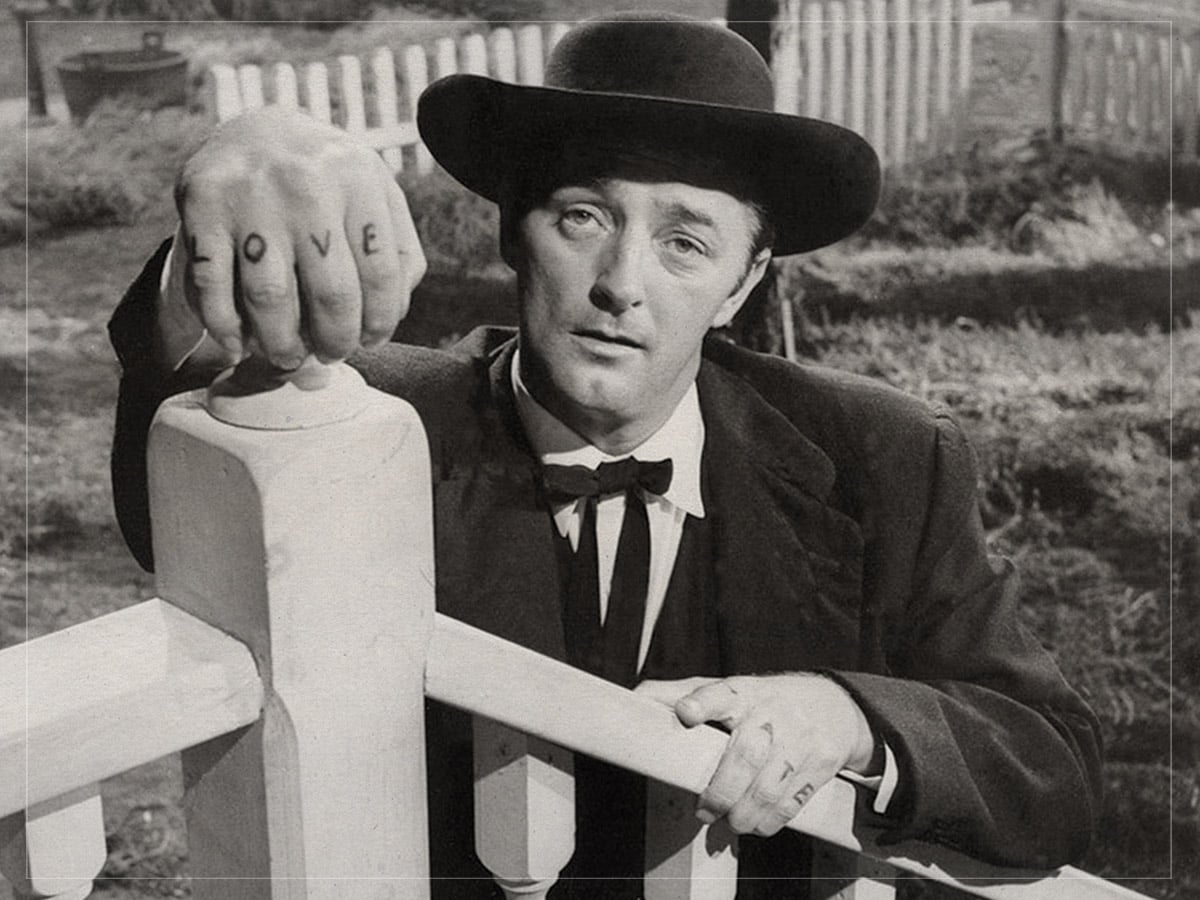
Robert Mitchum was an icon of the golden age of Hollywood who was never given the credit that he deserved, mostly because he opted to play low-lifes, villains, underdogs, and scoundrels instead of traditional leading man roles. One actor who saw the genius within Mitchum’s approach was Charles Laughton, who cast him in his directorial debut, The Night of the Hunter, which ended up being the only film he ever directed. Mitchum plays an enigmatic criminal, posing as a man of faith, who seduces an entire town into buying his lies as he seeks to make off with their fortune.
It offered a literalisation of nightmares that was unlike any other cinematic villain because of the dreamlike quality, ambiguous backstory, and allusions to an unspoken presence of the supernatural; it wasn’t makeup or costumes that made Mitchum intimidating, as all the tension came purely from his performance.
Peter O’Toole in ‘Lawrence of Arabia’ (David Lean, 1962)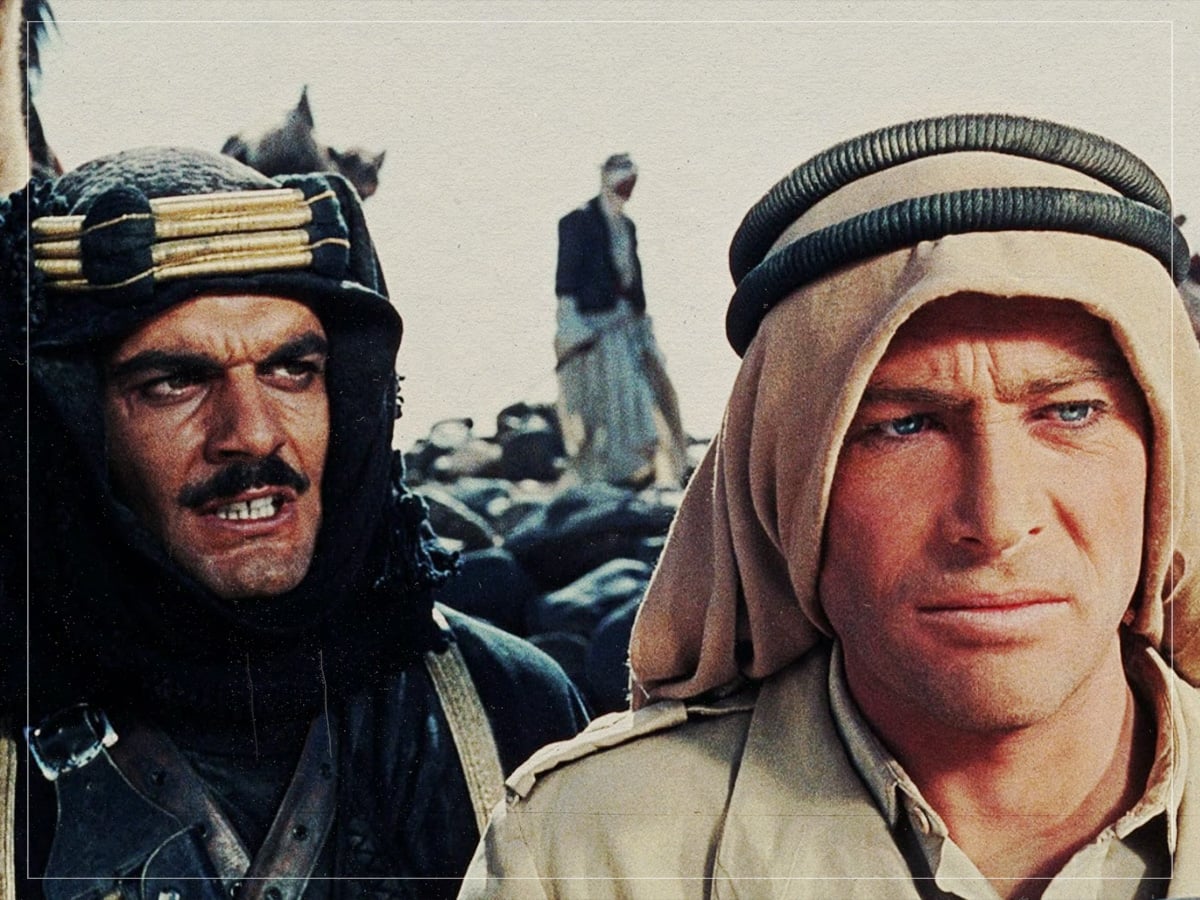
Lawrence of Arabia is a ‘Best Picture’ winner and one of the greatest films ever made, with much of the credit going to David Lean for finding a way to explore the totality of one man’s life through his involvement with key moments in world history. A film of this ambition required a performance that could quite literally bottle up someone’s essence into pivotal moments, and Peter O’Toole turned TE Lawrence into a character of Shakespearean quality.
Lawrence is haughty and ambitious, yet heroic, and Lawrence of Arabia questions whether the ‘great man’ theory has any merit when it requires someone to be so cunning. There’s a debate to be had about what the film is actually saying about its titular subject and what he did to change the world, and O’Toole’s performance is so committed that it satisfies multiple interpretations all these years later.
Elizabeth Taylor in ‘Who’s Afraid of Virginia Woolf?’ (Mike Nichols, 1966)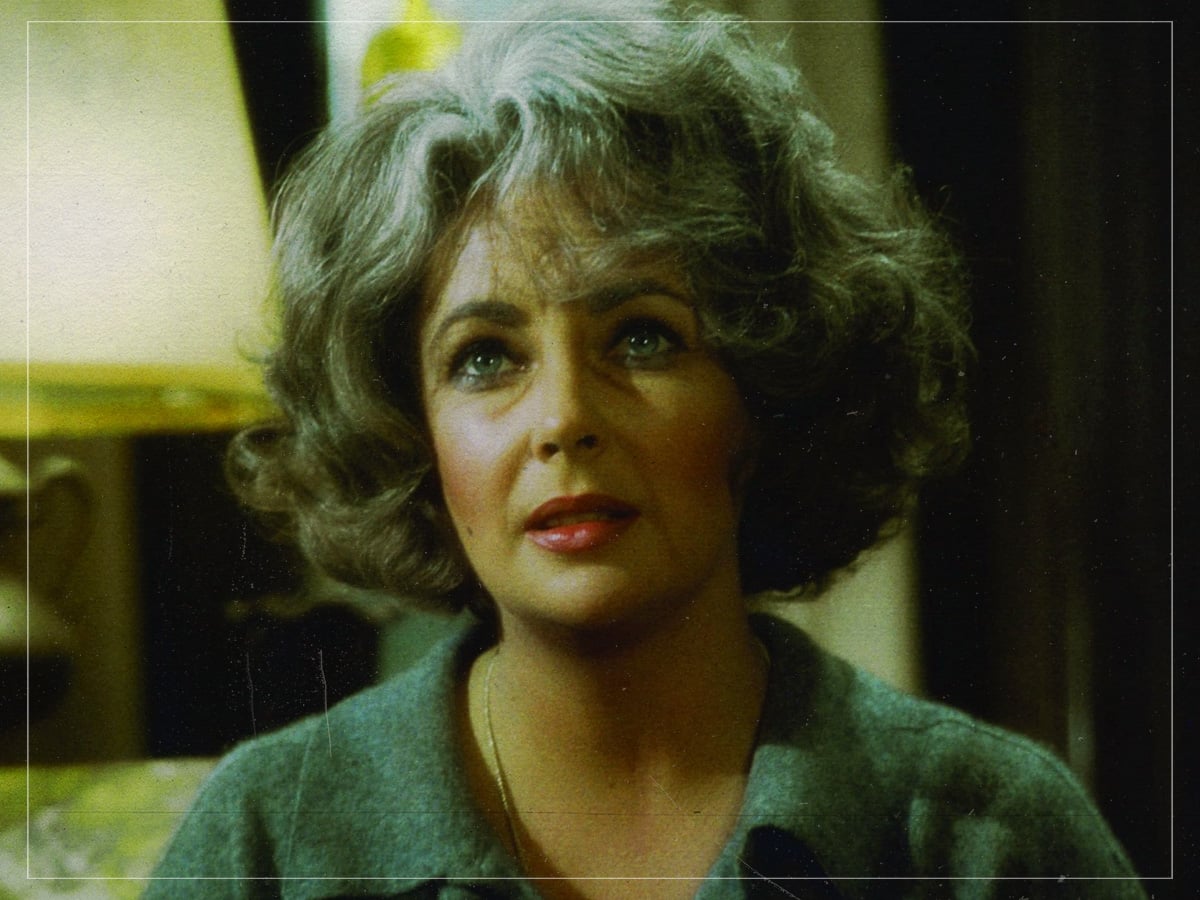
Elizabeth Taylor was already one of the most famous and respected actors in the world by the time she signed on to Mike Nichols’ adaptation of Who’s Afraid of Virginia Woolf?, so in many ways, audiences had become used to seeing her consistently be excellent. It was nonetheless astonishing to see Taylor inhabit the role of Martha in such a raw, uncomfortable depiction of midlife anxiety and feminine rage.
Who’s Afraid of Virginia Woolf? is unlike any other stage-to-screen adaptation because the intimate, secluded setting is heightened to become more painfully authentic as the story continues and Martha continues to berate her husband, played by Richard Burton. Even within the confines of the Production Code, Taylor was able to depict sexual frustration and mental illness in subtle ways. It’s a film with all-time great performances from Burton, George Segal, and Sandy Dennis, but Taylor is without a doubt the scene-stealer.
Liv Ullmann in ‘Persona’ (Ingmar Bergman, 1966)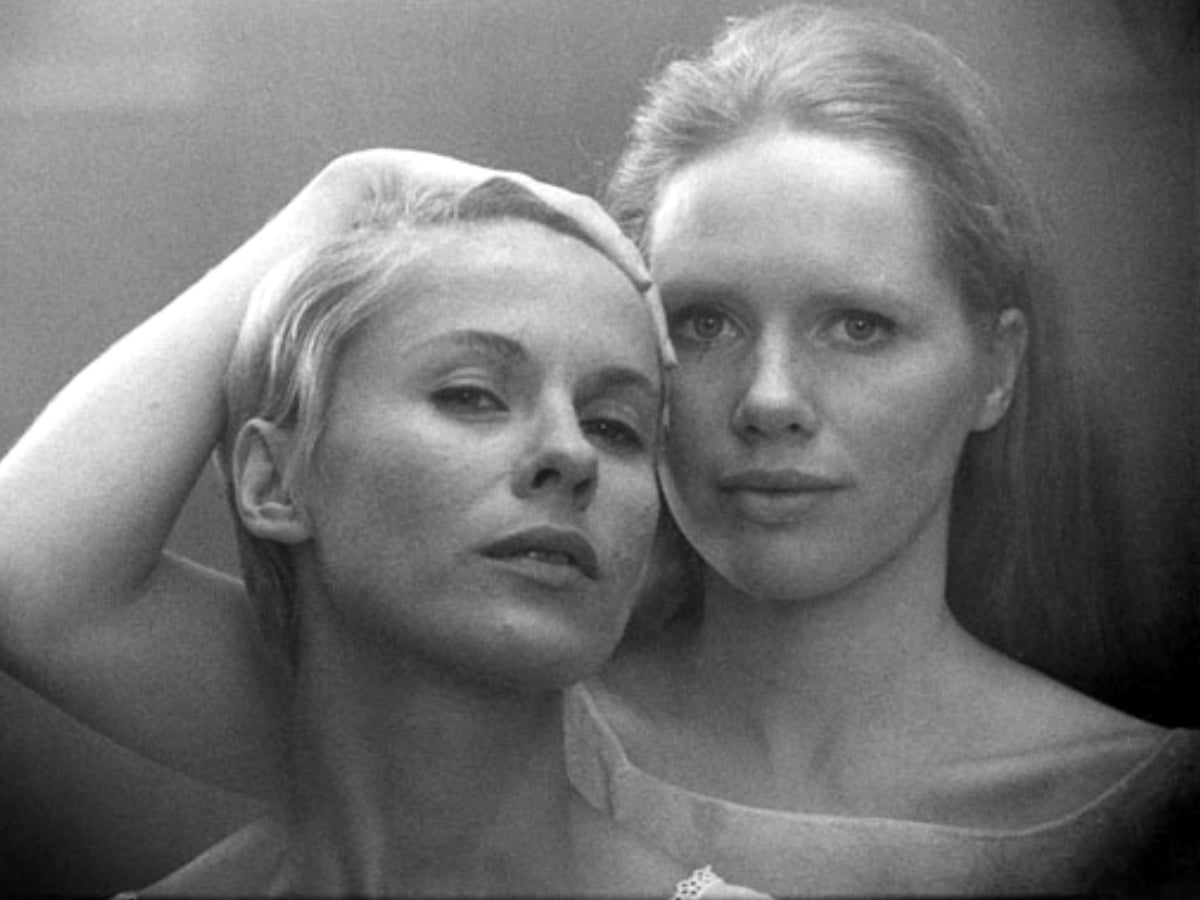
Ingmar Bergman is among the most beloved filmmakers of all time, but none of his films is as pure an acting showcase as Persona, the psychological drama that tracks the relationship between a sensitive young nurse, played by Bibi Andersson, and a famous actor, played by Liv Ullmann, who has reverted to being silent. The mystery as to why she has stopped speaking is what creates the surreal, psychological dread within Persona, and the wordless expressions by Ullmann were able to sustain the prickly relationship, turning it into a parasitic bond of co-dependency.
While both performances in the film are exceptional, Ullmann had the challenge of playing a performer who has lost her sense of self, leading her to project onto her new acquaintance. Even when considering the brilliance of Bergman’s visual filmmaking, Persona could not have existed without someone as talented as Ullmann in the most critical role.
Robert De Niro in ‘Taxi Driver’ (Martin Scorsese, 1976)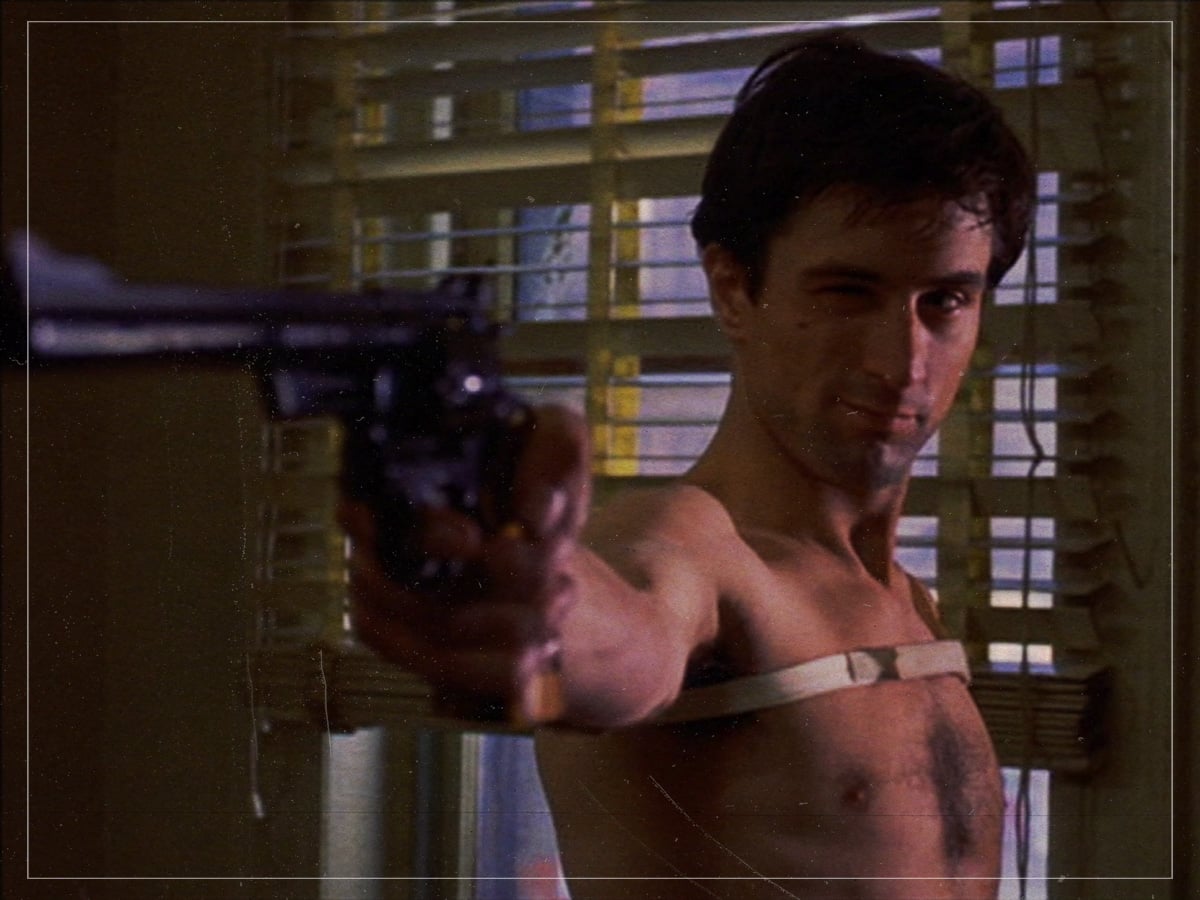
Robert De Niro and Martin Scorsese make one of the greatest working actor-director duos, with many of their films withstanding the test of time as classics, but Taxi Driver was particularly significant because this story of a seemingly ordinary man who had endured severe pain, leading him down a dark psychological journey of violence, chaos, and self-delusion, was unlike anything they had done before.
Travis Bickle is a character who sees himself as a hero, and De Niro leaves it up to the viewers to interpret whether this is purposefully manipulative, classically tragic, or sincere. While De Niro is an actor who became known for chewing the scenery later on in his career, Taxi Driver was released when he was at his peak and willing to make the commitments that none of his contemporaries would have been capable of.
Isabelle Adjani in ‘Possession’ (Andrzej Żuławski, 1981)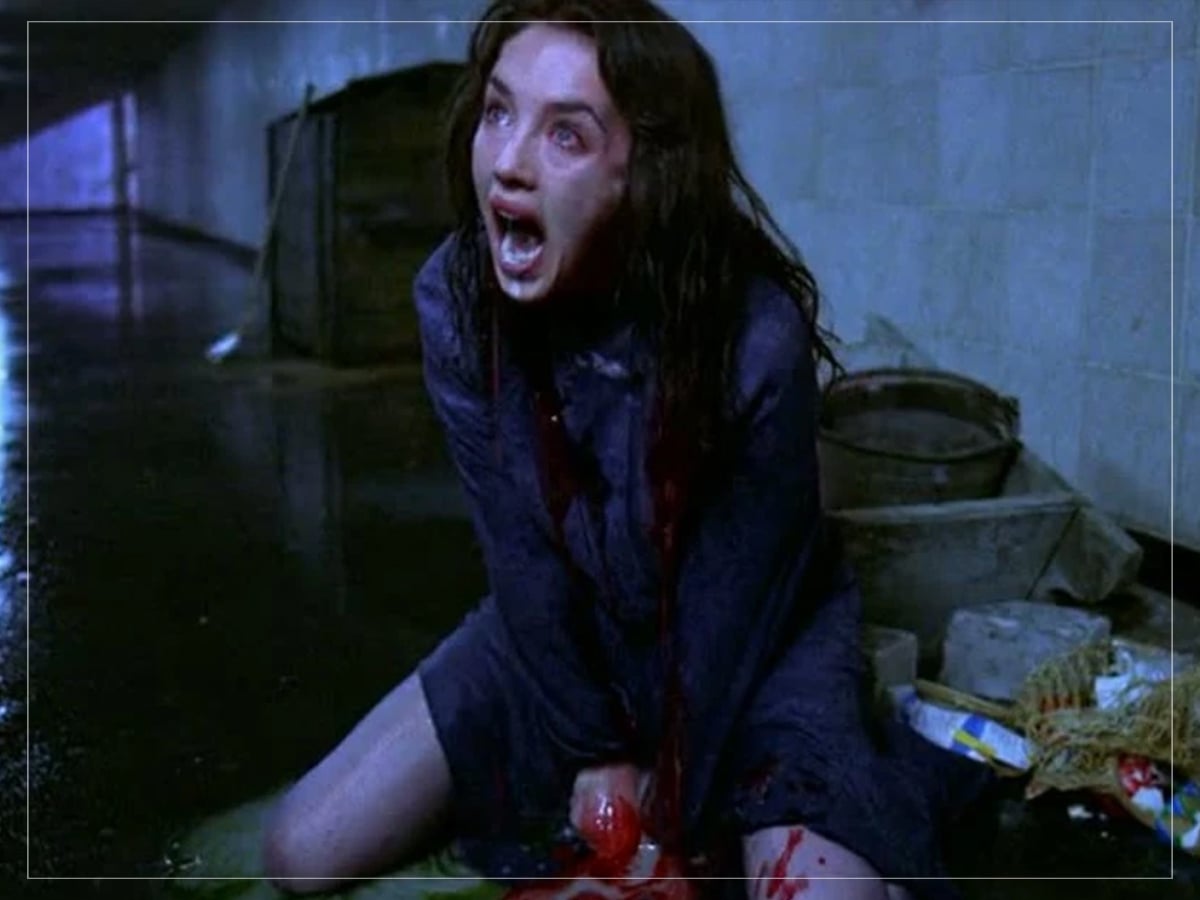
The legacy of the Andrzej Żuławski horror classic, Possession, is a fascinating one, as its initially polarising reception transformed into full-on acclaim over time, with a legitimate case to be made that it is the single greatest horror film ever made. Possession is terrifying because it begins as a psychological drama before devolving into something knottier and more intimate in its exploration of a dissolving marriage, in which a woman (Isabelle Adjani) begins to break from reality, to the dismay of her husband (Sam Neill).
The twisty premise required Adjani to play multiple characters, even if the line is blurred and nothing that is seen can be completely confirmed. It’s a rare instance in which an actor was able to conjure actions and emotions that truly felt otherworldly; the ease with which Adjani transitions between authentic mental illness and possessed evil still sends chills down the spine.