Share
Tweet
Share
Share
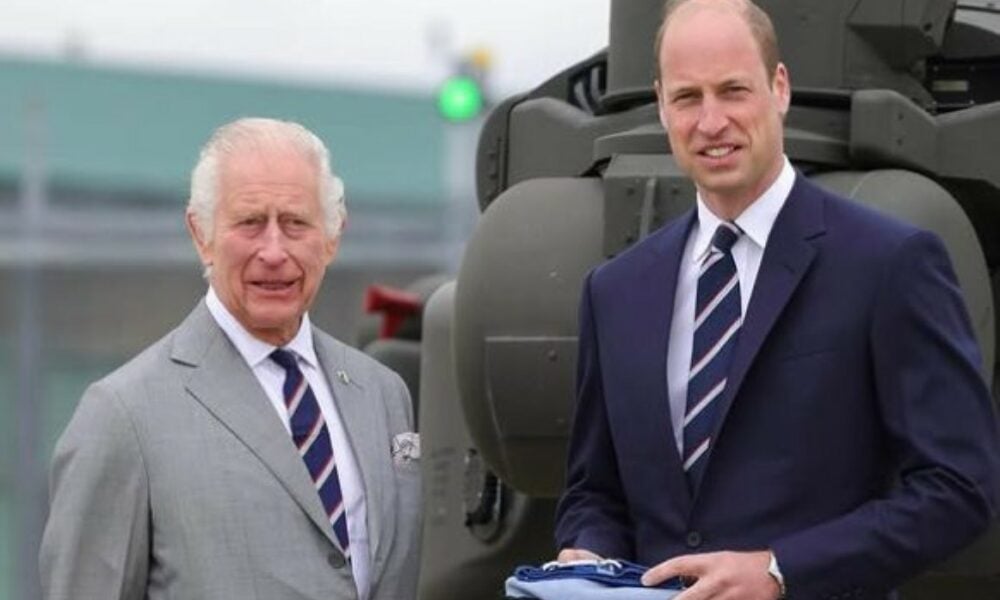
At 76, King Charles III faces an intensifying battle against cancer, diagnosed in February 2024 following a procedure for a benign prostate condition, prompting the British monarchy to fast-track succession plans. Buckingham Palace has not disclosed the specific type of cancer, but its lack of remission throughout 2025 has slashed his public duties from over 200 engagements in 2024 to fewer than 50 this year. Ascending the throne in September 2022 after Queen Elizabeth II’s death, Charles’ reign—now just over two years—confronts uncertainty as his health declines, thrusting Prince William, 42, and Kate Middleton, also 42, into the spotlight. William has taken on 80% of the king’s duties in 2025, including 10 international trips, while Kate, battling her own cancer since January 2024, plans 20 public events this year. This shift comes as the monarchy, contributing £1.8 billion annually to the UK economy—£500 million from tourism in 2024—navigates a critical juncture, with the couple’s intensive training signaling an imminent transition to safeguard the Crown’s continuity amid personal and institutional challenges.
Charles’ health struggles have reshaped royal dynamics. On March 27, 2025, he was briefly hospitalized at the London Clinic due to treatment side effects, discharged the same day, and returned to Clarence House. The episode forced the postponement of engagements scheduled for Thursday and Friday, including a Birmingham visit to open a hospital and meet local communities. With Charles’ frailty and Kate’s ongoing cancer fight, diagnosed after abdominal surgery, the pressure mounts on William, who logged over 150 events in 2024, such as the Notre-Dame Cathedral reopening in Paris. The couple’s preparation for leadership—spanning royal protocols, estate management, and diplomacy—underscores the urgency of ensuring stability as the king’s condition worsens.
Public approval bolsters William and Kate’s rise. In 2025, their favorability stands at 75% among Britons, compared to Charles’ 50%, per recent polls, a 25-point gap reflecting trust in their modern approach. The monarchy faces scrutiny over its £100 million annual cost, with six Commonwealth nations debating republicanism in 2025, yet the couple’s efforts—raising £50 million for charity in 2024—keep its economic impact, at £1.8 billion last year, in focus. As Charles’ reign falters, William and Kate’s readiness marks a potential new chapter for the British Crown.
Charles III’s cancer battle deepens
Detected in February 2024 after prostate treatment, Charles III’s cancer has steadily worsened through 2025, though its exact nature remains undisclosed by Buckingham Palace. His public role has shrunk dramatically, with international trips dropping from 25 in 2023 to fewer than 10 in 2024, and total engagements falling from over 200 to under 50 this year. On March 27, 2025, a brief hospitalization for side effects like fatigue and nausea—common in cancer therapies—saw him discharged within hours to resume work at Clarence House, handling private meetings and state papers.
Once a tireless advocate for environmental causes, Charles’ curtailed schedule contrasts sharply with his earlier vigor. The 75% drop in public appearances in 2025 highlights the toll of his treatment, shifting responsibilities to William, who now shoulders 80% of royal duties. The recent hospital stay, while not an emergency, fueled speculation about abdication, though the palace insists his recovery remains on a positive trajectory, albeit closely managed.
Kate’s cancer fight shapes her role
Kate Middleton’s cancer, identified in January 2024 post-abdominal surgery, has cut her engagements from 120 in 2023 to 40 in 2024. For 2025, she targets 20 events, focusing on early childhood and mental health, initiatives that reached 2 million children last year. Her gradual return, after completing chemotherapy in September 2024, underscores her determination as future Queen Consort, supporting William amid his expanded duties.
Her 70% reduction in 2024 activities reflects the treatment’s impact, yet Kate’s resilience shines through. Described by William as “brutal” in a November 2024 Earthshot Prize interview in South Africa, the year tested the couple, who balance personal struggles with preparing to lead the monarchy and its 56 Commonwealth nations.
Kate’s health timeline:January 2024: Cancer diagnosed after surgery.September 2024: Chemotherapy ends, light duties resume.2025: 20 planned public engagements.William steps into the spotlight
William has emerged as the monarchy’s linchpin in 2025, handling 80% of Charles’ duties, including 10 overseas trips. In 2024, he attended over 150 events—a 30% rise from 2023—such as the Notre-Dame reopening in Paris, while managing the Duchy of Cornwall, which raised £20 million for mental health, aiding 5 million people. His diplomatic efforts included 20 meetings with foreign policy experts, cementing his readiness to govern.
His 75% approval rating, 25 points above Charles’ 50%, reflects public confidence in his leadership. As heir, William’s expanded role ensures continuity as Charles’ health falters, blending tradition with modern priorities like sustainability, key to maintaining the Crown’s £1.8 billion economic footprint in 2024.
Intensive training for the Crown
William and Kate’s preparation extends beyond public duties. They focus on modernizing the monarchy, raising £50 million for charity in 2024, with William’s initiatives reaching 5 million and Kate’s supporting 2 million children. In 2025, they plan 20 joint engagements, emphasizing sustainability and education, resonating with younger audiences. The monarchy’s £500 million tourism boost in 2024 underscores their economic stake.
Kate’s recovery fuels her return, with 15 events in 2024 despite cancer and 20 slated for 2025. Their 75% approval—up 10% since 2023—contrasts with Charles’ 50%, bolstering their case as relevant leaders amid debates over the monarchy’s £100 million cost.
Succession line takes shape
As Charles’ health declines, the succession solidifies. William will become King William V upon Charles’ abdication or death, with Kate as Queen Consort. Prince George, 11, next in line, joined five public events in 2024, like charity visits, preparing for his future. Charlotte, 9, and Louis, 6, follow, with Harry fifth, then Archie and Lilibet.
George’s gradual exposure mirrors William’s 80% duty load in 2025, while Kate’s 20 planned events reinforce stability. The succession, hastened by Charles’ condition, positions a new generation to lead the monarchy forward.
Commonwealth under strain
The monarchy faces global challenges. Of 56 Commonwealth nations, 14 retain the monarch as head of state, but republicanism grows—Barbados cut ties in 2021, and six, including Jamaica, plan 2025 debates. The Crown’s £100 million yearly cost draws 40% British skepticism, despite its £1.8 billion economic input in 2024.
William and Kate counter with impact—5 million aided by William’s 2024 efforts, 2 million children by Kate’s. Their 75% approval, 20% above Charles, may preserve Commonwealth ties as six nations weigh independence.
Historical echoes of transition
British royal history contextualizes today’s shift. In 1936, Edward VIII abdicated for Wallis Simpson, succeeded by George VI. In 1952, George VI’s death crowned Elizabeth II at 25 for 70 years. In 2022, Elizabeth II’s passing made Charles king at 73, a reign now health-threatened. William’s rise at 42 mirrors past urgency, adapting tradition to crisis.
A reign reshaped by illness
Charles’ cancer has redefined his kingship. From 25 international trips in 2023 to fewer than 10 in 2024, and engagements dropping from 200 to under 50 in 2025, his role shrinks. The March 27 hospitalization for side effects postponed events like Birmingham, with William’s 80% duty takeover ensuring continuity amid uncertainty.
The monarchy’s next chapter
As Charles undergoes intensive treatment, a historic shift looms. William’s 10 trips and 80% duty load in 2025, paired with Kate’s 20 events, mark an ongoing power transfer. Their 75% approval—20 points above Charles—anchors stability as six Commonwealth nations debate republicanism. Charles’ reign, potentially brief, tests William and Kate’s blend of tradition and modernity for the Crown’s future.