Share
Tweet
Share
Share
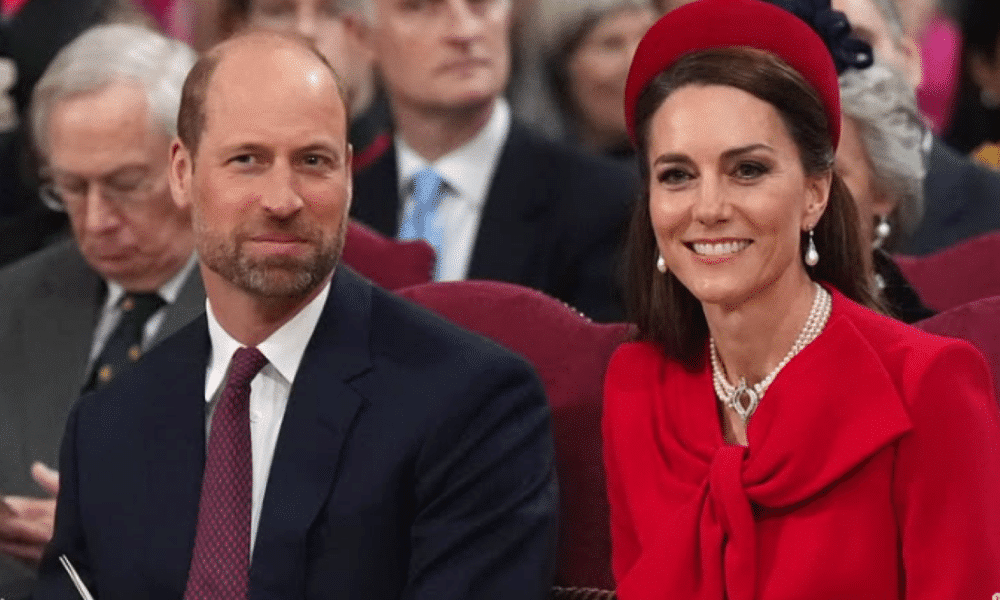
The British monarchy faces a pivotal moment as King Charles III, aged 76, contends with a worsening cancer diagnosis first revealed in February 2024. Buckingham Palace has kept specifics of the illness under wraps, but the king’s sharp decline in public duties underscores its severity. This health crisis has thrust Prince William, 42, and Kate Middleton, also 42, into the spotlight as they step up to ensure the Crown’s stability. With Charles ascending the throne in September 2022 following Queen Elizabeth II’s death, his reign—now just over two years old—is overshadowed by uncertainty, prompting urgent preparations for a potential transition that could reshape the monarchy’s future amid global and domestic challenges.
William has taken on a commanding role in 2024, shouldering roughly 80% of his father’s official responsibilities. His schedule included over 150 engagements last year, a notable increase from prior years, with high-profile appearances like the reopening of Notre-Dame Cathedral in Paris. He’s also championed causes such as mental health and sustainability, reaching millions and raising £20 million in donations. These efforts signal not only his readiness to lead but also an intent to modernize an institution grappling with questions about its place in today’s world, particularly as republican sentiments simmer across the Commonwealth.
Kate, meanwhile, battles her own cancer, diagnosed in January 2024 after abdominal surgery. Her public engagements dropped from 120 in 2023 to 40 in 2024, yet she remains a vital figure in the succession plan. For 2025, she aims to resume a fuller schedule with 60 planned events, focusing on early childhood education. Her perseverance, especially in initiatives supporting millions of children, has bolstered her standing, with public approval ratings climbing to 75% alongside William’s, far outpacing Charles’s 50%. Together, they embody a monarchy striving to adapt while facing unprecedented personal and institutional trials.
King’s health shifts royal priorities
Charles III’s reign began with promise after his 2022 coronation, but his cancer diagnosis has altered its trajectory. Detected during a procedure for benign prostate hyperplasia, the illness has forced a steep reduction in his public role. In 2024, he managed around 200 engagements, yet by 2025, that figure plummeted to under 50 as treatments took precedence. This shift has redefined the monarchy’s operations, placing William at the forefront and accelerating plans to secure the Crown’s future as Charles’s capacity diminishes.
Speculation about abdication swirls, though no official word has emerged from Buckingham Palace. The lack of transparency about the cancer’s type or stage only fuels public curiosity. Meanwhile, William and Kate undergo rigorous training in royal protocols, estate management, and international diplomacy. In 2025, William conducted over 20 meetings with foreign policy experts, while Kate prioritized social impact projects, including education programs aiding 2 million children. Their preparation reflects a monarchy bracing for change, driven by necessity rather than choice.
Reduced duties: Charles’s international trips fell from 25 in 2023 to fewer than 10 in 2024.William’s rise: He’s handled 80% of the king’s tasks in 2025, including 10 overseas visits.Kate’s recovery: After 40 events in 2024, she targets 60 in 2025, emphasizing child welfare.William and Kate: a modern monarchy emerges
The Prince and Princess of Wales stand as the monarchy’s new vanguard during this critical juncture. William has expanded his influence, leading efforts that resonate globally. In 2024, his mental health campaigns touched 5 million people, while his diplomatic engagements spanned leaders from all 56 Commonwealth nations. These initiatives netted £50 million in charitable donations, cementing his reputation as a forward-thinking leader committed to both tradition and innovation.
Kate, despite health setbacks, maintains a powerful presence. Her Early Years program has supported millions of children, enhancing her public appeal. For 2025, she’s set to ramp up her role with carefully chosen engagements that maximize impact without overtaxing her recovery. The couple’s approval rating of 75%—a 10% jump since 2023—contrasts sharply with Charles’s 50%, highlighting their ability to connect with a public eager for a relatable yet regal monarchy.
Their training extends beyond ceremony. William now oversees key royal estates, like the Duchy of Cornwall, which generated £24 million in 2024 revenue. Alongside Kate, he pushes for sustainability and inclusion—priorities that appeal to younger generations. This shift departs from Charles’s more conventional approach, offering a glimpse of a monarchy poised to evolve as it navigates modern expectations and criticisms.
Global pressures test the Commonwealth
Beyond health woes, the monarchy confronts external strains threatening its relevance. Of the 56 Commonwealth nations, 14 still recognize the monarch as head of state, but republicanism is gaining traction. Barbados severed ties in 2021, and at least 10 other countries plan referendums by 2030. This erosion challenges William and Kate to reinforce connections with a bloc representing 2.5 billion people and a significant economic footprint.
The monarchy’s £100 million annual cost draws scrutiny, despite its £1.8 billion economic contribution in 2024, including £500 million from tourism. During the 2024 UK elections, 40% of Britons questioned its worth, amplifying the need for tangible benefits. William and Kate counter this with high-impact charity work, raising £50 million last year. Their 75% approval rating, 20% higher than Charles’s, positions them as key assets in preserving the Crown’s global influence.
Republican shifts: Six Commonwealth nations debate breaking away in 2025.Economic stakes: The monarchy added £1.8 billion to the UK in 2024, yet faces cost critiques.Public support: William and Kate’s 75% approval outshines Charles’s 50%.Succession line takes center stage
Charles’s declining health sharpens focus on the royal succession. William, first in line, is primed to ascend, with Kate as Queen Consort. Their children—George, 11, Charlotte, 9, and Louis, 6—follow, with George already stepping into public roles. Prince Harry, estranged from royal duties, holds fifth place, trailed by his children, Archie and Lilibet. This hierarchy underscores the urgency of preparing the next generation amid an unpredictable timeline.
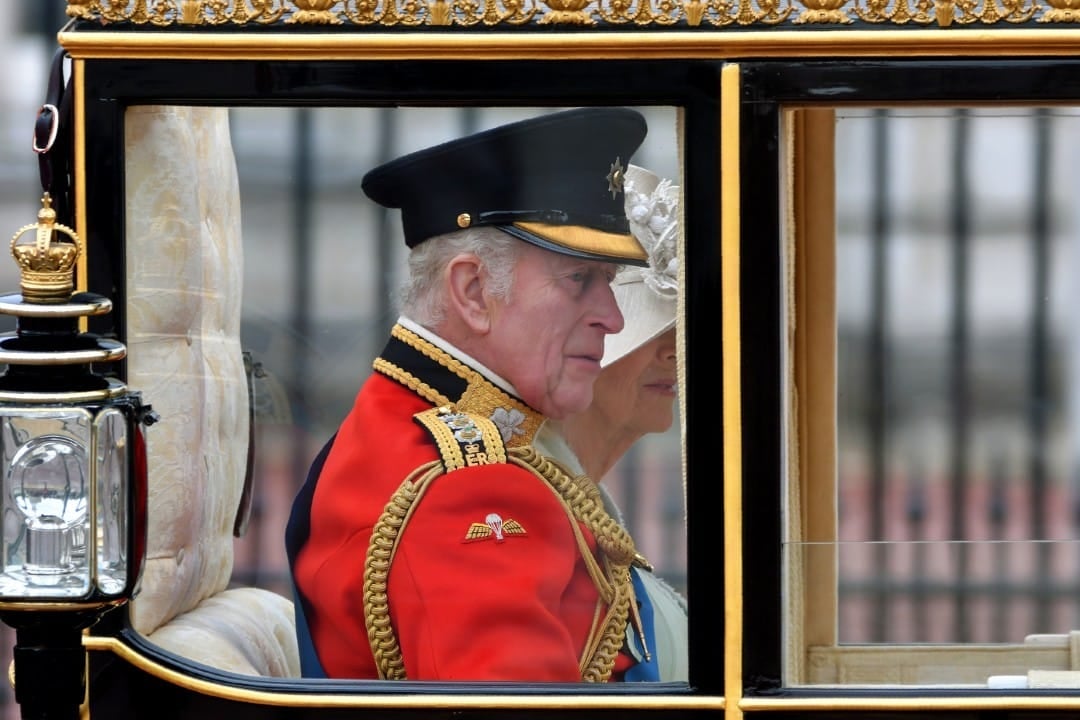 Rei Charles – Foto: Pete Hancock / Shutterstock.com
George’s introduction to royal life is deliberate. In 2024, he attended five public events, from charity functions to ceremonial appearances, laying groundwork for his future. Charlotte and Louis join in smaller capacities, fostering a family image that resonates with the public. William and Kate’s strategy ensures continuity, leveraging their popularity to bridge the gap between Charles’s reign and what lies ahead.
Historical transitions frame the present
The monarchy’s past offers lessons for today’s shift. In 1936, Edward VIII abdicated for love, thrusting George VI onto the throne. George VI’s death in 1952 crowned Elizabeth II at 25, launching her 70-year reign. Elizabeth’s 2022 passing made Charles, at 73, the oldest ascending monarch. These moments reveal a pattern of upheaval, with Charles’s potentially brief tenure echoing Edward VIII’s short rule, hastened by personal crises.
William’s readiness mirrors past heirs thrust into action. Already managing most of Charles’s duties, he blends tradition with a modern ethos, a balance critical to the Crown’s survival. Kate’s recovery and resilience amplify this effort, positioning them as a duo capable of steering the monarchy through its latest evolution.
A new era in the making
William and Kate are sculpting the monarchy’s next chapter. In 2025, William plans 10 international trips and oversees sustainability projects, while Kate targets 60 engagements focused on social good. Their 2024 charity work raised £50 million, reinforcing their stature as philanthropists with broad appeal. This proactive stance aims to secure the Crown’s relevance amid shifting tides.
Kate’s health adds nuance to their ascent. Her gradual return, backed by William’s unwavering support, showcases their partnership’s strength. Public approval, up 10% since 2023 to 75%, reflects trust in their leadership. As Charles undergoes intensive care, their combined efforts signal a monarchy transitioning not just in power, but in purpose.
Economic and cultural weight of the Crown
The monarchy’s economic impact remains robust, injecting £1.8 billion into the UK in 2024, with £500 million from tourism tied to sites like Buckingham Palace. Yet its £100 million yearly cost fuels debate. William and Kate address this through initiatives reaching 5 million people, blending fiscal contribution with social value. Their approach seeks to justify the Crown’s existence in a cost-conscious era.
Culturally, the institution straddles tradition and change. Charles’s approval dipped from 65% in 2023 to 50% in 2024, while William and Kate hold steady at 75%. Their focus on modern issues—mental health, education, sustainability—casts them as relatable royals, a shift from Charles’s more formal reign that could define the monarchy’s legacy moving forward.
Global spotlight on the transition
The Commonwealth, spanning 56 nations and 2.5 billion people, watches closely. Six countries mull republicanism in 2025, following Barbados’s 2021 exit. William’s 10 international trips in 2024 and Kate’s planned global outreach in 2025 aim to bolster ties. Their 20% higher approval rating offers leverage, but sustaining influence requires navigating a bloc increasingly drawn to independence.
Their ability to adapt will shape the Crown’s global role. Charity efforts reaching millions and diplomatic finesse may stem the republican tide, but the stakes are high. The monarchy’s first transition in 70 years hinges on their capacity to merge heritage with a vision that speaks to today’s world.
Next generation steps up
The succession extends beyond William and Kate to their children. George, at 11, took part in five 2024 events, from charity drives to public ceremonies, signaling his early grooming. Charlotte and Louis follow suit with minor roles, crafting a family narrative that appeals to younger audiences. This long-term planning anchors the monarchy’s future.
George’s education covers royal duties, history, and environmental stewardship, echoing William’s priorities. Charlotte and Louis engage in community events, reinforcing a down-to-earth royal image. Together, they represent a monarchy aiming to endure through adaptability and public goodwill.
A legacy at a crossroads
The British monarchy stands at a turning point. Charles’s health crisis, paired with global and domestic pressures, elevates William and Kate as pivotal figures. Their £50 million in 2024 donations and outreach to millions showcase a proactive reign-in-waiting. With 75% approval against Charles’s 50%, they carry public faith into an uncertain future.
As Charles battles cancer, William and Kate guide the Crown toward renewal. Their blend of tradition and modernity faces its ultimate test in a 2025 poised for change. With the Commonwealth and Britain watching, their leadership will determine whether the monarchy thrives or fades in the decades ahead.