
Share
Tweet
Share
Share
The British monarchy stands at a pivotal moment, reshaped by the declining health of King Charles III, diagnosed with cancer in February 2024. At 76, the king’s condition has worsened throughout 2025, sharply limiting his public appearances and shifting the burden of royal duties to Prince William, 42, and Kate Middleton, also 42. Since Charles ascended the throne in September 2022, following the death of Queen Elizabeth II, the Crown has faced challenges testing its endurance. Kate’s own cancer battle, diagnosed in January 2024, adds complexity to this delicate period, as the couple prepares to steer the monarchy through a transition that may come sooner than anticipated. With the Commonwealth and the United Kingdom watching closely, William and Kate balance tradition with modernity, anchoring an institution that generates £1.8 billion annually for the British economy.
Charles’s public engagements plummeted from 200 in 2024 to fewer than 50 in 2025, reflecting the severity of his illness. William has taken on roughly 80% of royal duties, attending over 150 events in the past year, including high-profile international commitments. Kate, constrained by her treatment, plans to resume 20 engagements in 2025, down from her usual 120 in prior years. The couple’s popularity, with 75% approval among Britons, outstrips Charles’s 50%, underscoring their critical role in ensuring the monarchy’s continuity.
External pressures further define this era. Of the 56 Commonwealth nations, 14 still recognize the monarch as head of state, but republican movements are gaining traction, with six countries debating changes in 2025. The monarchy’s £100 million annual cost draws scrutiny, though its £1.8 billion economic impact, including £500 million from tourism, bolsters its case. Amid these dynamics, William and Kate emerge as vital figures in sustaining the Crown’s relevance.
Preparing for a new reign
William has significantly ramped up his role in 2025, establishing himself as the monarchy’s primary figurehead. He led over 20 meetings with foreign policy experts and completed 10 international trips, including the reopening of Notre-Dame Cathedral in Paris in December 2024. His mental health initiatives raised £20 million last year, benefiting millions of Britons and boosting his public approval to 75%. William’s ability to blend traditional duties with contemporary causes positions him as a monarch-in-waiting ready to lead.
Kate, despite her health challenges, remains a key player. Her educational projects supported 2 million children in 2024, and she aims for 60 engagements in 2025, signaling a gradual return. With 70% approval, she complements William’s efforts, reinforcing the monarchy’s image. Together, they’ve driven initiatives reaching 5 million people last year, particularly in sustainability and early childhood education.
William’s leadership: Handles 80% of royal duties, including asset management.Kate’s comeback: Plans 60 engagements for 2025, despite treatment.Economic impact: The monarchy contributes £1.8 billion, with £500 million from tourism.Modernization efforts: Projects benefited 5 million people in 2024.
Their preparation includes intensive training in diplomacy, estate management, and royal protocols, ensuring readiness for an imminent transition. Meanwhile, Charles’s health continues to restrict his involvement, fueling speculation about the monarchy’s next chapter.
King’s health reshapes royal roles
Charles III’s condition, detected after a medical procedure in 2024, has profoundly altered the monarchy’s operations. He undertook fewer than 10 international trips last year, down from 25 in 2023, focusing on treatments that sap much of his energy. This shift has thrust William into managing assets like the Duchy of Cornwall, which yields £20 million annually, alongside charities that amplify the Crown’s global reach.
Kate faces her own health struggle. Diagnosed with cancer in 2024, her engagements dropped from 120 in 2023 to 40 last year. Her resolve to resume 60 events in 2025 reflects resilience. With popularity 20% higher than Charles’s, the couple is a linchpin in a time of uncertainty, maintaining stability amid personal and institutional challenges.
The lack of remission in Charles’s cancer has sparked talk of possible abdication, though Buckingham Palace remains guarded. The monarchy, under pressure to evolve, increasingly relies on William and Kate to preserve its standing in a world questioning traditional institutions.
William takes the forefront
Steering the monarchy in 2025 has demanded extraordinary effort from William. He’s assumed 80% of the duties once handled by Charles, including meetings with global leaders and prominent events. His 10 international trips last year honed his diplomatic skills, while his mental health campaigns raised £20 million, reaching millions. His 75% approval rating signals public trust in his ability to provide stability.
Kate bolsters these efforts, despite constraints. Her educational initiatives, aiding 2 million children in 2024, continue to draw support, with 70% of Britons viewing her as vital to the monarchy. Her goal of 60 engagements in 2025, though modest, underscores her role as a future queen consort. Together, they form a charismatic, committed duo navigating an impending transition.
Their impact is clear. In 2024, their projects generated £50 million in donations, contrasting with Charles’s perceived detachment. Their knack for linking tradition with modern demands strengthens the monarchy amid growing public scrutiny.
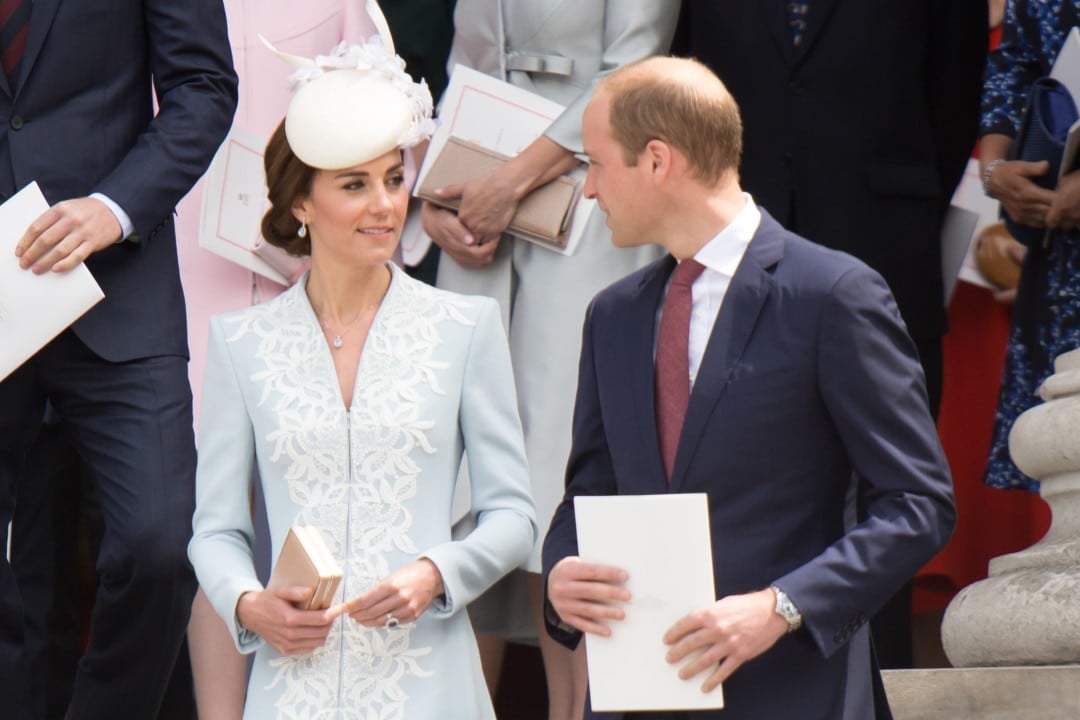 Princess Kate Middleton and Prince William – Photo: Mr Pics / Shutterstock.comGlobal challenges for the Crown
The monarchy faces mounting external pressures. Of the 56 Commonwealth nations, 14 recognize the monarch as head of state, but republicanism is rising. Barbados severed ties in 2021, and 10 countries plan referendums by 2030. The monarchy’s £100 million yearly cost fuels debate, with 40% of Britons questioning its worth in 2024. Yet, its £1.8 billion economic boost, including £500 million from tourism, remains a strong defense.
William and Kate counter criticism with tangible action. Their initiatives reached 5 million people in 2024, raising £20 million for charity. Their 75% approval, 20% above Charles’s, is crucial for sustaining the Crown’s influence amid global uncertainty.
Reduced travel: Charles attended fewer than 10 international events in 2024.William’s role: Manages 80% of royal duties, including estates.Kate’s return: Plans 60 engagements for 2025.Republicanism: Six Commonwealth nations debate changes in 2025.
Their ability to uphold historic ties will be tested, with six nations set to discuss republicanism in 2025. The monarchy, unaccustomed to transitions after 70 years, faces a defining moment.
Modernizing amid crisis
Adapting the monarchy to a changing world is a priority for William and Kate. Their focus on mental health and sustainability resonates with younger audiences, benefiting 5 million people in 2024. Their projects raised £50 million in donations last year, compared to Charles’s 50% approval. Connecting tradition with contemporary needs is key to the Crown’s survival.
Charles, limited by health, attended fewer than 50 engagements in 2025, down from 200 in 2024. This decline fuels speculation about his reign’s future, with some analysts suggesting abdication, though unlikely soon. William, already prepared, oversees estates and charities that enhance the monarchy’s global presence.
Kate continues her work in early education, supporting 2 million children in 2024. Her gradual recovery, with 15 public events last year, symbolizes determination. The couple tackles the challenge of keeping the monarchy relevant, with six Commonwealth nations debating shifts in 2025.
Succession line takes shape
The British succession is increasingly clear. William, first in line, handles 80% of Charles’s duties, including 10 international trips in 2025. Kate, the future queen consort, plans 60 engagements next year, solidifying her role. Prince George, 11, joined five public events in 2024, beginning his royal introduction.
Princess Charlotte and Prince Louis follow, with Prince Harry and his children, Archie and Lilibet, further down. George’s early involvement signals urgency in ensuring continuity, as William and Kate juggle duties and parenting amid crisis.
Their 75% approval outshines Charles’s, whose health curbs his role. The monarchy, pressed to adapt, finds in the couple a robust foundation for what lies ahead.
Historical milestones of the monarchy
Britain’s royal history provides context. In 1936, Edward VIII abdicated, passing the throne to George VI. In 1952, Elizabeth II took over at 25, reigning for 70 years. Charles III, ascending at 73 in 2022, faces a reign shaped by health struggles, potentially the shortest since Edward VIII.
William and Kate, primed for transition, operate in a starkly different landscape from Elizabeth II’s stable era. Their initiatives, reaching 5 million in 2024, aim to keep the Crown relevant amid debates over its cost and role.
Their rigorous training—William in global meetings, Kate in social causes—paired with 75% approval, equips them for leadership in uncertain times.
Resilience through adversity
Kate’s health adds complexity. Her 2024 diagnosis cut engagements by 70%, yet she targets 60 events in 2025, showing grit. William, managing royal estates, raised £20 million for charity in 2024, supporting 2 million children and enhancing the Crown’s image.
Charles, with fewer than 50 engagements in 2025, focuses on treatment. His 25 international trips in 2023 fell to under 10 in 2024, mirroring his condition’s toll. The monarchy, pushed to evolve, leans on William and Kate’s pragmatism and popularity.
Their projects, yielding £50 million in donations, counter Charles’s perceived distance. With 75% approval, they signal public faith in their vision for the monarchy’s future.
Royal engagement calendar
The monarchy maintains a demanding schedule, even in crisis. William led 150 events in 2024, with 10 international trips planned for 2025. Kate, with 60 engagements set for next year, resumes gradually. Charles, health-bound, managed fewer than 50 events in 2025.
William: 150 events in 2024, 10 international trips in 2025.Kate: 60 engagements planned for 2025, up from 40 in 2024.Charles: Under 50 events in 2025, down from 200 in 2024.Commonwealth: Six nations debate shifts in 2025.
These figures highlight the urgency of preparing the next generation. The monarchy, facing its first transition in 70 years, tests its resilience with William and Kate leading.
A future under new leadership
As Charles undergoes intensive treatment, William and Kate solidify their roles. William’s 10 international trips in 2025 and Kate’s 20 planned engagements reflect their commitment to the monarchy’s relevance. The Crown’s £1.8 billion economic impact, paired with the couple’s 75% approval, provides a firm foundation for transition.
The Commonwealth’s 2.5 billion citizens watch closely, with six nations debating changes in 2025. William and Kate, blending tradition with modernity, are central to the monarchy’s next chapter. Their initiatives, aiding 5 million people in 2024, underscore the Crown’s adaptability in a transformative era.
 British monarchy, British monarchy modernization, Câncer, Charles III, Charles III câncer 2025, Commonwealth, Crown, health, Kate, Kate Middleton health, modernization, succession, William, William and Kate royal succession