
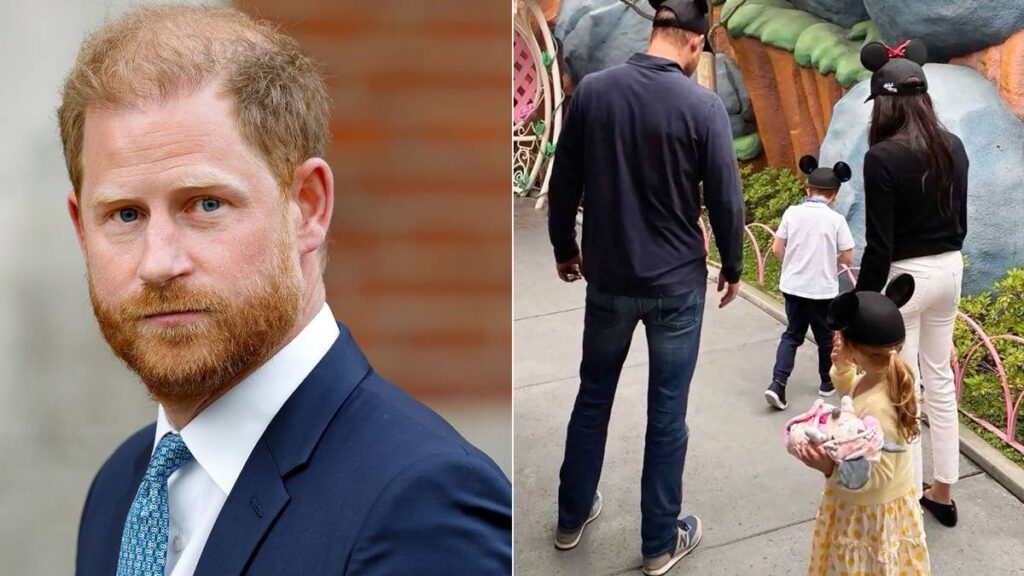
Members of the royal family have long kept their parenting struggles private, but Prince Harry spoke candidly about his emotional struggles when first becoming a parent in 2019 while speaking at a Movember event earlier this week amid his and Meghan Markle’s ongoing Australian tour.
The Duke of Sussex, 41, shared a deeply personal insight into how he felt when his son, Prince Archie, was welcomed into the world, explaining: “Certainly, I felt a disconnection because my wife was the one creating life, and I was there to witness it.
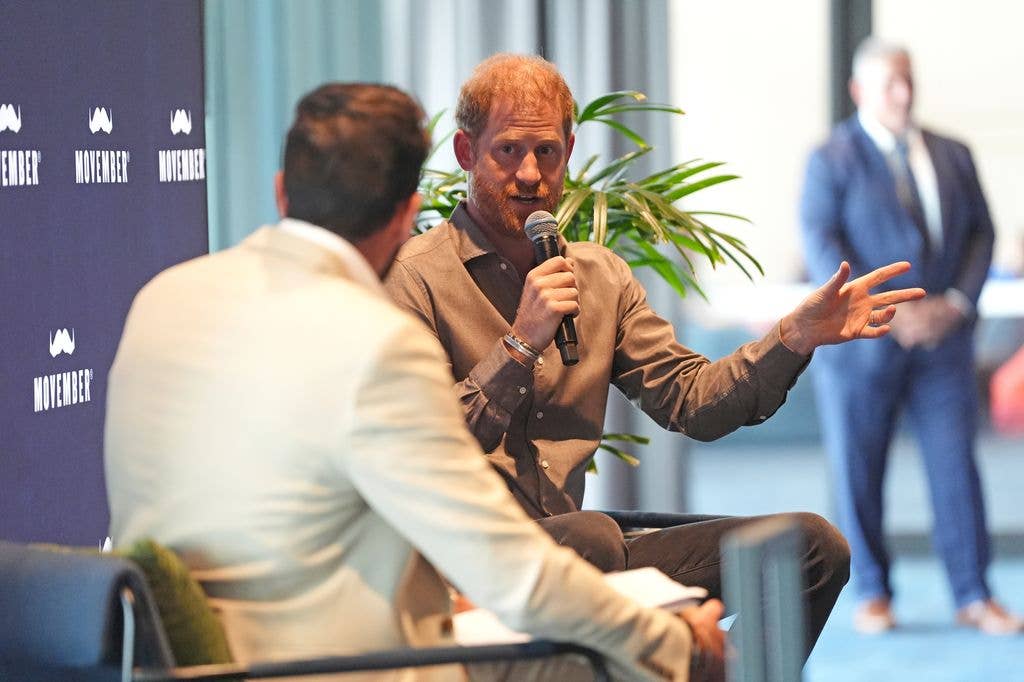 © Getty ImagesPrince Harry made the comments about Archie during a Q&A session in Melbourne
“I think for many guys, you try to think about what service I can provide at this point, because my work here is done to some extent.” Harry did not shy away from describing the newborn days of his son’s life as “a real struggle” and stressed the importance of taking the time to become aware of one’s own feelings after the birth of their child.
Understanding Harry’s perspective on early fatherhood
Senior adult psychotherapist, Laura Gwilt, from Swift Psychology, tells us that the feelings Harry describes are common. “Many fathers report a sense of disconnection during pregnancy, particularly because they’re not physically experiencing the changes or feeling the baby develop. That can leave some feeling like observers rather than participants, and unsure what their role is,” she says.
Recommended videoYou may also likeWATCH: Prince Harry admits the ‘struggles’ of being a dad
Laura adds: “The idea of trying to be ‘useful’ or provide a service is very familiar. Many fathers lean into practical or supportive roles because it gives them a clearer sense of purpose during a time that can otherwise feel abstract.
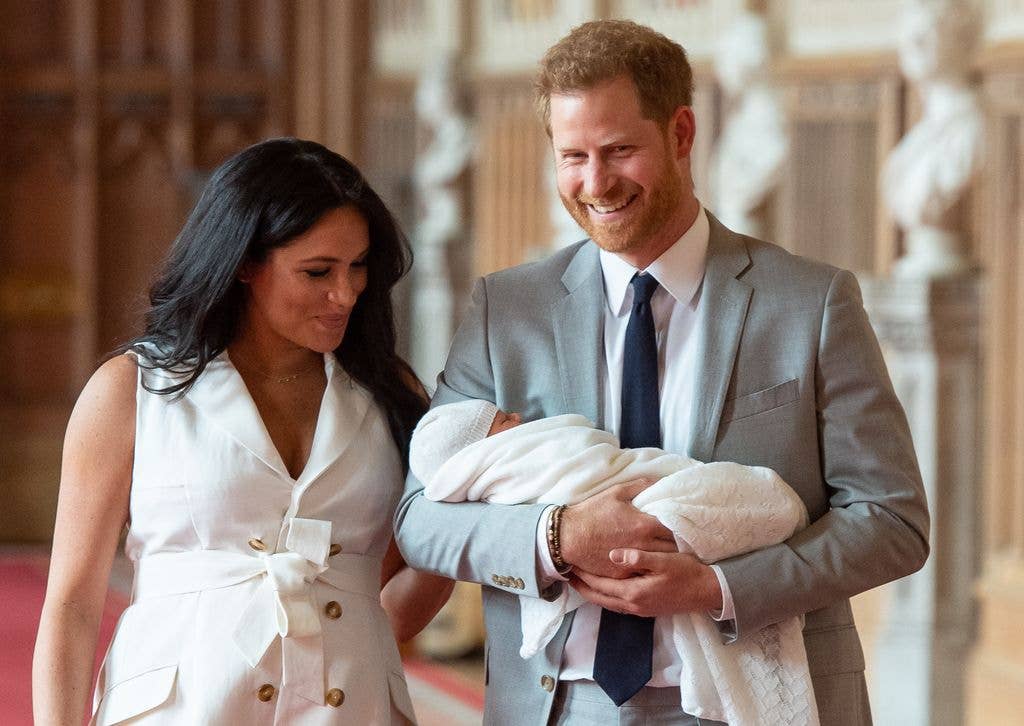 © GettyPrince Archie was born in London in 2019
“One of the most helpful shifts I see is when partners explicitly talk about this, asking each other, ‘What do you need from me during this time?’ rather than trying to guess. That kind of open communication tends to reduce anxiety on both sides and helps fathers feel more actively involved.”
Normalising feeling disconnected
The psychotherapist also says that it is important that Harry’s comment about feeling disconnected after the birth of Archie is normalised. She explains: “What I see with my clients is that the early weeks can be emotionally complex for both parents. While there’s often a strong cultural expectation that bonding is immediate and instinctive, the reality is that attachment can take time to build, especially for fathers or non-birthing parents.
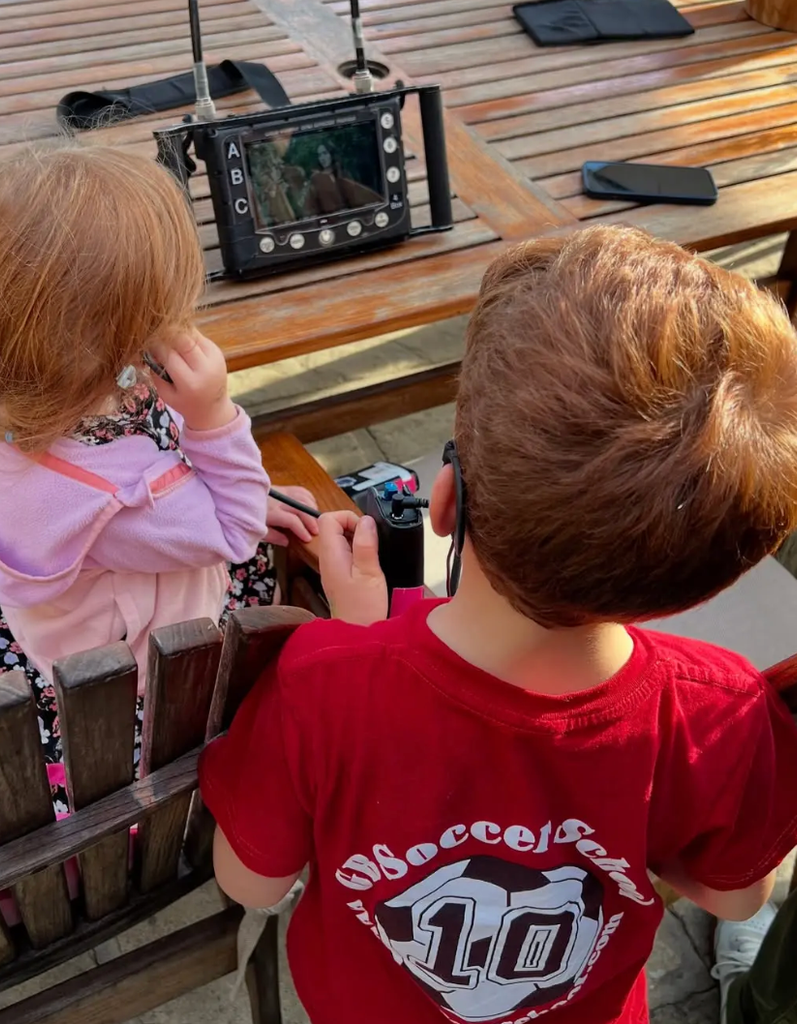 © InstagramHarry opened up about feeling initially “disconnected” from Archie
“Sleep deprivation, changes in identity, and shifts in the couple’s relationship all play a role,” Laura adds of the factors impacting a parent’s capacity to bond with their newborn child. “We know that bonding is not a single moment but a process, and it’s supported by repeated, consistent interaction; things like feeding, soothing, holding, and simply spending time with the baby. When fathers are actively involved in care, that sense of connection tends to grow more quickly.”
Creating space rather than silence
Laura says that in opening up about his experience, Harry creates space for support rather than silence: “I also think his point about being aware of how you feel after the baby is born is key.
 © ABC / Meghan MarkleIn 2021, Harry became a father for a second time
“I often encourage parents, particularly fathers, to pay attention to their own emotional responses in that period, because paternal postnatal depression and anxiety are real but still under-recognised. Noticing disconnection, low mood, or irritability early can make a big difference in getting the right support.”