
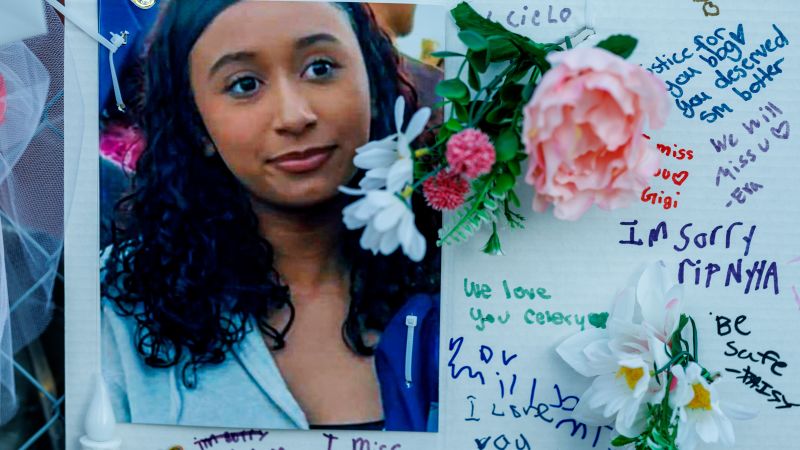
Seven months after a 14-year-old girl’s body was found in d4vd’s car, Los Angeles prosecutors announced the alt-pop singer has been charged with first-degree murder, mutilation of human remains and sexually abusing a child.
Among the first questions from reporters: What took so long?
Since Celeste Rivas Hernandez’s dismembered body was found, Los Angeles authorities have convened a grand jury, subpoenaed d4vd’s family and friends, and carefully shielded autopsy results and other investigative findings from the public. As weeks stretched into months, investigators drew criticism for their silence and lack of an arrest, even as the crime has continued to attract national interest.
Attorneys for d4vd, who has since pleaded not guilty, said Monday they believe the evidence will show d4vd “did not murder Celeste Rivas Hernandez and he was not the cause of her death. We will vigorously defend his innocence.”
Acknowledging criticism of the monthslong investigation, Los Angeles Police Chief Jim McDonnell said Monday, “My duty is not to fuel speculation.”
“It is to deliver justice, and that requires patience and discipline on everybody’s part,” he said. “This investigation was driven by a single purpose: to secure justice for Celeste Rivas (Hernandez) and for those who loved her. We had to be certain that nothing we did or said would ever jeopardize this case.”
Ultimately, legal analysts tell CNN several factors may have prolonged the investigation, including severely decomposed evidence, sensitive charges involving a minor and a handful of difficult witnesses.
But they were divided on whether criticism of the arrest timing may be justified.
“I live and work in LA and Celeste’s case, it’s really been a dark cloud hanging over the city. I do think the criticism of LAPD is warranted,” former federal prosecutor Neama Rahmani said.
Still, he said, the most important job of a prosecutor is “to get it right.”
A badly decomposed body
Perhaps one of the most obvious hurdles for investigators was the advanced decomposition of Celeste’s remains, which had been sealed in the trunk of d4vd’s Tesla for months before they were discovered in September.
The car had been abandoned on a street and taken to a Hollywood impound yard, where an employee called police due to a foul smell radiating from the car.
Though Celeste’s cause of death has been sealed by a judge, prosecutors have said her body had been dismembered and separated into two bags. A medical examiner’s statement at the time described the remains as “severely decomposed.”
“The condition of her remains delayed the medical examiner’s ability to be able to determine cause of death,” McDonnell said.
When a body degrades, valuable evidence is lost, said CNN legal analyst Joey Jackson. Without fresh forensic evidence, investigators likely had to turn to more advanced technologies to analyze evidence — a process that can take time.
“You’re not going to get a clean hair fiber that you would in a normal situation. You may not get a nice blood sample. You may not get a skin sample because the skin cell DNA is so degraded,” Jackson said.
Contamination of the car as it sat for months and was moved to a different location would also make forensic analysis “more involved,” said Laurie Levenson, a former federal prosecutor who now teaches law at Loyola Law School.
Other types of evidence may also have been more difficult to gather because of the passage of time, Levenson said. Investigators must go back months to recreate a timeline, identify possible witnesses and determine who had access to d4vd’s house and car, she said.
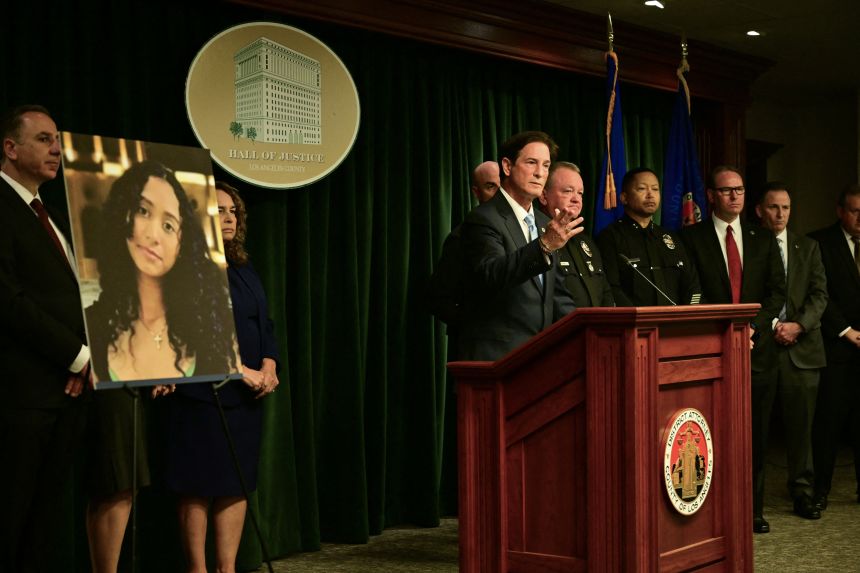
When pressed Monday on why charges took several months, Los Angeles County District Attorney Nathan Hochman said investigators wanted to ensure they were thoroughly looking through evidence.
“We had to go through tons of digital and forensic evidence. We had to speak to witnesses, both who were cooperative and uncooperative, in order to assemble the totality of evidence that led to the charges today,” Hochman told CNN.
During a press conference Monday, Hochman described charges against d4vd as “the most serious charges that a DA’s office can bring.”
The first-degree murder charge, which would carry a penalty of death or life in prison without parole, was aggravated by special circumstances: lying in wait, committing a murder for financial gain and murdering “a witness to a crime,” Hochman said. The singer is also accused of continuous sexual abuse of a child under 14 years old and mutilating human remains.
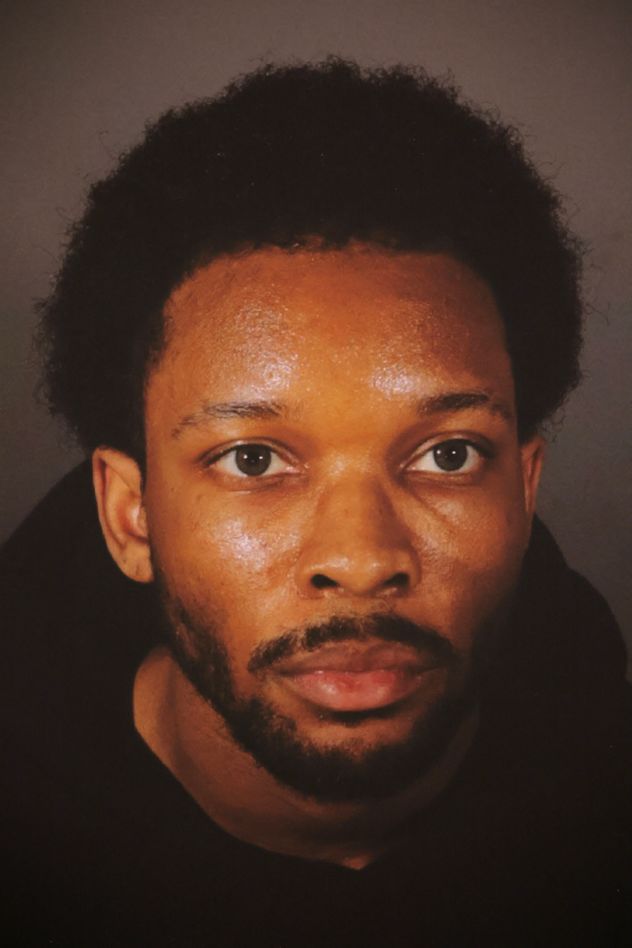
“If you just charge first-degree murder without special circumstances and someone gets convicted, they’re looking at 25 years to life,” with the possibility of parole, Hochman told CNN. But special circumstances can make this case into a life sentence without the possibility of parole, and death penalty eligible.
The gravity of the charges – and the penalty they carry – may have led police and prosecutors to take extra care in building their case, Levenson said.
“You want to find out as much as you can before you bring the charges, because once you bring the charges, the clock starts running, and you have to be ready to bring a pretty sophisticated case,” she said.
“There’s some fundamental questions that have to be answered, which is, how did this minor come in contact with him? What was the nature of the relationship? Who knew about it?” Levenson added.
A ‘secretive’ grand jury investigation
At d4vd’s arraignment Monday, one of his attorneys requested a preliminary hearing as soon as possible, citing the need to convene publicly after months of “secret grand jury proceedings.”
While grand juries are not disclosed publicly, CNN has reported d4vd was identified in court documents as a “target” of a grand jury investigation.
It is unclear why a grand jury never handed down an indictment in the case and prosecutors instead chose to charge d4vd using a criminal complaint. But analysts pointed out prosecutors may have called the grand jury with the intention of using the jury’s investigation and subpoena powers.
The ability to subpoena witness testimony could later strengthen prosecutors’ case at trial, said Rahmani, the former federal prosecutor who is also president of the West Coast Trial Lawyers.
“I think the purpose was to make them testify under oath, under penalty of perjury. So when you call them at trial, they don’t change their story,” said Rahmani.
He added: “There’s a significant advantage for the prosecution, especially when you need to get a preview of what the witness will say. But also, I think the better reason, and the reason in this particular case, is you want to lock them in.”
However, Jackson noted if the case goes to trial, it’s possible the grand jury could work in the defense’s favor. Witnesses are not always consistent in their stories, giving defense attorneys an opportunity to question their credibility.
“The defense has a right to all those grand jury materials, and it gets murky for prosecutors at times,” he said. “You do have situations of plenty where people may have told the grand jury one thing, and then during a trial they say another.”
Hochman, the district attorney, indicated Monday that investigators do not have an eyewitness account of Celeste’s killing, requiring them to painstakingly gather digital and forensic evidence and other witness testimony. But some witnesses seem to be reluctant to participate.
The singer’s family has been among them. His relatives had resisted efforts to subpoena them to the grand jury, according to court filings in the dispute. A Texas judge ordered them to attend.
Prosecutors have likely been trying to glean information from d4vd’s close associates, including his inner circle of friends.
In January, a young associate of d4vd’s, who spent time with him at the house in the Hollywood Hills and was often photographed with him at events, was arrested on a material witness warrant, CNN has reported.
“When you have people who are not cooperative, and you don’t have people who can just come freely tell you, and people who are stonewalling, obviously it’s going to lead to a delay,” Jackson said.
When asked whether they felt the criticism of the monthslong gap between the discovery of Celeste’s remains and an arrest in the case was justified, the three legal analysts were divided.
“As a former prosecutor, the most important thing is to get it right,” Rahmani said.
“But when you have a girl who’s missing and LAPD not providing updates, and you have an individual who is an alleged perpetrator just walking free for seven months … It’s a big problem, not just from a criminal justice perspective, but just public trust,” he said.
However, Levenson and Jackson did not feel the decision took an unreasonable amount of time.
“I am not surprised it took so long, actually, because it was so bizarre that the prosecutors must be thinking, ‘There’s something more to this than what meets the eye,’” Levenson said.
Levenson also pointed out that death penalty is on the table, making it especially important for prosecutors to be confident in their decision.
The suspect’s high profile has undoubtedly contributed to the public’s impatience for an update in the case, Jackson said.
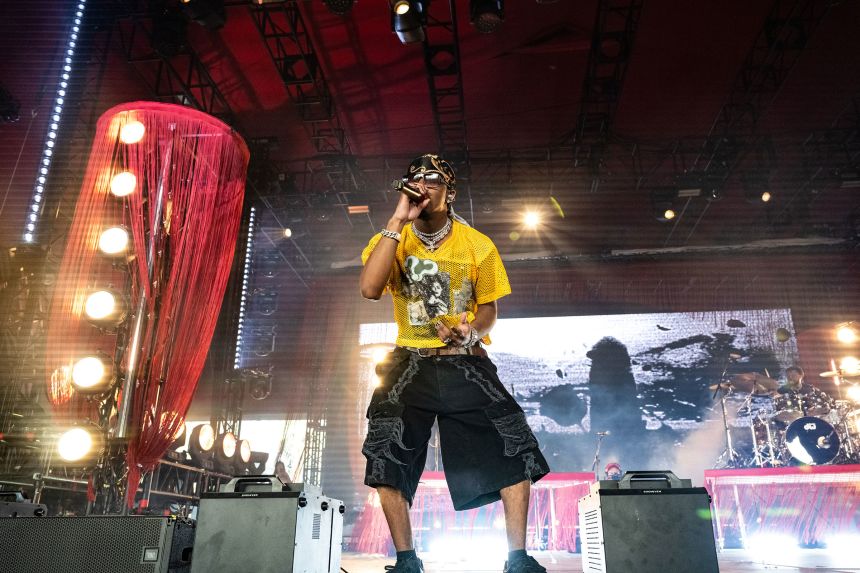
“This doesn’t appear to me to be an overly significant or unreasonable amount of time,” he noted.
“We as a society can’t have it both ways,” Jackson said. “We can’t cry foul because there’s a rush to judgment because someone’s arrested 30 seconds later, right? But then at the same time, we’re upset when the police and prosecutors take their time to do deliberation, convene a grand jury, get all the witnesses and do things the right way.”
“I want a police department that’s going to take their time and do their job and kind of make an assessment that somebody may be responsible,” he added, “as opposed to just grabbing people out of their houses so that they can satisfy a blood thirsty public that wants an arrest tonight.”
CNN’s Thomas Bordeaux, Allison Gordon and Kyung Lah contributed to this report.