
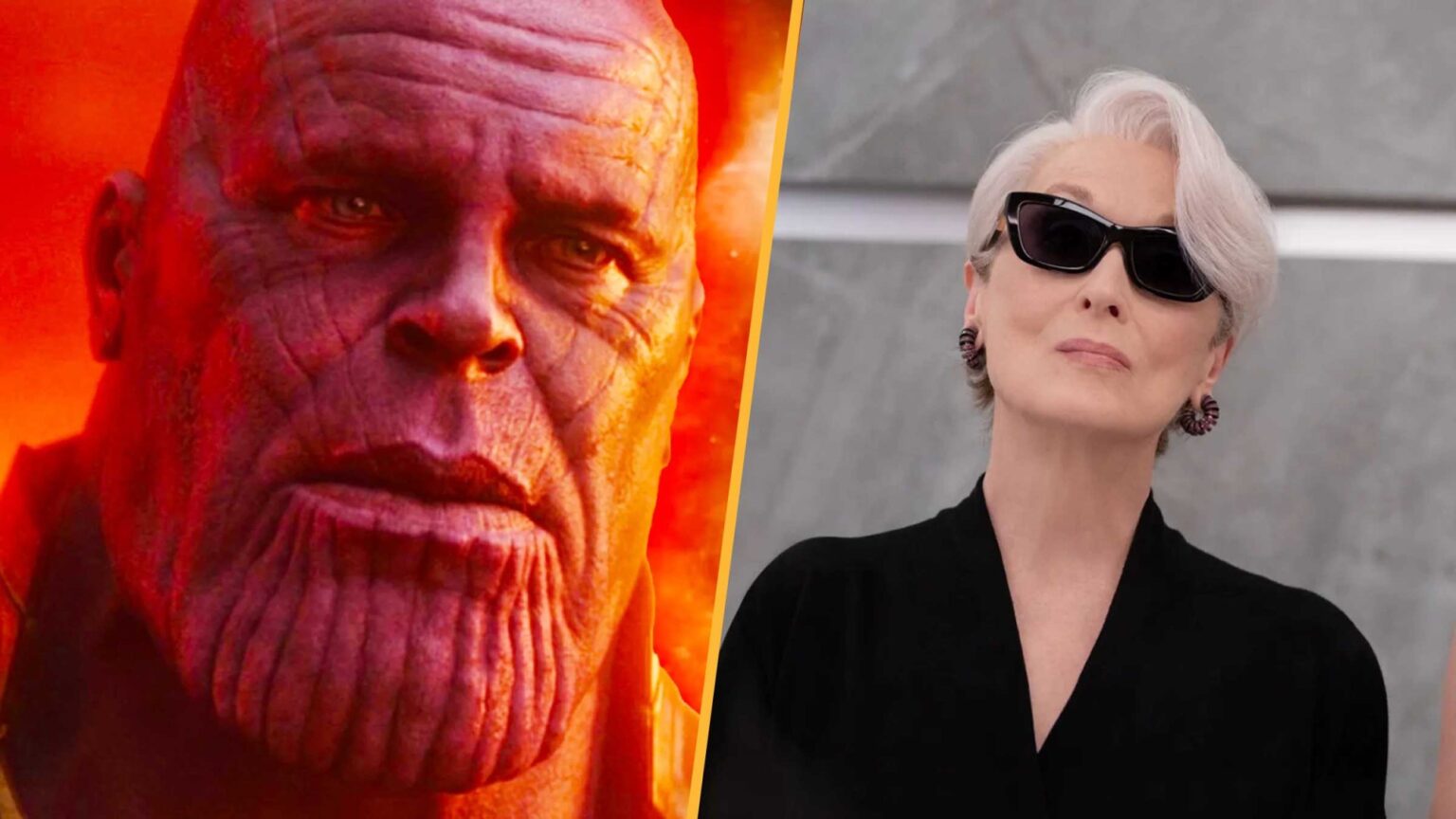
When it comes to superhero movies, it seems like everyone has an opinion but it’s especially true for Marvel movies. While there is no question that the Marvel Cinematic Universe has had huge impact on the box office and Hollywood in general, there are those who question whether that impact has been a positive thing. Filmmaker Martin Scorsese infamously declared Marvel movies to be “not cinema” and now another Hollywood icon is sharing their thoughts—and it turns out she’s not a big fan of Marvel’s impact on movies, either.
In an interview for Hits Radio Breakfast Show (via The Hollywood Reporter) Streep, who reprises her role as Miranda Priestly in The Devil Wears Prada 2, was asked about the new film offering up additional dimensions to the iconic character and that’s when Streep revealed that she feels like movies have been “Marvel-ized” and noted how it’s “so boring.”
“I feel like you get a realistic view,” Streep said of her character before continuing. “I think we tend to Marvel-ize the movies now. We got the villains and we got the good guys, and it’s so boring.”
She added, “What’s really interesting about life is that some of the heroes are flawed and some of the villains are human and interesting and have their own strengths. So, that’s what I like about this [movie]. It’s messier.”
Meryl Streep Isn’t Wrong About the Marvelization of Movies (But That Doesn’t Make Marvel Movies “Bad”)
While Marvel fans might read Streep’s comments and feel like she’s dissing them or the superhero genre in general, the reality is she’s not entirely wrong on some level—but she’s also not saying that Marvel movies are necessarily bad. One of the key elements of superhero stories is a straightforward element of good versus bad, heroes versus villains. That sort of black and white dichotomy lends itself to a somewhat simplistic approach to storytelling, particularly when it’s done over a huge scale in the way that most films in the MCU are. While there is certainly some nuance with the heroes and villains even in the MCU, the films really aren’t set up to explore the flaws of hits heroes and the humanity of its villains in a real way.
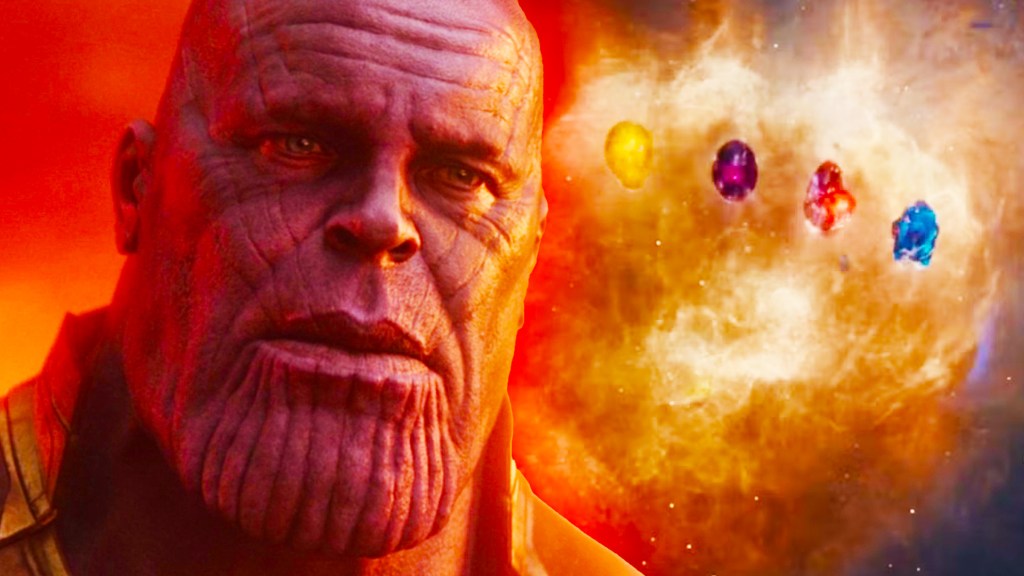
A primary example of this would be Thanos. When Avengers: Infinity War first arrived and we saw the Mad Titan carry out the devastating snap, we were given not only his general reasoning for it—he wanted to solve the issue of deprivation and the depletion of resources through the universe by “balancing” things—but also saw the emotional cost to him with his sacrificing Gamora. Now, to be clear, his reasoning doesn’t absolve him from this being a horrific act, but it was, at least for a moment, a brief bit of nuance to the character. However, we don’t ever really get to dig into that, even in Avengers: Endgame which leaves Thanos as just a direct villain with no rounding out.
It’s a storytelling strategy that works well when taking a comic book stories and putting them on screen; after all, the MCU is often pulling together decades of stories and characterization just to make one film. But it’s not necessarily something that is appropriate for other stories and that’s where Streep’s comments ring very true. While other movies and genres have been trying to emulate Marvel’s massive success, we’ve also seen that black and white hero versus villain sort of story become more the norm in films intended to be box office favorites and it does get a little boring. The best stories are complex ones—and it’s something that works differently for different kinds of films and sometimes, good versus bad just isn’t enough.
What do you think? Leave a comment below and join the conversation now in the ComicBook Forum!