
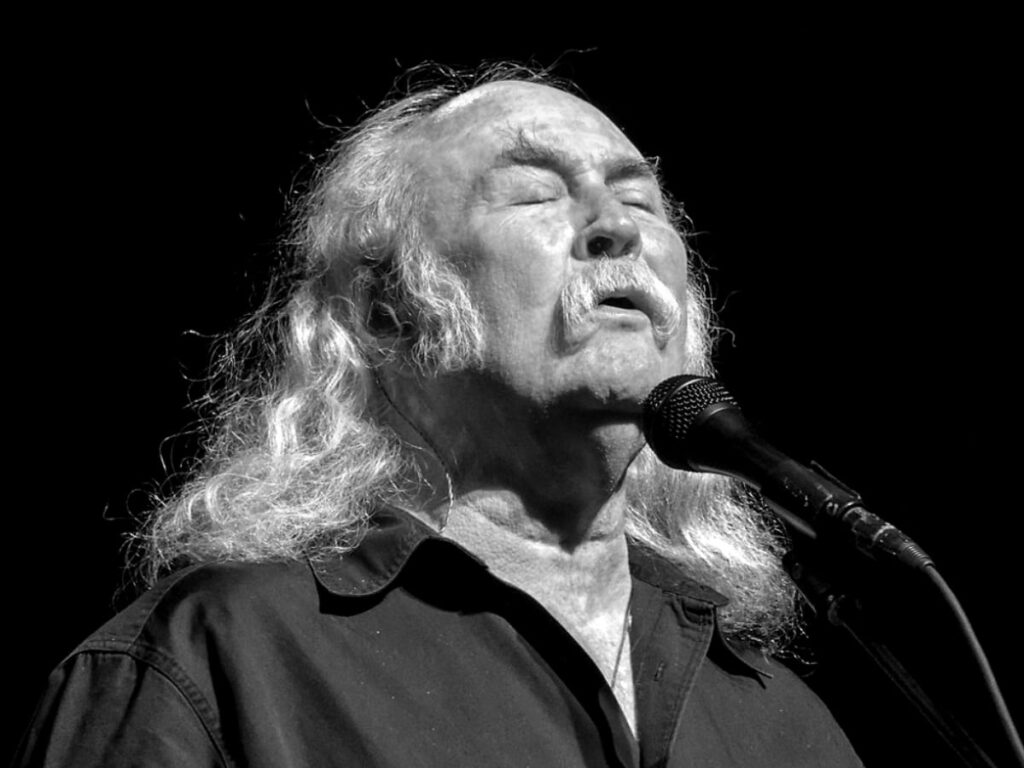
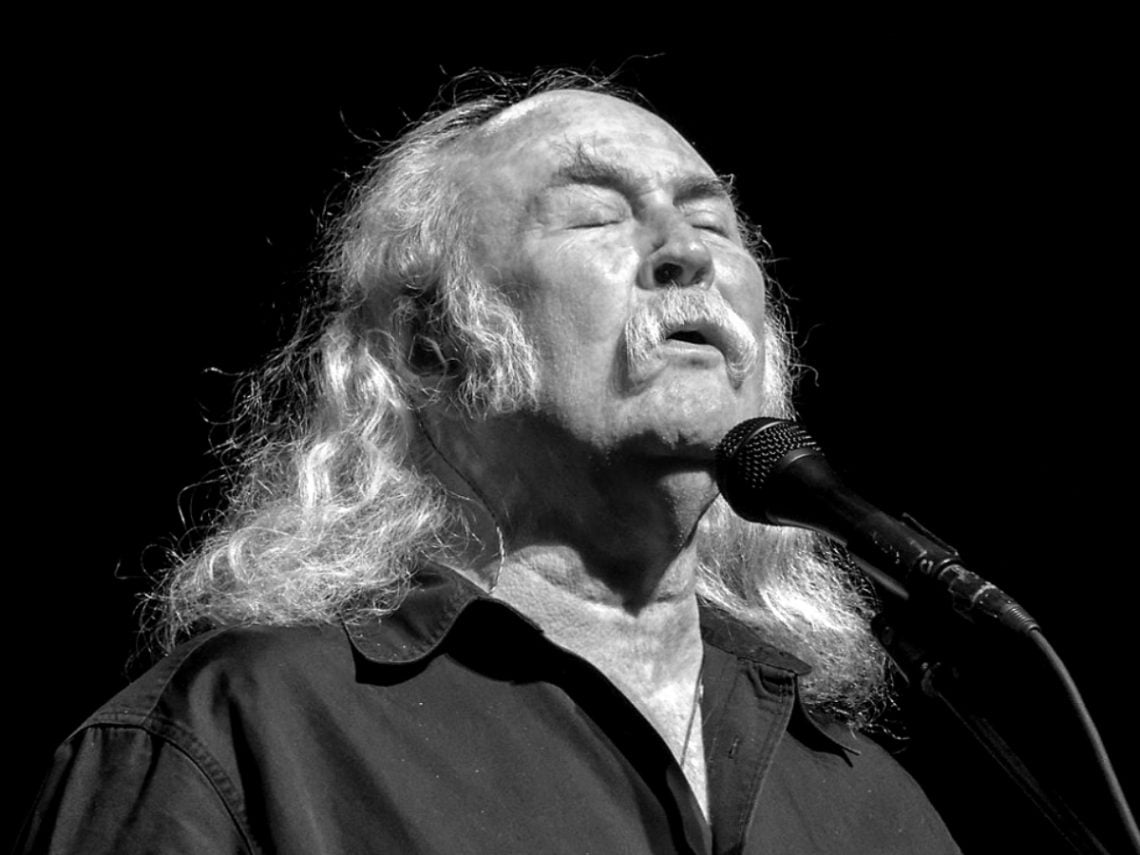
Credit: Christopher Michel
David Crosby didn’t want to settle for any other producer when he was working on one of his records.
His collaborators need to have a deep understanding of what he was doing before he even played a note of music, which probably explains why he felt that he had run his course with The Byrds after one too many times of playing typical radio rock. But even if Crosby had a lot of friends that he could rely on, he knew that not everybody had the same ideas that he had whenever they were working on one of his tunes.
To be fair, though, Crosby was never going to be the easiest person to understand on a daily basis, either. His perception of rock and roll also included looking through some of the biggest names in jazz alongside rock and roll, and if he was going to create a melody for any number of his songs, it had to have the same kind of strength as the tunes he was hearing out of people like John Coltrane before he started picking up a guitar.
But not everyone is cut out that way when they’re making a record. Graham Nash and Stephen Stills may have understood that kind of approach perfectly when making those first Crosby, Stills, and Nash albums, but when they began working with Rick Rubin, Crosby felt that he was on a completely different planet compared to what his bearded counterpart was doing behind the board.
Because, really, a lot of what Rubin is known for involves thinking outside the box of conventional rock and roll. That should have been a slam dunk for someone as experimental as Crosby, but since Rubin didn’t know the first thing about playing any instrument, his idea of listening for the vibe until the whole thing sounded right wasn’t going to do the singer any favours when working on the record.
It was bad enough that Rubin would sit back and lounge in the control room while listening for what the song needed, but Crosby drew the line when he started to nix certain songs from the track list of his album without any reason. Rubin felt that the band didn’t need to get bogged down with playing Beatles songs, but Crosby felt that he would rather have his artistry than be told by a glorified A&R man what should be on his record.
Crosby could at least admit that he and Rubin were on different wavelengths, but he felt that the producer got a lot more credit than he deserved, saying, “I’ll frame it like this: Rick Rubin’s a poser and I don’t think he knows shit about producing. I don’t think he’s any good at all. And he made some serious mistakes. He’s not a player or a singer or a song guy. He’s a guy who talked his way into being highly thought of a producer. I don’t think he’s that good.”
That said, it’s not like Rubin hasn’t been able to put his money where his mouth is now and again. Some of the best records that he ever worked on were when he was taking a backseat to the musicians or suggesting different songs to play, and even if the idea of him dropping a few songs from the album didn’t work well with Crosby, it seemed to work wonders when he worked with Johnny Cash on some of his masterpieces.
It wasn’t anything personal when Rubin suggested going in a different direction, but you have to know one important thing about David Crosby. He was going to do whatever the hell he wanted, and if the rest of the people in the studio didn’t like where he was going, he was willing to bulldoze right over everyone else’s opinion if it meant getting the song to sound exactly how he wanted it.
ADD AS A PREFERRED SOURCE ON GOOGLE 