
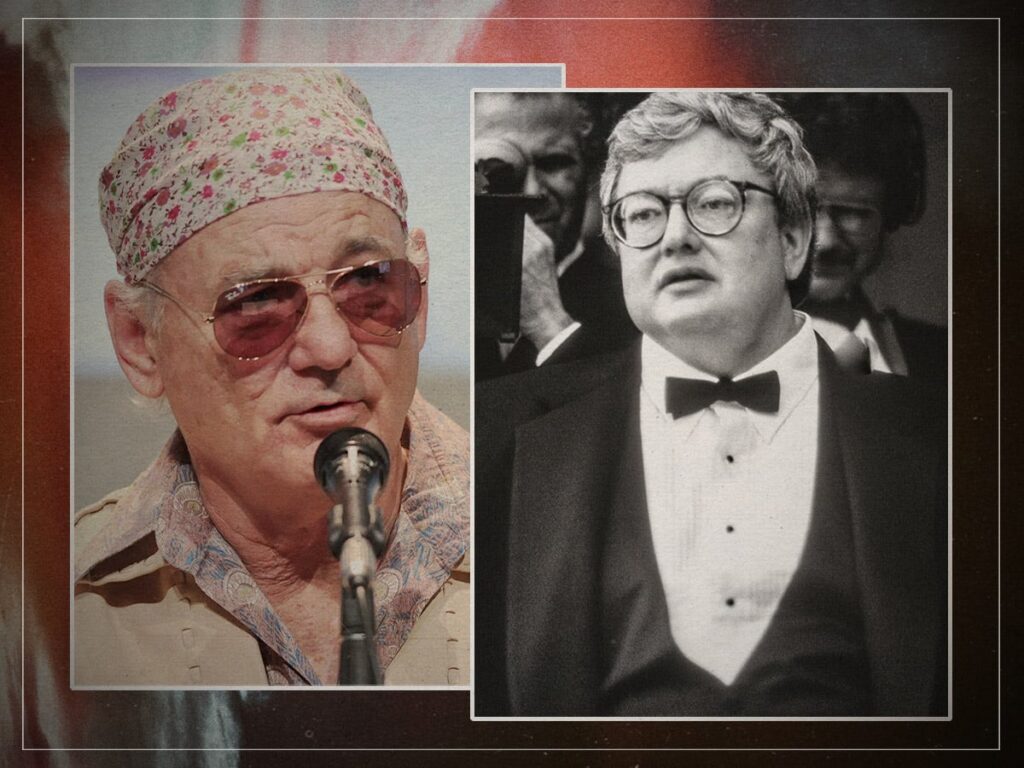
Credit: Far Out / Gage Skidmore / Thomas Hawk)
To many, getting paid to watch movies and then writing your honest thoughts about them sounds like a perfect job. Roger Ebert was able to devote his life to cinema by working as a film critic, sharing his opinions on as many movies as he could squeeze into his schedule.
While this certainly sounded like any cinephile’s dream, the critic had to sit through a lot of bad movies – the kind that have you zoning out and thinking about what your next meal is going to be.
Ebert’s taste was sometimes surprising; he praised many movies that others slated, while panning those that others held up as modern-day classics. Regardless, his reviews often made very accurate points about the cinematic climate, and his natural wit and readiness to whip out some ruthless insults where necessary made him an iconic figure in his industry.
It’s interesting to see what Ebert had to say about certain films that have gone on to receive cult status – many of which the critic absolutely hated. This was the case with a specific 2000 film that has since become beloved by many for its campy elements – Charlie’s Angels. Based on the ‘70s television series, the movie brings the premise into the modern day, with Lucy Liu, Cameron Diaz, and Drew Barrymore starring as the respective angels, and Bill Murray playing John Bosley.
Ebert was not impressed when he watched the McG-directed movie, giving it just half a star out of four. The critic was brutal with his opening lines, writing, “Charlie’s Angels is eye candy for the blind. It’s a movie without a brain in its three pretty little heads, which belong to Cameron Diaz, Drew Barrymore and Lucy Liu. This movie is a dead zone in their lives, and mine.”
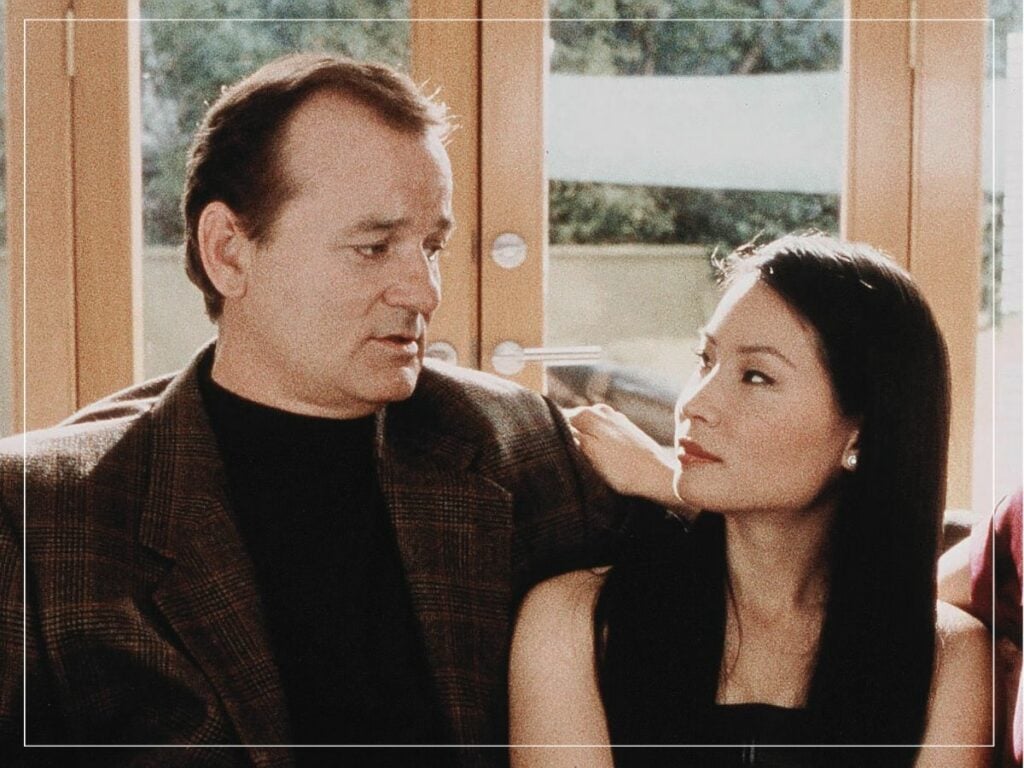 Credit: Press / Columbia
His reaction highlighted the gap between what the film set out to do and what he valued as a critic. Where Charlie’s Angels leaned into style, spectacle and self-aware absurdity, Ebert was searching for substance and coherence, leaving him cold to its deliberately exaggerated tone.
That disconnect has since become part of the film’s legacy. While critics like Ebert dismissed it at the time, audiences embraced its unapologetic energy and playful approach, helping it evolve into a cult favourite that thrives precisely because it doesn’t take itself too seriously.
You can’t help but feel as though Ebert’s review of the purposefully fun movie is loaded with a little sexism – would he choose the same words if the protagonists were men? “What is it? A satire? Of what? Of satires, I guess. It makes fun of movies that want to make fun of movies like this. It’s an all-girl series of mindless action scenes,” he wrote.
Ebert continued to express his dissatisfaction by writing, “Why, I am asking, is this funny? I am thinking hard. So much money and effort was spent on these explosions that somebody must have been convinced they had a purpose, but I, try as I might, cannot see them as anything other than action without mind, purpose, humor, excitement or entertainment.”
“Charlie’s Angels is like the trailer for a video game movie, lacking only the video game, and the movie,” he surmised. Ebert might not have liked the film, but that didn’t stop it from grossing $264.1million against a $93million budget. Charlie’s Angels: Full Throttle was released three years later, before a third movie with a different cast, simply called Charlie’s Angels, emerged in 2019 to much less success. While the series might divide opinion, it’s undeniable that ever since Charlie’s Angels was released 25 years ago, people have routinely returned to the movie for some lighthearted action and satire.
ADD AS A PREFERRED SOURCE ON GOOGLE 