

Translated from Swedish to English using AI:
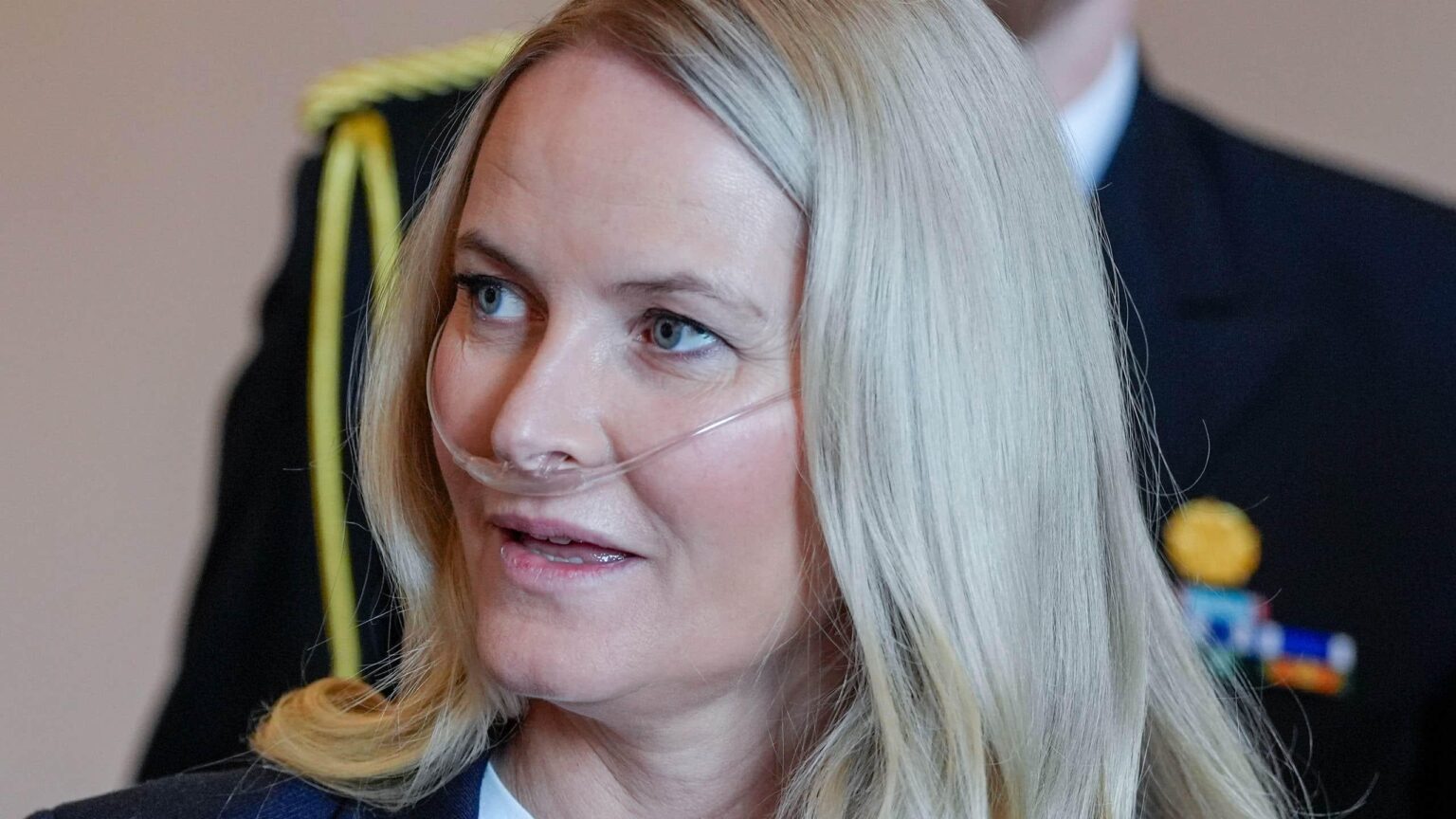
The Norwegian royal court announced on Wednesday that Mette-Marit, 52, has undergone a lung transplant, after having been on the waiting list for around two weeks. The crown princess suffers from pulmonary fibrosis and her symptoms have gradually become more serious.
It is unclear when the operation was carried out at the hospital in Oslo.
According to information obtained by Expressen, a Swedish pilot who was stationed in northern Sweden received the urgent assignment late one evening last week to collect an organ in a city in a Nordic country for onward transport to Oslo.
The pilot flew with a medical team on board. Two Norwegian military aircraft are said to have escorted the plane during all or part of the journey, according to a source.
"Information regarding organ donation and transplantation is confidential and subject to strict secrecy regulations. We are therefore unable to comment on the matter," The Heart, Lung and Stroke Association writes in an email to Expressen.
https://www.expressen.se/nyheter/sverige/organtransport-med-svensk–pilot-fick-militareskort/
Does anyone here know why the Norwegian royal family would use military aircrafts to escort the organ transport plane? What are the advantages? Do royals in other countries do something similar?
I can only see disadvantages. As the article says, information regarding organ donation and transplantation is confidential and subject to strict secrecy regulations. Using military aircraft to escort the organ and a medical team is not discreet at all. It seems like the strict secrecy regulations are mostly about the government not having to answer questions about their lax handling of confidential information.
I am of course glad she got the organ transplantation.
Posted by ADHD-Norge
4 Comments
Uhhh. She what now?
Didn’t they say she wouldn’t get any preferential treatment being put on the transplant list?!
Don’t pee on my leg and tell me it’s raining please. 🙄
Because it’s standard procedure.
If one person dies in place X, and the recipient is in place Y, there will be standing arrangements for transport as fast as possible between those places. And time is of the essence. So an airframe is very likely to be needed. No health service will keep a commercial airframe on retainer, but governments can and do agree that this is an appropriate MACP activity (military aid to civilian powers). There will be a standing agreement for this (can’t just be ordered on the spot) and it will be used for all urgent transfers of this type
The only difference here is that the press are talking about it, when they wouldn’t usually do so (most transplants are not newsworthy)
In UK, an organ would normally be transported by helicopter, then be biked or transferred by ambulance to the hospital itself. They will have police escort and will use whistles to close junctions so that the convoy can cross even a congested city rapidly
The resources that the emergency/service/military put into getting organs to recipients here in Europe is a heartening, good news story. Because it’s done for everyone
My father (a non-smoker) died of pulmonary fibrosis. It’s a very ugly way to go. I’m not sure of the success rate for transplants are, but if someone can get a transplant and live, I’m happy for them.