
Roger Ebert died on April 4, 2013, at the age of 70, and critics everywhere lost one of the elder statesmen of the craft. Ebert, as noted by authors far more talented than I, helped turn film criticism from an esoteric hobby enjoyed by the aristoi into a mainstream, everyday activity. Ebert, along with his TV partner, Gene Siskel, brought film criticism into America’s living rooms, turning movies into a casual pop discussion, rather than something to be locked away in the pages of Cahiers du Cinéma.
In 2006, Ebert experienced complications during thyroid cancer treatment that robbed him of his jaw, and, along with it, his ability to eat, drink, or speak. One might think this would put a dampener on his film criticism career, but all it really did was take him off TV screens. For the last seven years of his life, Ebert remained amazingly prolific, reviewing new movies with a voraciousness all professional writers can envy. He became amazingly frank on his public blog, writing about his childhood, philosophies, and religious beliefs. Ebert was educated in Catholic schools, but in 2012, he published the essay “How I Believe in God,” which cemented his humanism. And he was looking for elevating film experiences until the very end.
The last review Ebert published in his lifetime was for “The Host,” the sci-fi romance based on the novel by Stephenie Meyer. He gave it two-and-a-half stars, which is the highest possible thumbs-down. It seems churlish to think Ebert went out on such an insignificant movie. The review was published on March 27, 2013.
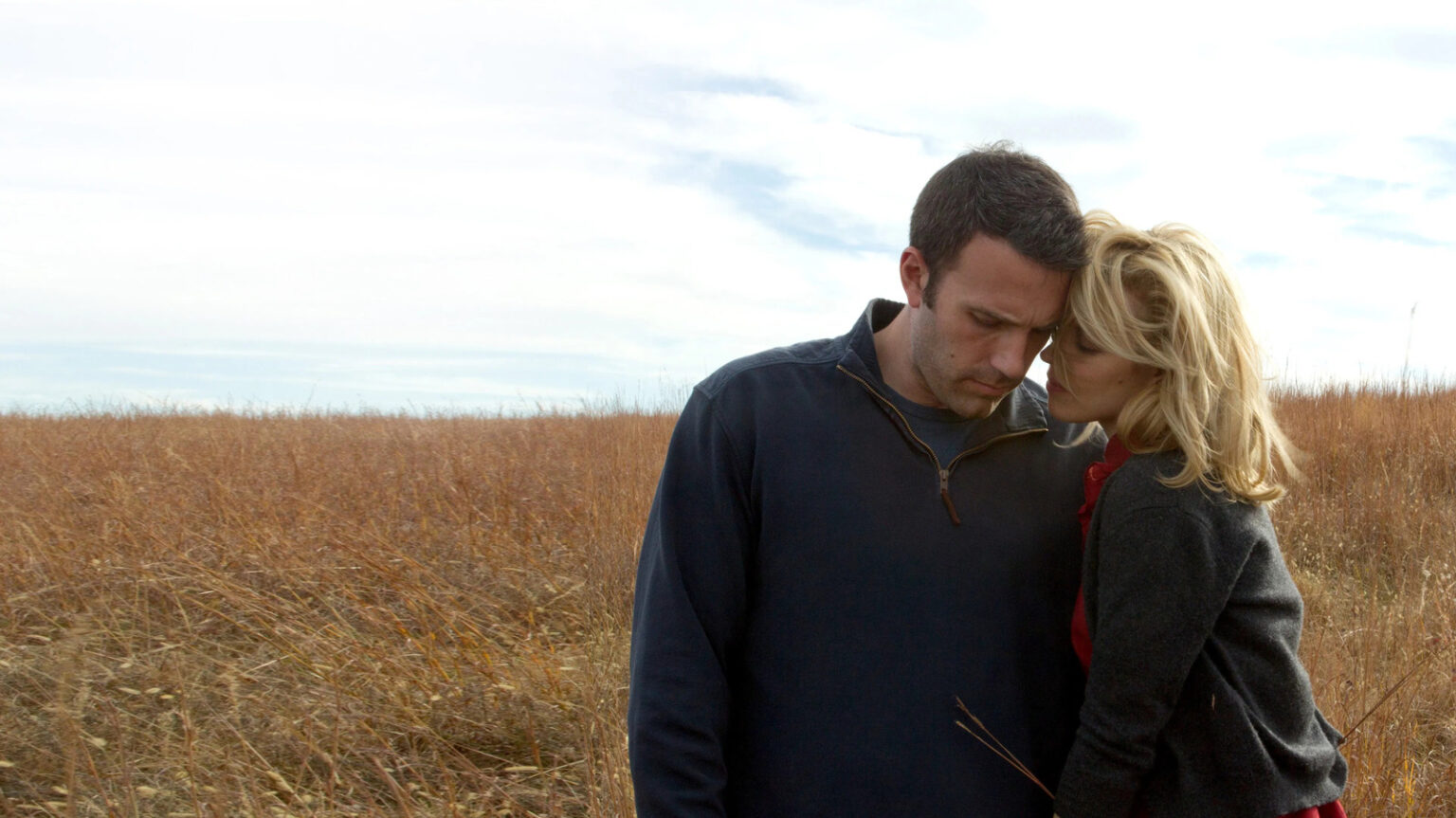
The last review that Ebert ever wrote, however, was more fitting for his legacy. Published posthumously on April 6, Ebert spoke very eloquently about Terrence Malick’s “To the Wonder,” giving it three-and-a-half stars.