
‘Touch of Evil’ (Orson Welles, 1958)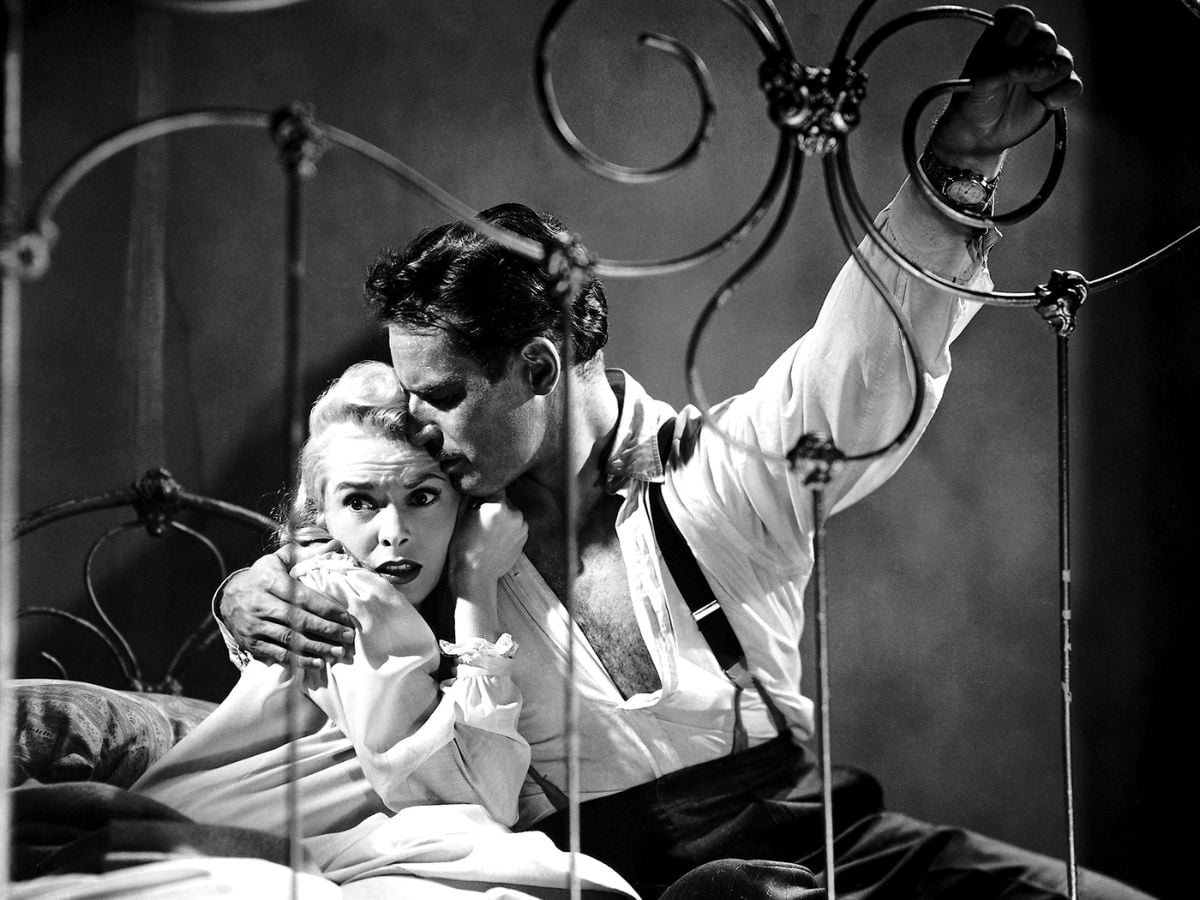
Orson Welles had tremendous expectations that he faced throughout his entire career because his directorial debut, Citizen Kane, is widely considered to be the greatest film of all time. However, this also meant he had countless unrealised projects he wasn’t able to get financing for, but he fought tooth and nail to make Touch of Evil, an absorbing crime drama that featured Charlton Heston.
Welles famously railed against the studio when it created edits that he felt had misinterpreted his original vision, and burned nearly every bridge in front of him as he fought for Touch of Evil to be seen in the way that he intended, which now stands as a timeless masterpiece that redefined what a noir film could be. It may have made him a lot of enemies, making it harder for him to do more work down the line, but it was well worth the fight.
‘Apocalypse Now’ (Francis Ford Coppola, 1978)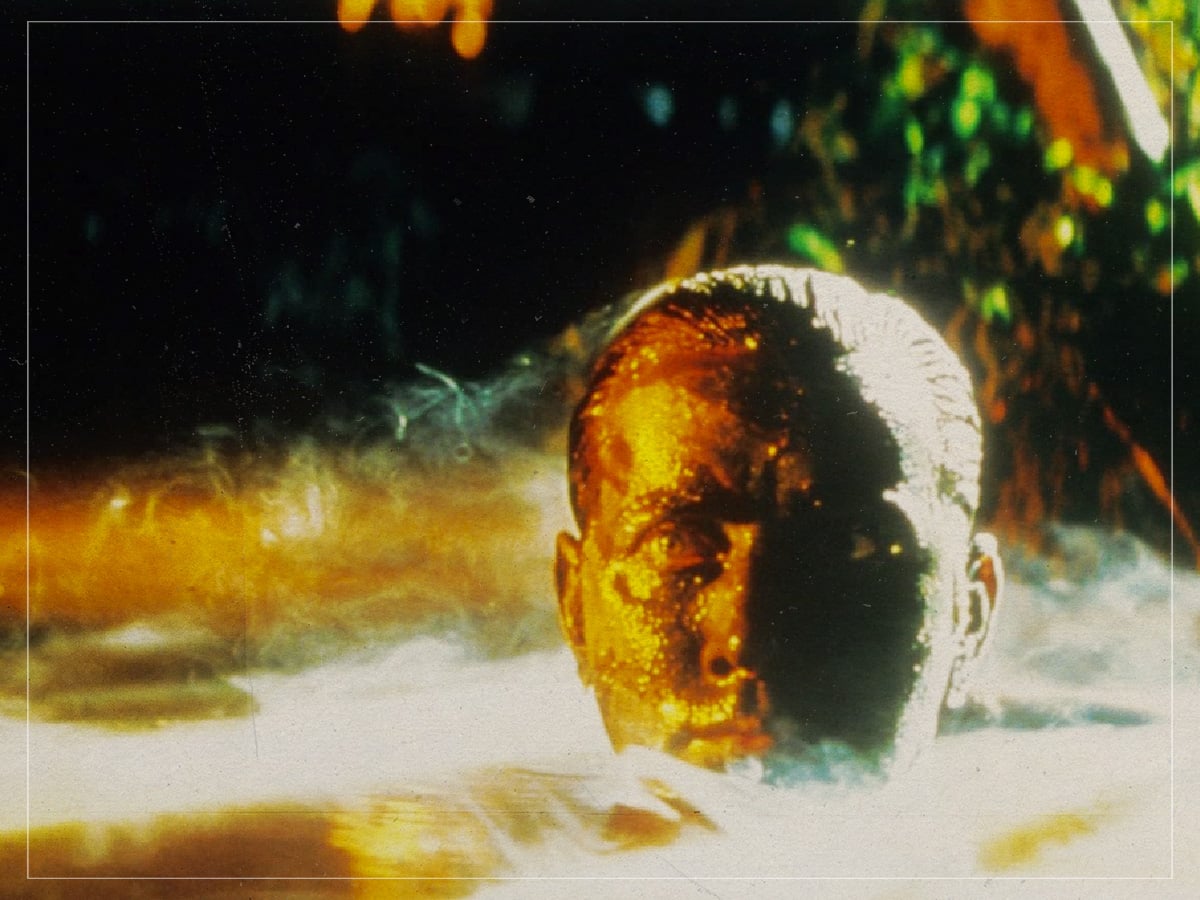
Francis Ford Coppola intended to make a film that would represent both Joseph Conrad’s Heart of Darkness and explore the sins of the Vietnam War, and for that he ventured into the jungle for a tumultuous production that featured a deadly storm that destroyed the set, disease and injuries for the crew, a near-fatal heart attack for Martin Sheen, several instances of collapsed funding, and a feud between Marlon Brando and Dennis Hopper that nearly ground production to a halt.
Coppola was perceived as a madman when he declared that making Apocalypse Now was his version of Vietnam service, but the film is an undeniable masterpiece that won the Palme d’Or at the Cannes Film Festival and was named by Roger Ebert as one of the ten greatest films of all time, making the hell that the cast and crew went through worthwhile.
‘Aguirre, the Wrath of God’ (Werner Herzog, 1977)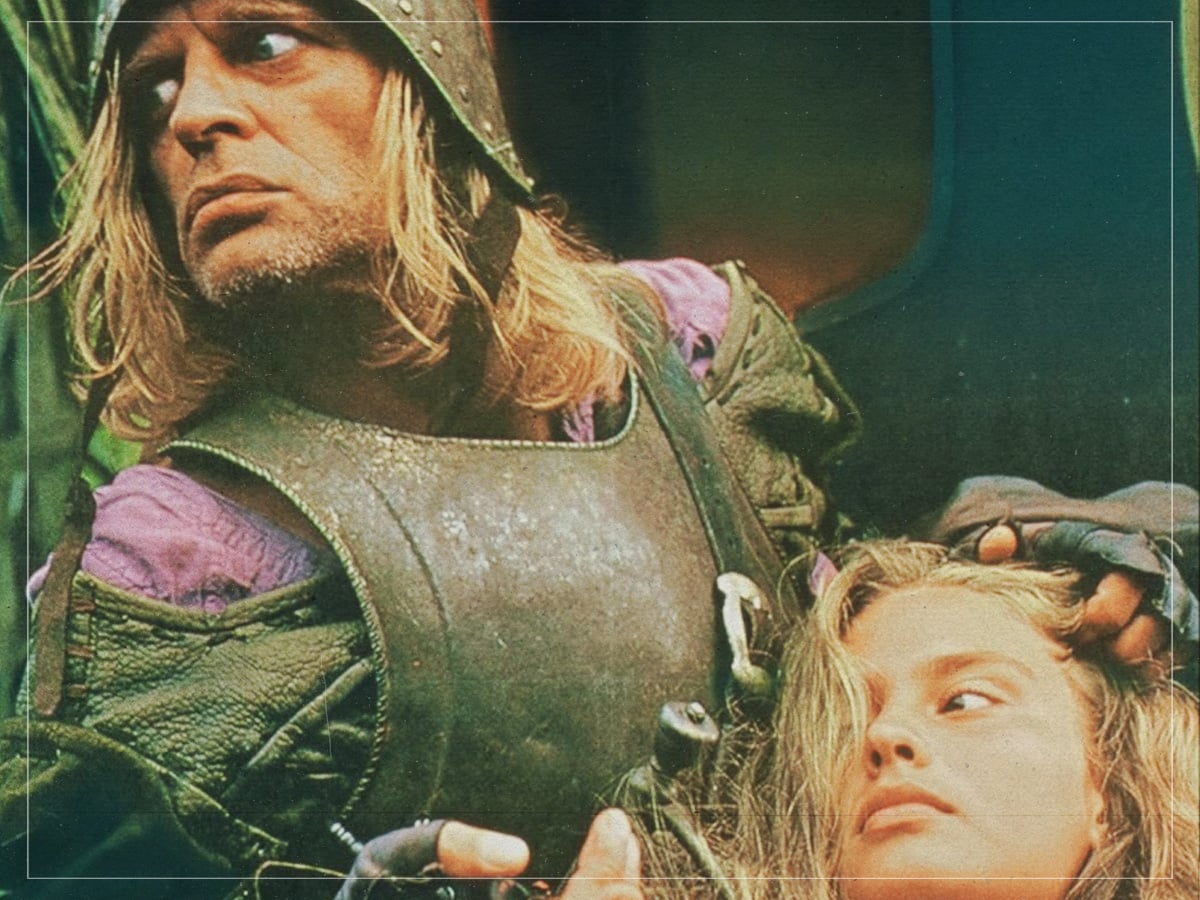
Werner Herzog had a very unusual relationship with the brilliant actor Klaus Kinski, as, although the pair undeniably brought the best out in one another, in the many projects they collaborated on, Kinski nearly killed Herzog during some of their pettiest feuds. The tension between the two reached its apex with the historical adventure film Aguirre, the Wrath of God, where, in order to realistically show how the Conquistadors settling in pre-Colonial America were out of their depths and overwhelmed by nature, Herzog shot in practically hazardous conditions, using a cinema verite approach that had his entire crew up in arms.
He was considered to be dangerous and perhaps sadistic for taking such an unorthodox approach, but Herzog created his ultimate masterpiece, as Aguirre, the Wrath of God is a period epic like no other that ranks among the greatest of the director’s career.
‘All That Jazz’ (Bob Fosse, 1979)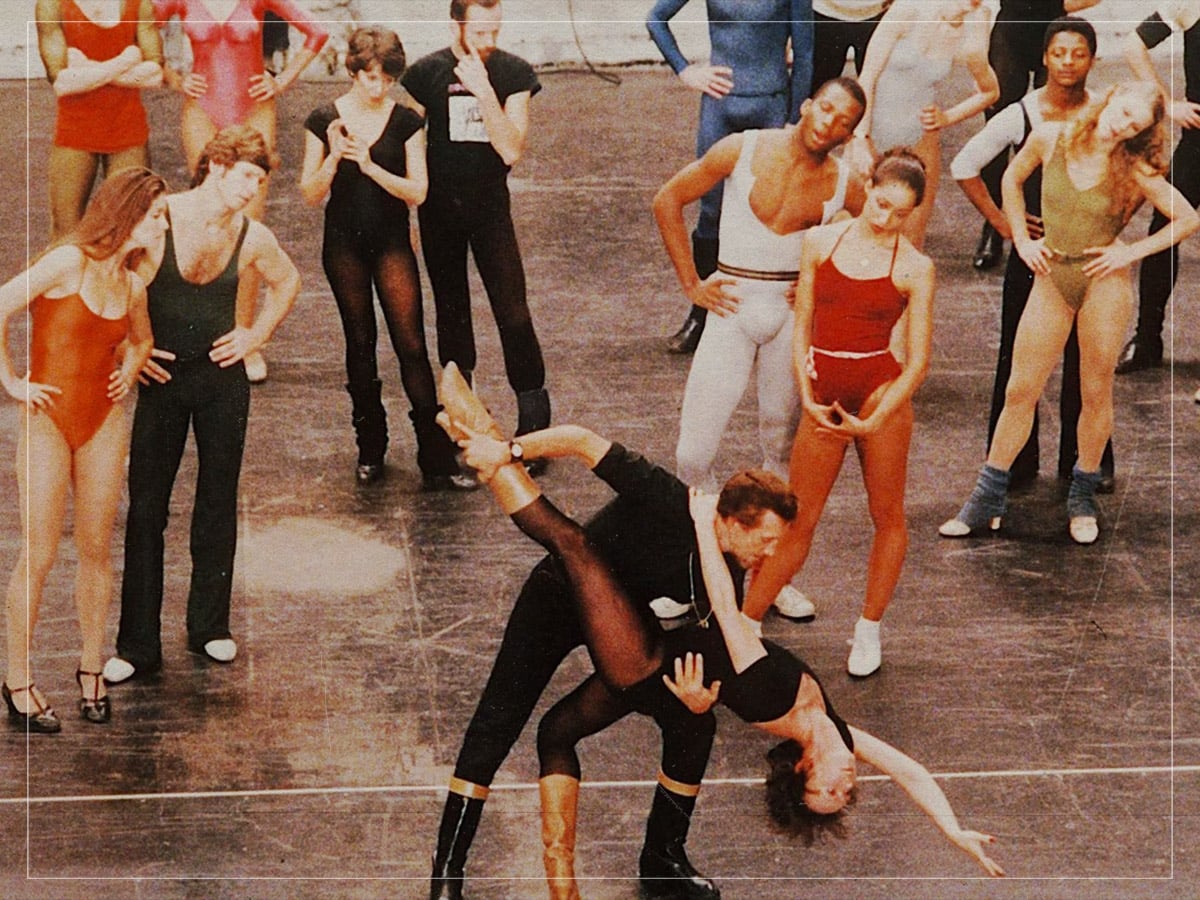
Bob Fosse was always renowned for being an egomaniac, but his pretension reached a fever pitch with All That Jazz, an experimental musical that was loosely based on his own life, which saw Roy Scheider cast as a fictionalised Broadway composer and choreographer (highly inspired by Fosse) who tries to balance his familial expectations, artistic desires, and personal stability as he verges towards his impending death with no shortage of trepidation.
The result is one of the most impressive uses of Broadway-style music and dancing ever witnessed on film, and one that spoke to Fosse’s most personal anxieties as his own life took a downward spiral. Considering that he died only a few years later after finishing his final film, the even more controversial Star 80, All That Jazz felt like a self-imposed swan song from an artist who had one shot to open his heart to the world.
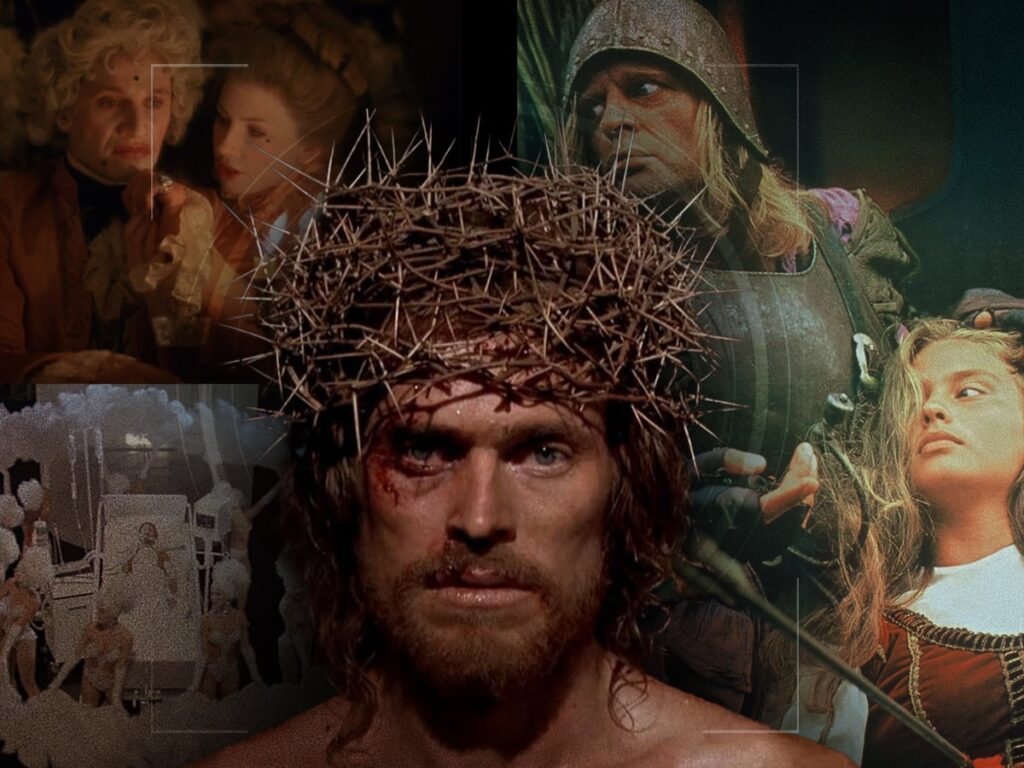
‘The Last Temptation of Christ’ (Martin Scorsese, 1988)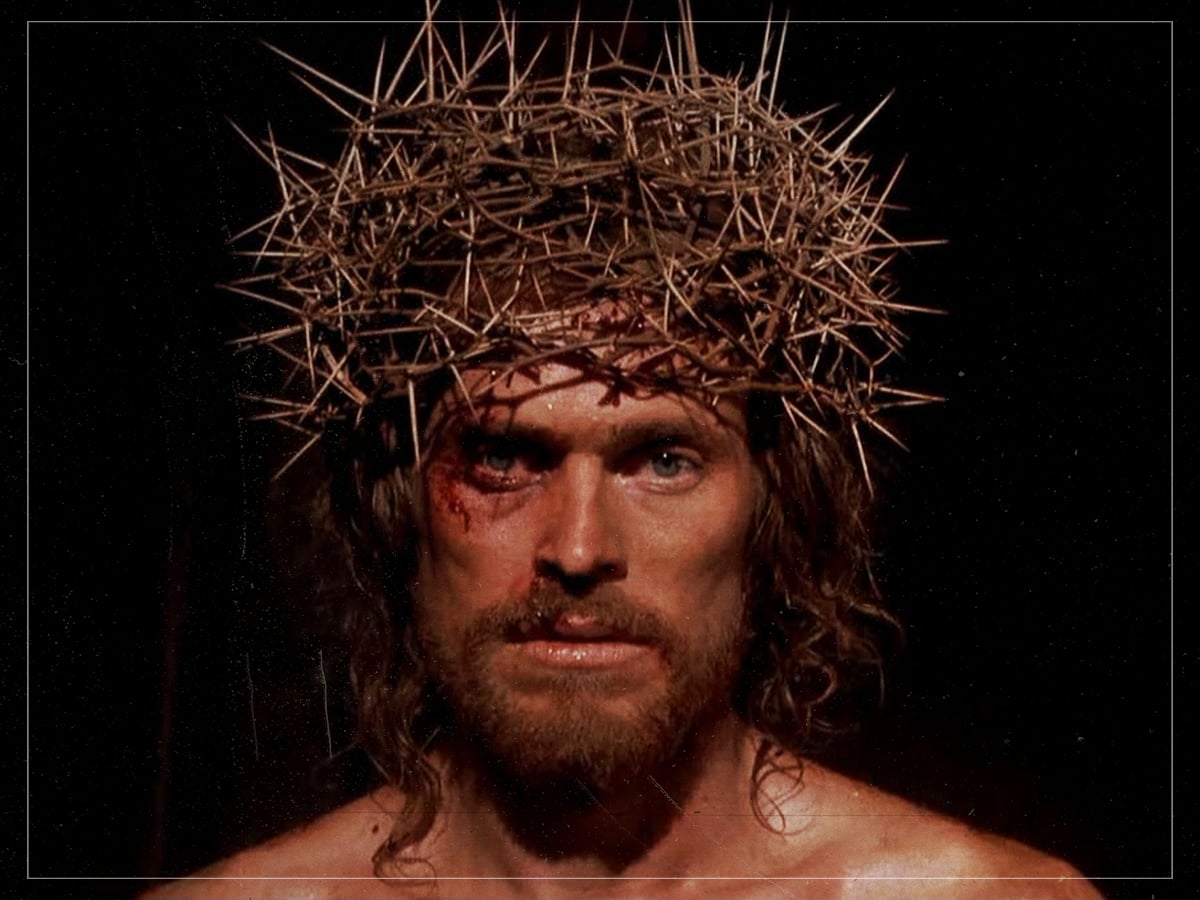
Martin Scorsese is known for incorporating elements of his Catholic faith into nearly all of his films, but his greatest ambition was to tell the story of Jesus of Nazareth on his own terms, so he choose to draw from the polarising novel The Last Temptation of Christ and take a creative approach to exploring the journey taken on by Jesus, played by Willem Dafoe, as he is tempted by the possibility of a human life when lost in the desert.
To take such a personal approach to a story that is relevant to millions was always going to be controversial, and The Last Temptation of Christ even required Scorsese to get the protection of the FBI in order to avoid death threats, but it is also one of his most profound films and stands as one of the few Christian films that actually engaged with the themes of the Bible.
‘Sorcerer’ (William Friedkin, 1977)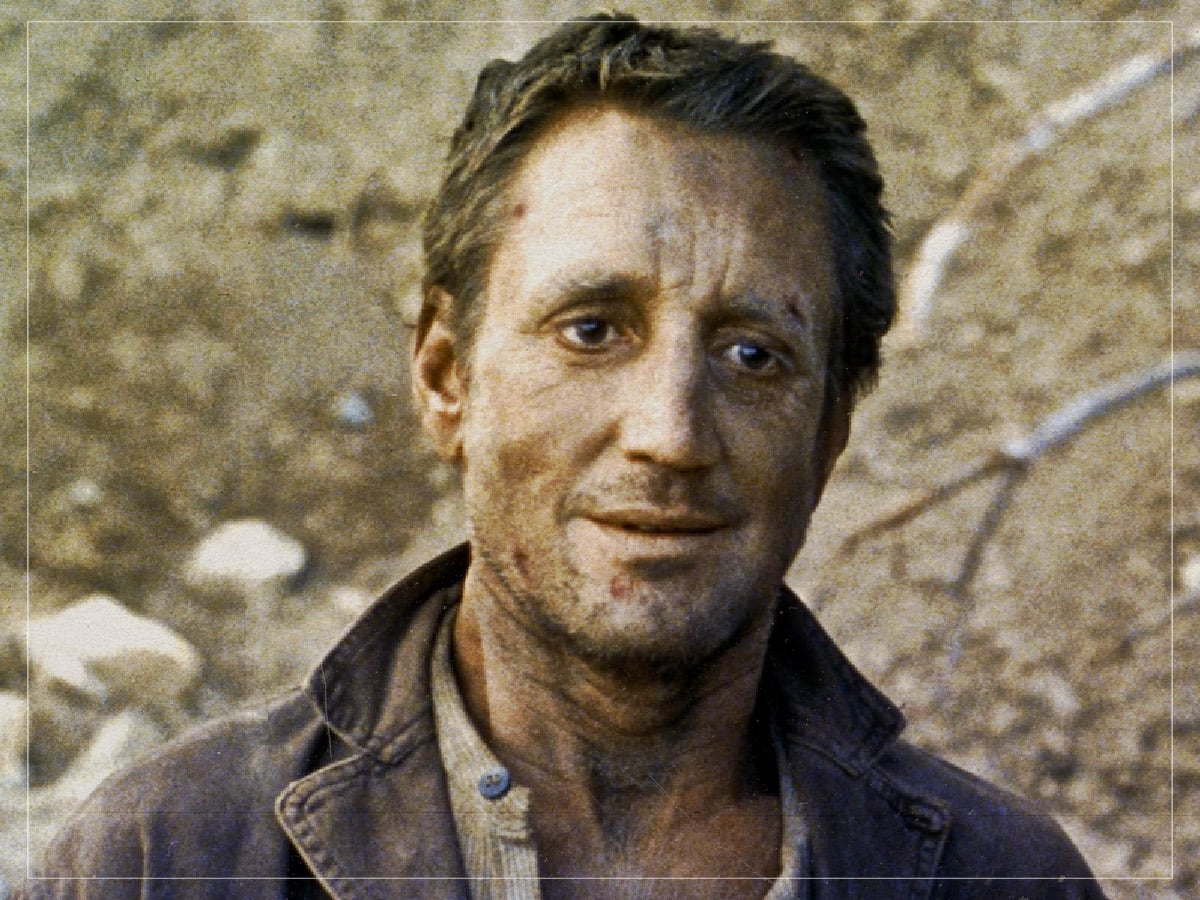
William Friedkin has always been a director who risked it all in order to execute his vision, but that attitude was never more dangerous than it was during the production of the 1977 action thriller Sorcerer. Loosely based on the French classic The Wages of Fear, the film sent Friedkin and his crew deep within the South American jungle to film a sequence on a rickety bridge; through his connections to the mob, he was able to shoot without safety precautions or the necessary permits, putting all of his crew in danger.
While at the time it wasn’t seen as being a massive success on the level of The Exorcist or The French Connection, Sorcerer is now viewed more fondly as being perhaps the defining achievement of Friedkin’s career, as it is certainly not a film that could ever have been made today.
‘The Fabelmans’ (Steven Spielberg, 2022)
Steven Spielberg has dedicated much of his career to telling the stories of history’s ‘great men’, such as Abraham Lincoln, Oskar Schindler, Ben Bradlee, and John Quincy Adams, so it seemed a bit presumptuous for him to make a film inspired by his own life, which saw him cast Gabriel LaBelle to play a fictionalised version of himself when he went through his parents’ divorce and discovered his love of filmmaking.
Spielberg was willing to be highly vulnerable by showing how his parents’ infidelity caused him to spend a lifetime making films about lost children, and he explored how filmmaking itself became a tool for him to heal when he was never going to go to traditional therapy, rendering, what could have been a tale of narcissism into one of the greatest coming-of-age story imbued with his personal experiences and anxieties.
‘The African Queen’ (John Huston, 1951)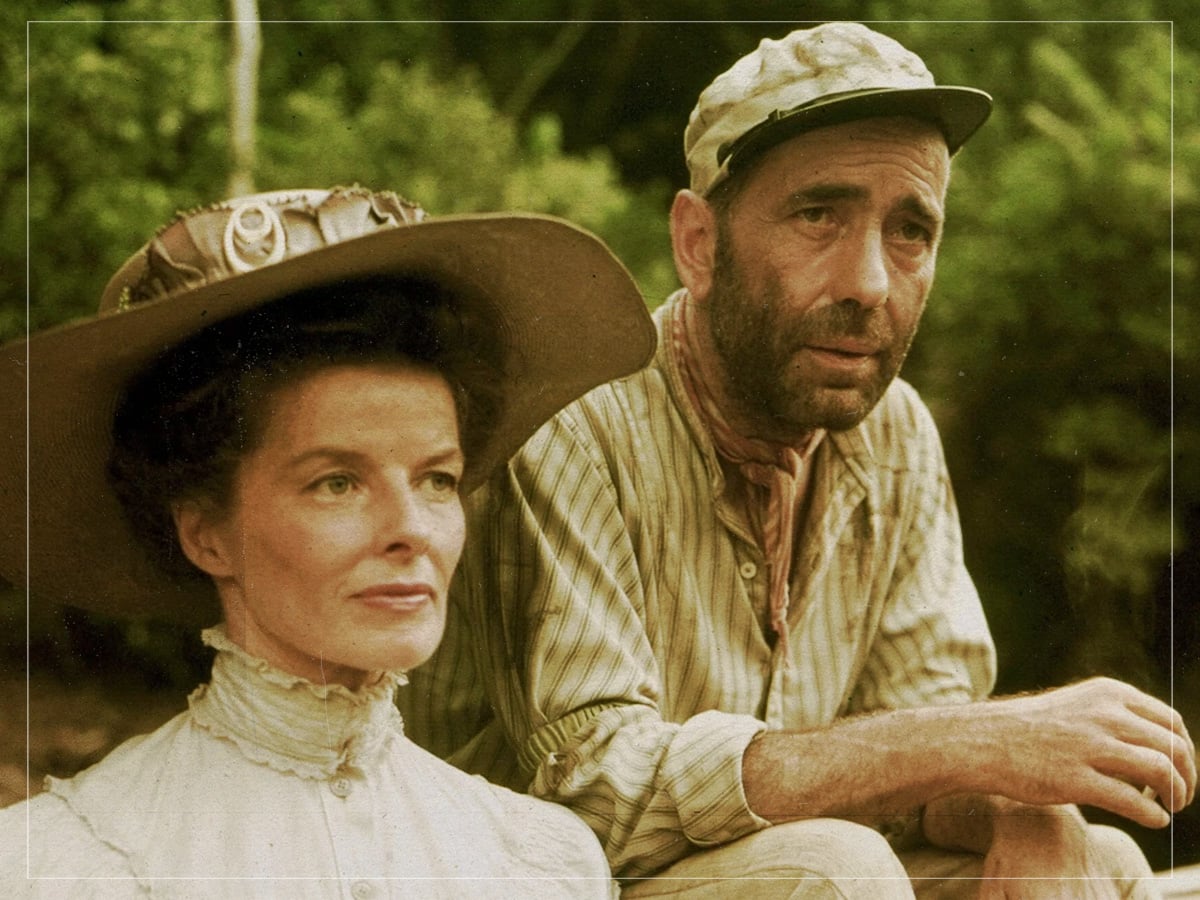
John Huston had spent a lifetime in the movies, as he was already a respected actor by the time he started making great adventure epics like The Treasure of the Sierra Madre, but he faced a series of financial setbacks, creative disputes, and literal hazards when he took Humphrey Bogart and Katherine Hepburn into the jungle to make The African Queen, a timeless crowd pleaser that somehow managed to have one of the most gruelling productions ever.
The tales of how Huston had lost his mind while making a masterpiece became legendary in the industry, which even led Clint Eastwood to direct a film called White Hunter, Black Heart in 1990, where he played a similarly ambitious director (modelled after Huston) who begins to burn bridges when he takes his crew to the jungle for a production that spirals out of control.
‘Barry Lyndon’ (Stanley Kubrick, 1975)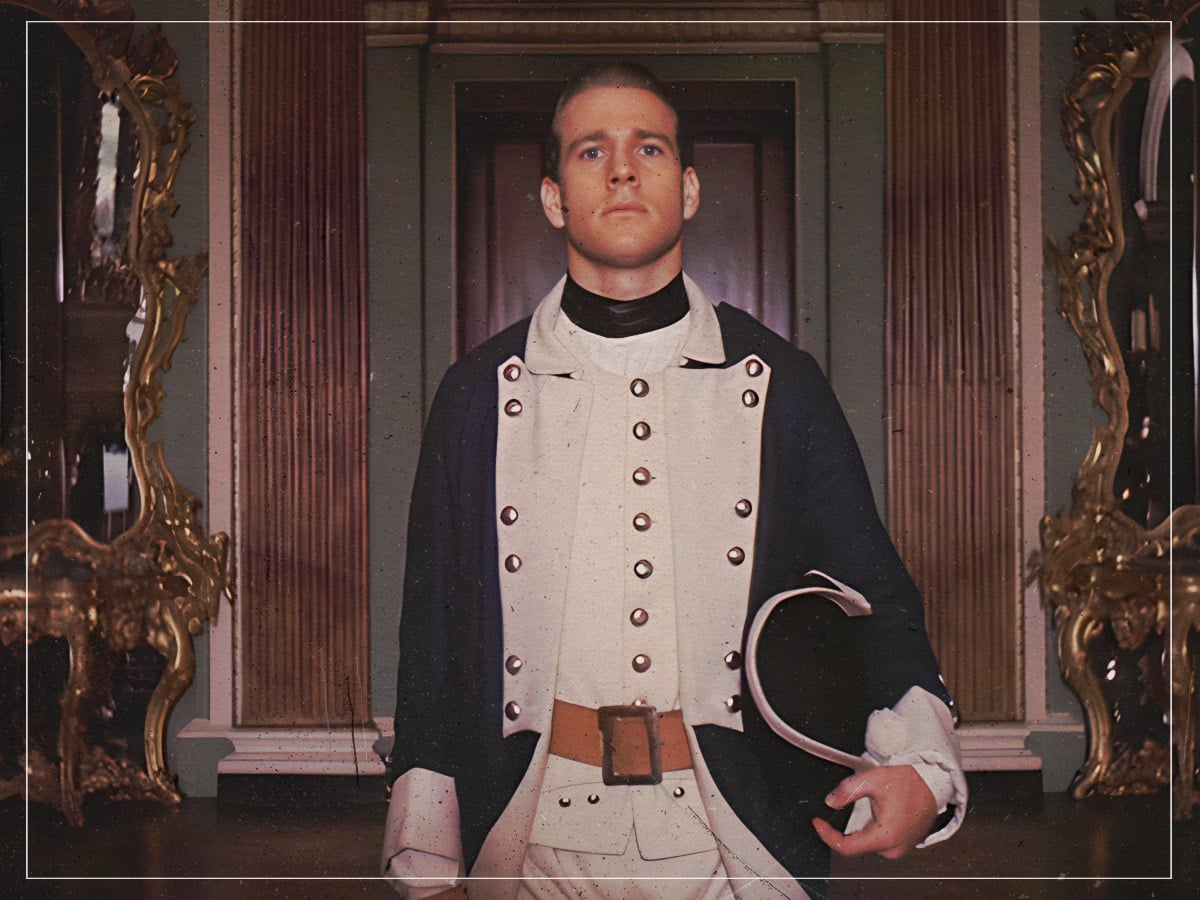
Stanley Kubrick has always been known for having an exacting vision, which often made his productions quite challenging, but what he pulled when making the historical war epic Barry Lyndon was unprecedented. He used natural light to create the ultimate cinematic painting, and dragged his crew along through a grating, eight-month shoot in which he demanded utmost historical accuracy.
Barry Lyndon was a film that embodied the best of what the historical epic genre could be, yet also spat in its face because the titular character was a nasty, chauvinistic narcissist played by Ryan O’Neal, who played a character not unlike himself in real life. Kubrick may have feared for his life making it, but the film has been even more favourably remembered in the years after his death as being one of cinema’s greatest character studies.
‘Southland Tales’ (Richard Kelly, 2006)
Richard Kelly hit such a home run with his debut film Donnie Darko that there was a tremendous amount of anticipation about what he would do next. Overwhelmed by the post-9/11 era, in which he saw political polarisation and media sensationalism as core issues, Kelly decided to create a vast science fiction epic in Southland Tales, which managed to comment on nearly every hot button topic of the time.
Southland Tales was eviscerated when it debuted at the Cannes Film Festival, but Kelly still worked to polish a new cut for release and even wrote a series of comic book prequels that served as part of a multimedia campaign. While he was mocked at the time, and the film was written off as a disaster, Southland Tales has continued to grow a cult audience, especially since its satire has proven to be troublingly prescient in the Trump era.