
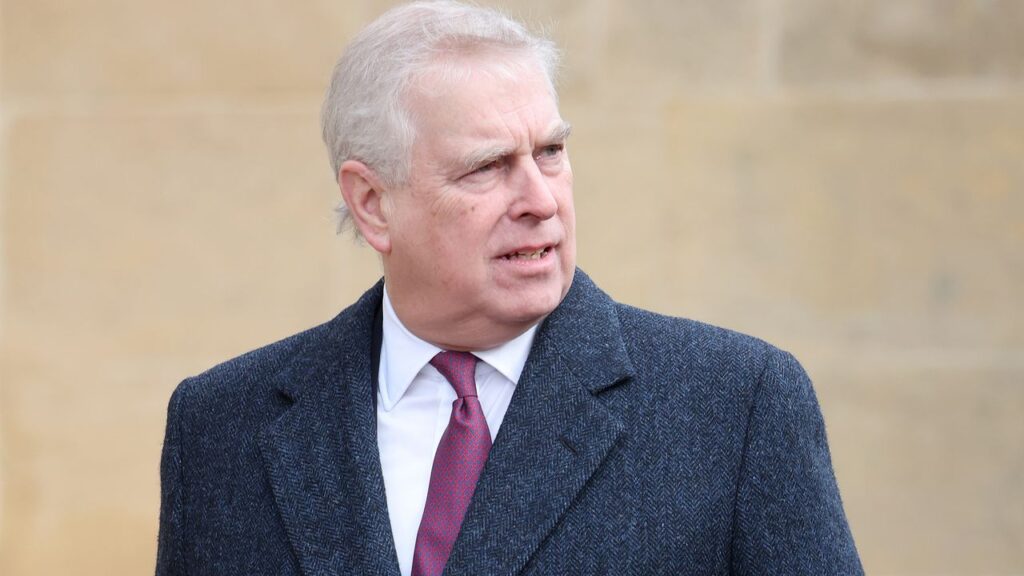
Andrew Mountbatten-Windsor’s arrest has sent shockwaves through the royal family. As the palace goes into damage control mode, questions are being raised about whether the monarchy will survive this latest crisis.
“It is, without doubt, the biggest crisis since the abdication of Edward VIII in 1936 and could potentially have a more destabilizing effect on the monarchy than was the case when Edward gave up the throne for Wallis Simpson 90 years ago,” royals historian Ed Owens recently told Vanity Fair.
Following Mountbatten-Windsor’s arrest last week on suspicion of misconduct in public office, there are growing calls for him to be removed from the line of succession. Mountbatten-Windsor has consistently denied any wrongdoing and has been released under investigation since his arrest. On Monday, Darren Jones, British prime minister Keir Starmer’s chief secretary, told lawmakers, “The government is clear that we are not ruling out action in respect of the line of succession at this stage, and we will consider whether any further steps are required in due course.” Mountbatten-Windsor, who was stripped of his style, titles, and honors by his brother King Charles in October, is currently eighth in line to the throne.
Furthermore, according to a new poll from market research company Ipsos, support for the monarchy is on the decline. Eighty-two percent of Britons have an unfavorable opinion of Andrew, per the survey results, and 39% of Gen Z think it would be better for Britain if the monarchy were abolished.
In a conversation with Vanity Fair, Owens, author of After Elizabeth: Can the Monarchy Save Itself?, dissects how the Mountbatten-Windsor scandal has impacted the royal family and what the monarchy needs to do in order to survive.
Vanity Fair: How can it be a greater crisis than the abdication of Edward VIII?
Ed Owens: There are two reasons why this crisis could potentially be more destabilizing for the monarchy than the abdication. First of all, back in 1936, the monarchy commanded huge nationwide support, even after King Edward VIII was replaced by his younger brother, the lesser-known and much less popular King George VI. It took the monarchy more than a decade to fully restore its reputation after the abdication, but, as I say, support for constitutional monarchy was enduring.
The problem in 2026 is that public support for the monarchy is at an all-time low: Opinion poll after opinion poll demonstrates growing public disaffection with the monarchy as well as increasing ambivalence, particularly among younger generations. There simply isn’t the support for the idea of a crowned head of state that there was even a decade ago. The six-and-a-half-year Andrew saga partly explains this fall in public support, and the longer it goes on, the more damaging it will be for the institution.